
Painting Les décombres de l'Hôtel de Ville après l'incendie de 1871 - Jules Richomme | Art print


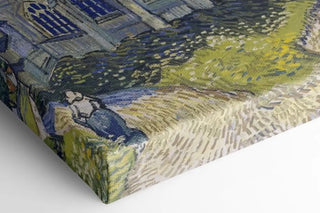
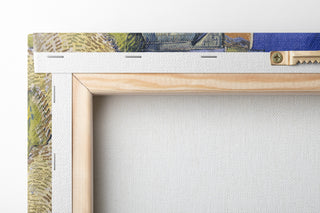
View from behind
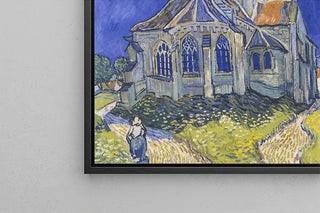
Frame (optional)
The artwork "Les décombres de l'Hôtel de Ville après l'incendie de 1871" by Jules Richomme is a poignant testament to the tragedy that struck Paris during the Commune. By capturing the desolation of an iconic building, Richomme immerses us in an atmosphere that is both melancholic and rich in history. This painting does not merely depict ruins; it also evokes the collective memory of a tumultuous era, where art becomes a vehicle for reflection on loss and resilience. The scene portrayed, imbued with despair, is also an invitation to contemplate the beauty that can emerge from the ashes of the past.
Style and uniqueness of the artwork
Richomme's style is distinguished by a realistic approach that transcends mere visual documentation. His technique, blending precision of details with expressiveness of colors, offers a complete immersion into the devastated landscape of the Hôtel de Ville. The dark shades and cast shadows enhance the depth of the composition, while subtle lighting reveals the textures of the debris. Every element of the piece, from the rubble to the silhouettes of neighboring buildings, is carefully orchestrated to create a lively tableau, guiding the viewer through an emotional journey. Richomme succeeds in capturing not only the physical state of the scene but also the soul of a city in despair, making this artwork a true masterpiece of emotion and reflection.
The artist and his influence
Jules Richomme, a French painter of the 19th century, established himself in the artistic landscape of his time thanks to his unique sensitivity and commitment to historical events. Trained in a context where art was often used as a means of propaganda or glorification, Richomme chose to focus on a more authentic representation of reality, bearing witness to the suffering and struggles of his era. His work is marked by a desire to document social and political transformations, making him a pioneer in the art of depicting scenes of daily life and historical crises.
Painting Les décombres de l'Hôtel de Ville après l'incendie de 1871 - Jules Richomme | Art print

-10% FROM €95 IN PURCHASES
-15% FROM €195 IN PURCHASES
Regular price
- Unit price
- per
Tax included.
Free shipping
€4.90 / Free shipping on orders over €39
Satisfied or Money Back
Free returns within 30 days
10-year warranty
Our prints are guaranteed for 10 years
Any questions? We are here!
by email to contact@artemlegrand.com
THE STEPS OF YOUR ORDER

STEP 1 - ORDER PLACED
Your order has been confirmed and we are starting production
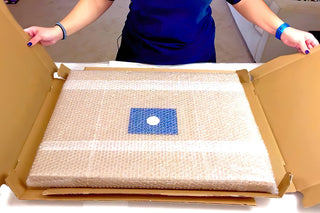
STEP 2 - SHIPPING
We ship your order. We send you an email to track the progress

STEP 3 - DELIVERY
You receive your order. You can also, according to your choice, be delivered to a relay point.
Matte finish
View from behind
Frame (optional)
The artwork "Les décombres de l'Hôtel de Ville après l'incendie de 1871" by Jules Richomme is a poignant testament to the tragedy that struck Paris during the Commune. By capturing the desolation of an iconic building, Richomme immerses us in an atmosphere that is both melancholic and rich in history. This painting does not merely depict ruins; it also evokes the collective memory of a tumultuous era, where art becomes a vehicle for reflection on loss and resilience. The scene portrayed, imbued with despair, is also an invitation to contemplate the beauty that can emerge from the ashes of the past.
Style and uniqueness of the artwork
Richomme's style is distinguished by a realistic approach that transcends mere visual documentation. His technique, blending precision of details with expressiveness of colors, offers a complete immersion into the devastated landscape of the Hôtel de Ville. The dark shades and cast shadows enhance the depth of the composition, while subtle lighting reveals the textures of the debris. Every element of the piece, from the rubble to the silhouettes of neighboring buildings, is carefully orchestrated to create a lively tableau, guiding the viewer through an emotional journey. Richomme succeeds in capturing not only the physical state of the scene but also the soul of a city in despair, making this artwork a true masterpiece of emotion and reflection.
The artist and his influence
Jules Richomme, a French painter of the 19th century, established himself in the artistic landscape of his time thanks to his unique sensitivity and commitment to historical events. Trained in a context where art was often used as a means of propaganda or glorification, Richomme chose to focus on a more authentic representation of reality, bearing witness to the suffering and struggles of his era. His work is marked by a desire to document social and political transformations, making him a pioneer in the art of depicting scenes of daily life and historical crises.
12,34 €