
Art print Les Rhododendrons du Sikkim-Himalaya Pl26 - Walter Hood Fitch


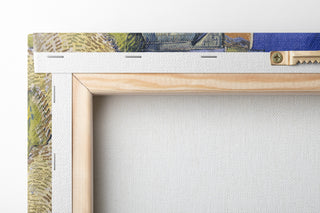
View from behind
Frame (optional)
In the enchanting world of botanical art, "Les Rhododendrons du Sikkim-Himalaya Pl26" by Walter Hood Fitch stands out for its dazzling beauty and meticulous attention to detail. This piece, which captures the magnificence of rhododendrons in their natural habitat, evokes a sensory journey through the lush landscapes of Sikkim. Immersing oneself in this artwork, the viewer is transported to the heart of the Himalayan mountains, where nature expresses itself in all its splendor. Fitch, through his talent, manages to immortalize not only the shape and color of these majestic flowers but also the very essence of their environment, offering a true celebration of flora.
Style and uniqueness of the work
Walter Hood Fitch's style is characterized by remarkable precision and a scientific approach to botanical representation. In "Les Rhododendrons du Sikkim-Himalaya Pl26," each petal, each leaf is depicted with fidelity that reflects careful observation. The vibrant nuances of colors, ranging from delicate pinks to deep greens, create a striking contrast that immediately captures the eye. Fitch does not merely reproduce the external beauty of the flowers; he also captures their unique character, texture, and luminosity. This artwork stands out for its ability to blend art and science, uniting aesthetics with botanical rigor that has made the artist renowned. This harmonious marriage of precision and beauty gives the piece an almost living dimension, allowing the viewer to imagine the fragrances and sensations of a lush garden.
The artist and his influence
Walter Hood Fitch, born in 1817, is often regarded as one of the great masters of botanical illustration. His career, which began at a time when science and art closely intertwined, was marked by a commitment to faithful representation of plant species. Fitch collaborated with many renowned botanists and contributed to numerous scientific publications, which strengthened his status in the world of botanical art. His influence is felt not only through his works but also by his role in the
Art print Les Rhododendrons du Sikkim-Himalaya Pl26 - Walter Hood Fitch

-10% FROM €95 IN PURCHASES
-15% FROM €195 IN PURCHASES
Regular price
- Unit price
- per
Tax included.
Free shipping
€4.90 / Free shipping on orders over €39
Satisfied or Money Back
Free returns within 30 days
10-year warranty
Our prints are guaranteed for 10 years
Any questions? We are here!
by email to contact@artemlegrand.com
THE STEPS OF YOUR ORDER

STEP 1 - ORDER PLACED
Your order has been confirmed and we are starting production

STEP 2 - SHIPPING
We ship your order. We send you an email to track the progress

STEP 3 - DELIVERY
You receive your order. You can also, according to your choice, be delivered to a relay point.
Matte finish
View from behind
Frame (optional)
In the enchanting world of botanical art, "Les Rhododendrons du Sikkim-Himalaya Pl26" by Walter Hood Fitch stands out for its dazzling beauty and meticulous attention to detail. This piece, which captures the magnificence of rhododendrons in their natural habitat, evokes a sensory journey through the lush landscapes of Sikkim. Immersing oneself in this artwork, the viewer is transported to the heart of the Himalayan mountains, where nature expresses itself in all its splendor. Fitch, through his talent, manages to immortalize not only the shape and color of these majestic flowers but also the very essence of their environment, offering a true celebration of flora.
Style and uniqueness of the work
Walter Hood Fitch's style is characterized by remarkable precision and a scientific approach to botanical representation. In "Les Rhododendrons du Sikkim-Himalaya Pl26," each petal, each leaf is depicted with fidelity that reflects careful observation. The vibrant nuances of colors, ranging from delicate pinks to deep greens, create a striking contrast that immediately captures the eye. Fitch does not merely reproduce the external beauty of the flowers; he also captures their unique character, texture, and luminosity. This artwork stands out for its ability to blend art and science, uniting aesthetics with botanical rigor that has made the artist renowned. This harmonious marriage of precision and beauty gives the piece an almost living dimension, allowing the viewer to imagine the fragrances and sensations of a lush garden.
The artist and his influence
Walter Hood Fitch, born in 1817, is often regarded as one of the great masters of botanical illustration. His career, which began at a time when science and art closely intertwined, was marked by a commitment to faithful representation of plant species. Fitch collaborated with many renowned botanists and contributed to numerous scientific publications, which strengthened his status in the world of botanical art. His influence is felt not only through his works but also by his role in the
12,34 €