
Painting The Reader - James Tissot | Art print Source: Tableau La liseuse - James Tissot | Reproduction


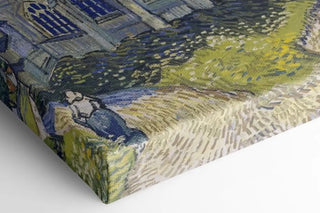
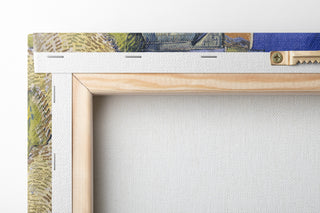
View from behind
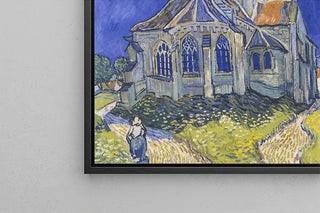
Frame (optional)
In the world of art, some works transcend their era to become symbols of a particular sensibility. "The Reader" by James Tissot is one of those creations that capture the essence of a moment, an emotion, an atmosphere. This piece, painted at the end of the 19th century, evokes the delicacy of a woman immersed in reading, subtly illustrating the connection between intellect and beauty. The viewer is immediately drawn to the serenity emanating from this scene, where time seems to stand still, and where every detail, from the book to the protagonist's clothing, tells a story. Tissot, with his keen sense of observation and talent for visual storytelling, manages to turn this simple activity into a true visual poem.
Style and uniqueness of the work
Tissot's style is distinguished by meticulous attention to detail and a refined color palette. In "The Reader," shades of blue and pink create a visual harmony that envelops the viewer. The soft light illuminating the female figure enhances the tranquility of the moment, while the delicate patterns of the reader's clothing add a layer of sophistication. The composition is carefully orchestrated, with each element in its place to reinforce the idea of contemplation. The woman's gaze, focused on her book, invites the viewer to share this intimate moment, to ponder the content of her mind. This painting does not merely depict a scene; it evokes emotions, thoughts, and dreams, making the visual experience deeply immersive.
The artist and his influence
James Tissot, a French-born artist, established himself on the 19th-century art scene thanks to his unique style and ability to capture the spirit of his time. Influenced by the Impressionist movement while remaining faithful to more academic techniques, Tissot navigated between tradition and modernity. His work is marked by an interest in everyday life, bourgeois customs, and human relationships. "The Reader" is emblematic of this approach, bearing witness to an attentive gaze on female psychology and the role of women in
Painting The Reader - James Tissot | Art print Source: Tableau La liseuse - James Tissot | Reproduction

-10% FROM €95 IN PURCHASES
-15% FROM €195 IN PURCHASES
Regular price
- Unit price
- per
Tax included.
Free shipping
€4.90 / Free shipping on orders over €39
Satisfied or Money Back
Free returns within 30 days
10-year warranty
Our prints are guaranteed for 10 years
Any questions? We are here!
by email to contact@artemlegrand.com
THE STEPS OF YOUR ORDER

STEP 1 - ORDER PLACED
Your order has been confirmed and we are starting production
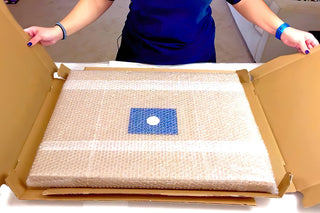
STEP 2 - SHIPPING
We ship your order. We send you an email to track the progress

STEP 3 - DELIVERY
You receive your order. You can also, according to your choice, be delivered to a relay point.
Matte finish
View from behind
Frame (optional)
In the world of art, some works transcend their era to become symbols of a particular sensibility. "The Reader" by James Tissot is one of those creations that capture the essence of a moment, an emotion, an atmosphere. This piece, painted at the end of the 19th century, evokes the delicacy of a woman immersed in reading, subtly illustrating the connection between intellect and beauty. The viewer is immediately drawn to the serenity emanating from this scene, where time seems to stand still, and where every detail, from the book to the protagonist's clothing, tells a story. Tissot, with his keen sense of observation and talent for visual storytelling, manages to turn this simple activity into a true visual poem.
Style and uniqueness of the work
Tissot's style is distinguished by meticulous attention to detail and a refined color palette. In "The Reader," shades of blue and pink create a visual harmony that envelops the viewer. The soft light illuminating the female figure enhances the tranquility of the moment, while the delicate patterns of the reader's clothing add a layer of sophistication. The composition is carefully orchestrated, with each element in its place to reinforce the idea of contemplation. The woman's gaze, focused on her book, invites the viewer to share this intimate moment, to ponder the content of her mind. This painting does not merely depict a scene; it evokes emotions, thoughts, and dreams, making the visual experience deeply immersive.
The artist and his influence
James Tissot, a French-born artist, established himself on the 19th-century art scene thanks to his unique style and ability to capture the spirit of his time. Influenced by the Impressionist movement while remaining faithful to more academic techniques, Tissot navigated between tradition and modernity. His work is marked by an interest in everyday life, bourgeois customs, and human relationships. "The Reader" is emblematic of this approach, bearing witness to an attentive gaze on female psychology and the role of women in
12,34 €