
Painting The Postal Chariot in Winter - Samuel Henry Alken | Art print


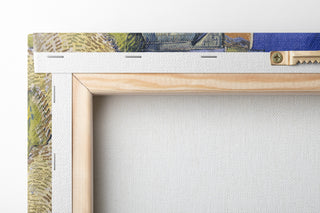
View from behind
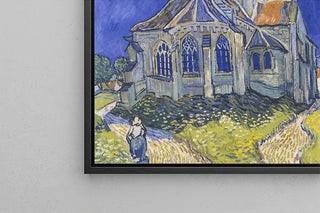
Frame (optional)
In the fascinating world of 19th-century British art, the art print "The Winter Mail Coach" by Samuel Henry Alken stands out for its lively and evocative depiction of snowy landscapes. This canvas, capturing the essence of winter travel, immerses us in a scene that is both nostalgic and dynamic. The magic of winter, with its gently falling snowflakes, creates an atmosphere of calm and serenity, while also evoking the rigors of transportation conditions of the time. Beyond a simple representation, Alken succeeds in conveying a palpable emotion, inviting the viewer to imagine themselves in an era where travel was an adventure in itself.
Style and uniqueness of the work
Samuel Henry Alken's style is characterized by meticulous attention to detail and a remarkable mastery of light and shadow. In "The Winter Mail Coach," every element, from the horses to the passengers, is rendered with precision that reflects the artist's careful observation. The cold hues of winter, combined with touches of warmth emanating from the characters, create a striking contrast that draws the eye. The movements of the horses, both powerful and graceful, evoke a sense of determination in the face of nature's harshness. Alken, a true visual storyteller, manages to capture the essence of everyday life while elevating it with a poetic dimension. This painting does not merely depict a scene; it tells a story, that of a journey through an enchanting landscape where time seems to stand still.
The artist and his influence
Samuel Henry Alken, born in 1810, is recognized not only for his talents as a painter but also for his role as a lithographer and illustrator. Coming from an artistic family, he developed a unique style that combines realism and romanticism, influenced by the great artistic traditions of his era. Alken captured the beauty of British landscapes while incorporating narrative elements that make his works accessible and captivating. His interest in transportation and scenes of daily life places him at the heart of an artistic movement that values lived experience and
Painting The Postal Chariot in Winter - Samuel Henry Alken | Art print

-10% FROM €95 IN PURCHASES
-15% FROM €195 IN PURCHASES
Regular price
- Unit price
- per
Tax included.
Free shipping
€4.90 / Free shipping on orders over €39
Satisfied or Money Back
Free returns within 30 days
10-year warranty
Our prints are guaranteed for 10 years
Any questions? We are here!
by email to contact@artemlegrand.com
THE STEPS OF YOUR ORDER

STEP 1 - ORDER PLACED
Your order has been confirmed and we are starting production
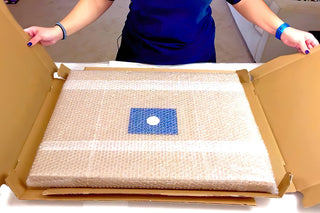
STEP 2 - SHIPPING
We ship your order. We send you an email to track the progress

STEP 3 - DELIVERY
You receive your order. You can also, according to your choice, be delivered to a relay point.
Matte finish
View from behind
Frame (optional)
In the fascinating world of 19th-century British art, the art print "The Winter Mail Coach" by Samuel Henry Alken stands out for its lively and evocative depiction of snowy landscapes. This canvas, capturing the essence of winter travel, immerses us in a scene that is both nostalgic and dynamic. The magic of winter, with its gently falling snowflakes, creates an atmosphere of calm and serenity, while also evoking the rigors of transportation conditions of the time. Beyond a simple representation, Alken succeeds in conveying a palpable emotion, inviting the viewer to imagine themselves in an era where travel was an adventure in itself.
Style and uniqueness of the work
Samuel Henry Alken's style is characterized by meticulous attention to detail and a remarkable mastery of light and shadow. In "The Winter Mail Coach," every element, from the horses to the passengers, is rendered with precision that reflects the artist's careful observation. The cold hues of winter, combined with touches of warmth emanating from the characters, create a striking contrast that draws the eye. The movements of the horses, both powerful and graceful, evoke a sense of determination in the face of nature's harshness. Alken, a true visual storyteller, manages to capture the essence of everyday life while elevating it with a poetic dimension. This painting does not merely depict a scene; it tells a story, that of a journey through an enchanting landscape where time seems to stand still.
The artist and his influence
Samuel Henry Alken, born in 1810, is recognized not only for his talents as a painter but also for his role as a lithographer and illustrator. Coming from an artistic family, he developed a unique style that combines realism and romanticism, influenced by the great artistic traditions of his era. Alken captured the beauty of British landscapes while incorporating narrative elements that make his works accessible and captivating. His interest in transportation and scenes of daily life places him at the heart of an artistic movement that values lived experience and
12,34 €