
Painting La pénitente Marie-Madeleine - Guido Cagnacci | Art print


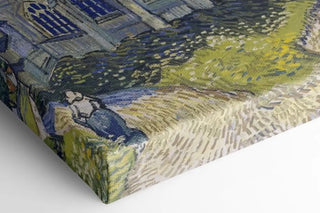
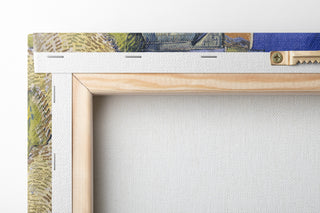
View from behind
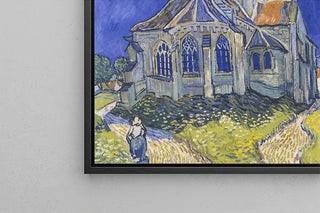
Frame (optional)
In the fascinating world of baroque art, Guido Cagnacci's artwork, "The Penitent Mary Magdalene," stands out for its emotional depth and technical virtuosity. This painting, which depicts an iconic figure of repentance, immerses us in a universe where light and shadow intertwine to reveal the complexity of the human soul. Through Mary Magdalene's intense gaze, Cagnacci manages to capture not only the physical beauty of his model but also a palpable spirituality, making this piece a true masterpiece of religious art. The portrayal of this woman, often seen as a repentant sinner, becomes a powerful symbol of redemption and grace.
Style and uniqueness of the artwork
The aesthetic of "The Penitent Mary Magdalene" is characterized by a striking chiaroscuro, typical of baroque style. Cagnacci uses light to emphasize the features of his model, creating a dramatic contrast that immediately draws the eye. The texture of the skin, rendered with remarkable precision, almost seems alive, while the drapery of her clothing adds a tactile dimension to the composition. Mary Magdalene's posture, both vulnerable and resilient, demonstrates an exceptional mastery of the human body, inviting the viewer to feel her inner torment. Furthermore, the warm, rich colors, typical of the period, nourish this atmosphere of passion and melancholy that envelops the work. Cagnacci does not hesitate to play with emotions, making each gaze and gesture charged with profound meaning.
The artist and his influence
Guido Cagnacci, born in Rimini in the 17th century, was an artist whose career was marked by a constant quest for beauty and expression. Trained in the traditions of Italian painting, he quickly developed a personal style that combines sensuality and spirituality. His work is often compared to that of Caravaggio, both for the use of chiaroscuro and for the way he handles religious themes. However, Cagnacci stands out for a unique sensitivity, highlighting the psychology of his
Painting La pénitente Marie-Madeleine - Guido Cagnacci | Art print

-10% FROM €95 IN PURCHASES
-15% FROM €195 IN PURCHASES
Regular price
- Unit price
- per
Tax included.
Free shipping
€4.90 / Free shipping on orders over €39
Satisfied or Money Back
Free returns within 30 days
10-year warranty
Our prints are guaranteed for 10 years
Any questions? We are here!
by email to contact@artemlegrand.com
THE STEPS OF YOUR ORDER

STEP 1 - ORDER PLACED
Your order has been confirmed and we are starting production
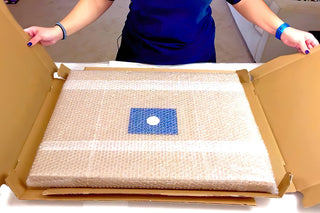
STEP 2 - SHIPPING
We ship your order. We send you an email to track the progress

STEP 3 - DELIVERY
You receive your order. You can also, according to your choice, be delivered to a relay point.
Matte finish
View from behind
Frame (optional)
In the fascinating world of baroque art, Guido Cagnacci's artwork, "The Penitent Mary Magdalene," stands out for its emotional depth and technical virtuosity. This painting, which depicts an iconic figure of repentance, immerses us in a universe where light and shadow intertwine to reveal the complexity of the human soul. Through Mary Magdalene's intense gaze, Cagnacci manages to capture not only the physical beauty of his model but also a palpable spirituality, making this piece a true masterpiece of religious art. The portrayal of this woman, often seen as a repentant sinner, becomes a powerful symbol of redemption and grace.
Style and uniqueness of the artwork
The aesthetic of "The Penitent Mary Magdalene" is characterized by a striking chiaroscuro, typical of baroque style. Cagnacci uses light to emphasize the features of his model, creating a dramatic contrast that immediately draws the eye. The texture of the skin, rendered with remarkable precision, almost seems alive, while the drapery of her clothing adds a tactile dimension to the composition. Mary Magdalene's posture, both vulnerable and resilient, demonstrates an exceptional mastery of the human body, inviting the viewer to feel her inner torment. Furthermore, the warm, rich colors, typical of the period, nourish this atmosphere of passion and melancholy that envelops the work. Cagnacci does not hesitate to play with emotions, making each gaze and gesture charged with profound meaning.
The artist and his influence
Guido Cagnacci, born in Rimini in the 17th century, was an artist whose career was marked by a constant quest for beauty and expression. Trained in the traditions of Italian painting, he quickly developed a personal style that combines sensuality and spirituality. His work is often compared to that of Caravaggio, both for the use of chiaroscuro and for the way he handles religious themes. However, Cagnacci stands out for a unique sensitivity, highlighting the psychology of his
12,34 €