
Art print The ford crossing - Jean-Baptiste Deshays | Art print


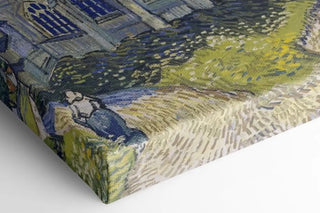
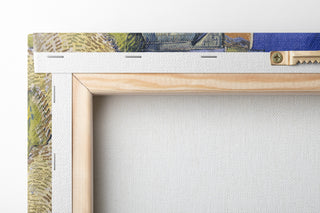
View from behind
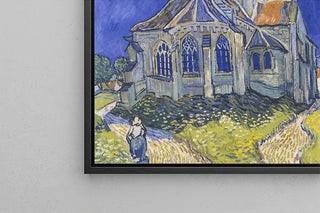
Frame (optional)
In the world of art, some works manage to capture the very essence of a moment, evoke emotions, and transport the viewer to a particular universe. "Le passage du gué" by Jean-Baptiste Deshays is one of those creations that, through its realism and depth, invites attentive contemplation. This piece, depicting a scene from everyday life, stands out for its ability to tell a story while highlighting the beauty of natural landscapes. Observing this art print, one is immediately drawn into the atmosphere it emanates, where every detail seems to hold significance and contributes to the overall harmony.
Style and uniqueness of the work
Jean-Baptiste Deshays's style is characterized by striking realism, where light and shadow play a crucial role. In "Le passage du gué," he manages to capture the fluidity of water and the texture of natural elements with remarkable precision. The characters, though modestly depicted, are imbued with palpable humanity, illustrating simple gestures loaded with meaning. The composition of the piece, balanced and harmonious, directs the gaze toward the center of the scene, where the interaction between human figures and their environment creates a lively dynamic. This painting, far from being a mere representation, becomes a true invitation to reflect on the relationship between man and nature, a recurring theme in 18th-century art.
The artist and his influence
Jean-Baptiste Deshays, painter of the second half of the 18th century, established himself as a significant figure in the French landscape. Trained in a rich artistic context, he was influenced by masters such as Claude Lorrain and Nicolas Poussin, from whom he inherited the sense of light and balanced composition. His work is often marked by a sensitivity to nature, a desire to pay homage to the beauty of the world around him. "Le passage du gué" perfectly illustrates this concern, blending a realistic approach with subtle poetry. Deshays's influence is felt not only in his era but also among later artists who sought to capture the spirit
Art print The ford crossing - Jean-Baptiste Deshays | Art print

-10% FROM €95 IN PURCHASES
-15% FROM €195 IN PURCHASES
Regular price
- Unit price
- per
Tax included.
Free shipping
€4.90 / Free shipping on orders over €39
Satisfied or Money Back
Free returns within 30 days
10-year warranty
Our prints are guaranteed for 10 years
Any questions? We are here!
by email to contact@artemlegrand.com
THE STEPS OF YOUR ORDER

STEP 1 - ORDER PLACED
Your order has been confirmed and we are starting production
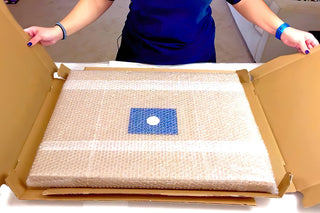
STEP 2 - SHIPPING
We ship your order. We send you an email to track the progress

STEP 3 - DELIVERY
You receive your order. You can also, according to your choice, be delivered to a relay point.
Matte finish
View from behind
Frame (optional)
In the world of art, some works manage to capture the very essence of a moment, evoke emotions, and transport the viewer to a particular universe. "Le passage du gué" by Jean-Baptiste Deshays is one of those creations that, through its realism and depth, invites attentive contemplation. This piece, depicting a scene from everyday life, stands out for its ability to tell a story while highlighting the beauty of natural landscapes. Observing this art print, one is immediately drawn into the atmosphere it emanates, where every detail seems to hold significance and contributes to the overall harmony.
Style and uniqueness of the work
Jean-Baptiste Deshays's style is characterized by striking realism, where light and shadow play a crucial role. In "Le passage du gué," he manages to capture the fluidity of water and the texture of natural elements with remarkable precision. The characters, though modestly depicted, are imbued with palpable humanity, illustrating simple gestures loaded with meaning. The composition of the piece, balanced and harmonious, directs the gaze toward the center of the scene, where the interaction between human figures and their environment creates a lively dynamic. This painting, far from being a mere representation, becomes a true invitation to reflect on the relationship between man and nature, a recurring theme in 18th-century art.
The artist and his influence
Jean-Baptiste Deshays, painter of the second half of the 18th century, established himself as a significant figure in the French landscape. Trained in a rich artistic context, he was influenced by masters such as Claude Lorrain and Nicolas Poussin, from whom he inherited the sense of light and balanced composition. His work is often marked by a sensitivity to nature, a desire to pay homage to the beauty of the world around him. "Le passage du gué" perfectly illustrates this concern, blending a realistic approach with subtle poetry. Deshays's influence is felt not only in his era but also among later artists who sought to capture the spirit
12,34 €