
Painting The painter William A. Sherwood - Jakob Smits | Art print


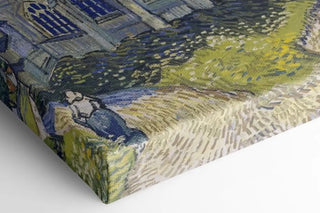
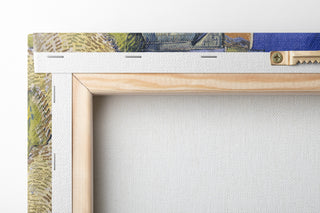
View from behind
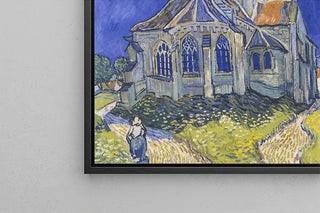
Frame (optional)
In the fascinating universe of art, some works stand out for their ability to capture the very essence of human life. "The painter William A. Sherwood" by Jakob Smits is one of those creations that transcend the simple act of painting to offer a profound reflection on identity and artistic passion. This piece, which highlights an artist in full action, invites the viewer to immerse themselves in a moment of creative intimacy. The scene is depicted with such vividness that one can almost feel the palpable tension between the artist and his canvas. The emotion emanating from this art print is both powerful and delicate, making each viewing of this art print unique.
Style and uniqueness of the work
Jakob Smits's style is characterized by an impressive mastery of colors and lights. In "The painter William A. Sherwood," the artist uses rich tones and striking contrasts to create an immersive atmosphere. The brushstrokes, both precise and spontaneous, reveal an approach that is both realistic and expressive. The composition of the work is carefully orchestrated, highlighting the main subject while incorporating elements of the environment that enhance the visual narrative. William A. Sherwood's posture, focused on his work, reflects the artist's full commitment to his creation. This painting is not just a representation of a moment; it is a celebration of the creative act itself, where every detail contributes to the harmonious whole of the work.
The artist and his influence
Jakob Smits, born in 1855, is recognized for his ability to fuse realism with emotional sensitivity. His career, marked by travels and diverse influences, shaped his distinctive style. Smits established himself as a master of genre painting and landscape, but it is in his portraits and interior scenes that he reveals the full extent of his talent. The work "The painter William A. Sherwood" fits within this tradition, while echoing the evolution of art at the end of the 19th century. Smits's influence extends beyond his own
Painting The painter William A. Sherwood - Jakob Smits | Art print

-10% FROM €95 IN PURCHASES
-15% FROM €195 IN PURCHASES
Regular price
- Unit price
- per
Tax included.
Free shipping
€4.90 / Free shipping on orders over €39
Satisfied or Money Back
Free returns within 30 days
10-year warranty
Our prints are guaranteed for 10 years
Any questions? We are here!
by email to contact@artemlegrand.com
THE STEPS OF YOUR ORDER

STEP 1 - ORDER PLACED
Your order has been confirmed and we are starting production
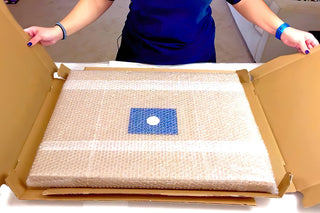
STEP 2 - SHIPPING
We ship your order. We send you an email to track the progress

STEP 3 - DELIVERY
You receive your order. You can also, according to your choice, be delivered to a relay point.
Matte finish
View from behind
Frame (optional)
In the fascinating universe of art, some works stand out for their ability to capture the very essence of human life. "The painter William A. Sherwood" by Jakob Smits is one of those creations that transcend the simple act of painting to offer a profound reflection on identity and artistic passion. This piece, which highlights an artist in full action, invites the viewer to immerse themselves in a moment of creative intimacy. The scene is depicted with such vividness that one can almost feel the palpable tension between the artist and his canvas. The emotion emanating from this art print is both powerful and delicate, making each viewing of this art print unique.
Style and uniqueness of the work
Jakob Smits's style is characterized by an impressive mastery of colors and lights. In "The painter William A. Sherwood," the artist uses rich tones and striking contrasts to create an immersive atmosphere. The brushstrokes, both precise and spontaneous, reveal an approach that is both realistic and expressive. The composition of the work is carefully orchestrated, highlighting the main subject while incorporating elements of the environment that enhance the visual narrative. William A. Sherwood's posture, focused on his work, reflects the artist's full commitment to his creation. This painting is not just a representation of a moment; it is a celebration of the creative act itself, where every detail contributes to the harmonious whole of the work.
The artist and his influence
Jakob Smits, born in 1855, is recognized for his ability to fuse realism with emotional sensitivity. His career, marked by travels and diverse influences, shaped his distinctive style. Smits established himself as a master of genre painting and landscape, but it is in his portraits and interior scenes that he reveals the full extent of his talent. The work "The painter William A. Sherwood" fits within this tradition, while echoing the evolution of art at the end of the 19th century. Smits's influence extends beyond his own
12,34 €