
Painting The oyster eater - James Ensor | Art print


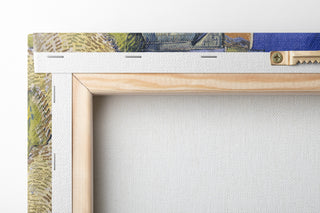
View from behind
Frame (optional)
In the fascinating universe of art, some works transcend their era to become timeless symbols. "The Oyster Eater" by James Ensor is one of those creations that capture the very essence of the human condition through a prism of vibrant colors and poignant details. This painting, created in 1882, immerses the viewer in a scene that is both ordinary and deeply evocative, where the simple act of eating oysters becomes a reflection on life, death, and society. Through this artwork, Ensor invites us to explore the nuances of human existence while immersing ourselves in a universe rich in symbolism and emotion.
Style and uniqueness of the work
Ensor's style is distinguished by a bold palette and a technique that blends realism and expressionism. In "The Oyster Eater," the artist uses striking colors to create a vivid contrast between the main subject and the background. The man about to enjoy the oyster is depicted with an intensity that captures attention, while the details of the setting, though present, seem to blend into an almost dreamlike atmosphere. Each brushstroke reveals technical mastery that goes beyond simple representation, inviting the viewer to feel the intoxication of this moment. The composition, both dynamic and balanced, allows us to sense the tension between the immediate pleasure of consumption and reflection on mortality—a recurring theme in Ensor's work.
The artist and his influence
James Ensor, an emblematic figure of Belgian symbolism, knew how to mark his era with a unique artistic vision. Born in Ostend in 1860, he was influenced by the Impressionist movement while developing a style that is entirely his own, characterized by an exploration of themes of anxiety and death. "The Oyster Eater" fits into this approach, illustrating the duality between pleasure and decline. By integrating elements of everyday life with deeper reflections on existence, Ensor paved the way for many artists who...
Painting The oyster eater - James Ensor | Art print

-10% FROM €95 IN PURCHASES
-15% FROM €195 IN PURCHASES
Regular price
- Unit price
- per
Tax included.
Free shipping
€4.90 / Free shipping on orders over €39
Satisfied or Money Back
Free returns within 30 days
10-year warranty
Our prints are guaranteed for 10 years
Any questions? We are here!
by email to contact@artemlegrand.com
THE STEPS OF YOUR ORDER

STEP 1 - ORDER PLACED
Your order has been confirmed and we are starting production
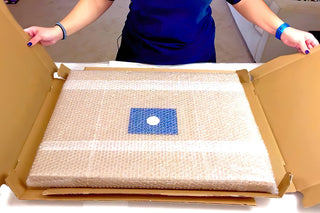
STEP 2 - SHIPPING
We ship your order. We send you an email to track the progress

STEP 3 - DELIVERY
You receive your order. You can also, according to your choice, be delivered to a relay point.
Matte finish
View from behind
Frame (optional)
In the fascinating universe of art, some works transcend their era to become timeless symbols. "The Oyster Eater" by James Ensor is one of those creations that capture the very essence of the human condition through a prism of vibrant colors and poignant details. This painting, created in 1882, immerses the viewer in a scene that is both ordinary and deeply evocative, where the simple act of eating oysters becomes a reflection on life, death, and society. Through this artwork, Ensor invites us to explore the nuances of human existence while immersing ourselves in a universe rich in symbolism and emotion.
Style and uniqueness of the work
Ensor's style is distinguished by a bold palette and a technique that blends realism and expressionism. In "The Oyster Eater," the artist uses striking colors to create a vivid contrast between the main subject and the background. The man about to enjoy the oyster is depicted with an intensity that captures attention, while the details of the setting, though present, seem to blend into an almost dreamlike atmosphere. Each brushstroke reveals technical mastery that goes beyond simple representation, inviting the viewer to feel the intoxication of this moment. The composition, both dynamic and balanced, allows us to sense the tension between the immediate pleasure of consumption and reflection on mortality—a recurring theme in Ensor's work.
The artist and his influence
James Ensor, an emblematic figure of Belgian symbolism, knew how to mark his era with a unique artistic vision. Born in Ostend in 1860, he was influenced by the Impressionist movement while developing a style that is entirely his own, characterized by an exploration of themes of anxiety and death. "The Oyster Eater" fits into this approach, illustrating the duality between pleasure and decline. By integrating elements of everyday life with deeper reflections on existence, Ensor paved the way for many artists who...
12,34 €