
Painting The old man at the leper's house - Hans Andersen Brendekilde | Art print


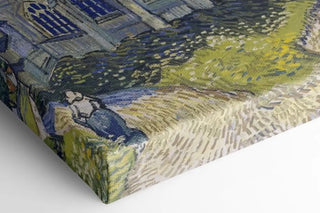
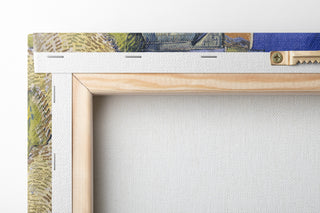
View from behind
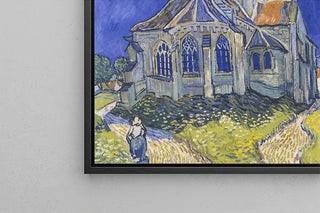
Frame (optional)
Art print Le vieil homme chez le lépreux - Hans Andersen Brendekilde – Captivating Introduction
In the rich and complex universe of art, some works manage to transcend time and touch the soul of those who contemplate them. "The Old Man with the Leper" by Hans Andersen Brendekilde is one of these creations that, through its emotional depth and palpable humanity, stands out as a poignant testament to the human condition. The scene depicted by the Danish artist invites us to reflect on solitude, compassion, and the fragility of life. Immersing oneself in this piece reveals not only a visual representation but also a silent narration that resonates with rare intensity.
Style and uniqueness of the work
Brendekilde, a master of realism, manages to capture the very essence of human emotions through meticulous details and a subtle color palette. In "The Old Man with the Leper," each brushstroke seems charged with a profound intention; every shadow, every light plays a crucial role in storytelling. The composition of the artwork is carefully orchestrated, highlighting the contrast between the vulnerability of the leper and the wisdom of the old man. The latter, though marked by time, embodies a form of dignity and respect in the face of suffering. The expressions of the characters are so realistic that they almost seem alive, inviting the viewer to ponder their personal stories. This ability to evoke complex emotions through a simple scene of everyday life is Brendekilde's hallmark and gives his work an unparalleled singularity.
The artist and his influence
Hans Andersen Brendekilde, born in 1857, is often regarded as one of the pioneers of the realist movement in Denmark. His artistic training and commitment to faithful depictions of daily life led him to explore social and humanist themes. By choosing to portray often marginalized characters, Brendekilde was able to give a voice to those who were often forgotten by society. His work, marked by deep empathy, influenced many contemporary artists and helped pave the way for a more humane approach to art. Through subjects such as the
Painting The old man at the leper's house - Hans Andersen Brendekilde | Art print

-10% FROM €95 IN PURCHASES
-15% FROM €195 IN PURCHASES
Regular price
- Unit price
- per
Tax included.
Free shipping
€4.90 / Free shipping on orders over €39
Satisfied or Money Back
Free returns within 30 days
10-year warranty
Our prints are guaranteed for 10 years
Any questions? We are here!
by email to contact@artemlegrand.com
THE STEPS OF YOUR ORDER

STEP 1 - ORDER PLACED
Your order has been confirmed and we are starting production
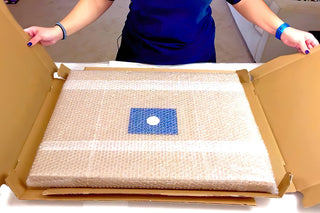
STEP 2 - SHIPPING
We ship your order. We send you an email to track the progress

STEP 3 - DELIVERY
You receive your order. You can also, according to your choice, be delivered to a relay point.
Matte finish
View from behind
Frame (optional)
Art print Le vieil homme chez le lépreux - Hans Andersen Brendekilde – Captivating Introduction
In the rich and complex universe of art, some works manage to transcend time and touch the soul of those who contemplate them. "The Old Man with the Leper" by Hans Andersen Brendekilde is one of these creations that, through its emotional depth and palpable humanity, stands out as a poignant testament to the human condition. The scene depicted by the Danish artist invites us to reflect on solitude, compassion, and the fragility of life. Immersing oneself in this piece reveals not only a visual representation but also a silent narration that resonates with rare intensity.
Style and uniqueness of the work
Brendekilde, a master of realism, manages to capture the very essence of human emotions through meticulous details and a subtle color palette. In "The Old Man with the Leper," each brushstroke seems charged with a profound intention; every shadow, every light plays a crucial role in storytelling. The composition of the artwork is carefully orchestrated, highlighting the contrast between the vulnerability of the leper and the wisdom of the old man. The latter, though marked by time, embodies a form of dignity and respect in the face of suffering. The expressions of the characters are so realistic that they almost seem alive, inviting the viewer to ponder their personal stories. This ability to evoke complex emotions through a simple scene of everyday life is Brendekilde's hallmark and gives his work an unparalleled singularity.
The artist and his influence
Hans Andersen Brendekilde, born in 1857, is often regarded as one of the pioneers of the realist movement in Denmark. His artistic training and commitment to faithful depictions of daily life led him to explore social and humanist themes. By choosing to portray often marginalized characters, Brendekilde was able to give a voice to those who were often forgotten by society. His work, marked by deep empathy, influenced many contemporary artists and helped pave the way for a more humane approach to art. Through subjects such as the
12,34 €