
Painting Les monastères - Jacques-Raymond Brascassat | Art print


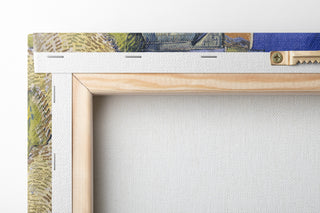
View from behind
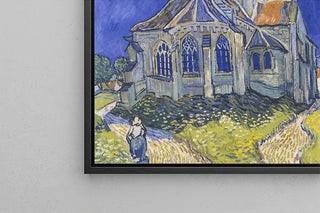
Frame (optional)
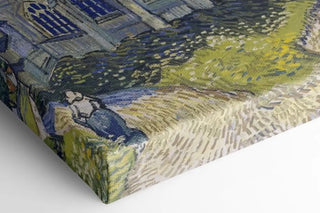
In the fascinating world of art, some artworks manage to capture the very essence of humanity, revealing landscapes of contemplation and serenity. "Les monastères - Jacques-Raymond Brascassat" is one such creation that invites a visual journey into the heart of spiritual traditions. Through this painting, Brascassat immerses us in a universe where nature and spirituality meet, offering a poignant representation of monastic tranquility. The soft light bathing the buildings and surrounding vegetation creates an atmosphere conducive to meditation, while the meticulous details testify to remarkable technical mastery.
Style and uniqueness of the work
Brascassat's work stands out for its romantic approach to landscape, blending realism and idealization. "Les monastères" is characterized by rich colors and delicate nuances that evoke a perfect harmony between architecture and nature. The shapes of the monasteries, sometimes majestic, sometimes discreet, are integrated into a lush setting, where each element seems to play a role in the visual storytelling. The composition is carefully orchestrated, guiding the viewer's eye through the different layers of the image. The interplay of light and shadow adds emotional depth, transforming this depiction into a true invitation to contemplation. Brascassat succeeds in capturing not only the appearance of the places but also the spiritual atmosphere that envelops them, offering an immersive experience.
The artist and his influence
Jacques-Raymond Brascassat, born in 1804, was a French painter whose work is rooted in the Romantic movement. Influenced by the great masters of his time, he developed a personal style that combines detailed precision with poetic sensitivity. His landscapes, often inspired by places of reflection, reflect a deep spiritual quest. Brascassat is interested not only in the beauty of landscapes but also in their ability to evoke emotions and inner reflections. His contribution to 19th-century landscape art is significant, and his legacy endures through the generations of artists who followed. By incorporating elements of
Painting Les monastères - Jacques-Raymond Brascassat | Art print

-10% FROM €95 IN PURCHASES
-15% FROM €195 IN PURCHASES
Regular price
- Unit price
- per
Tax included.
Free shipping
€4.90 / Free shipping on orders over €39
Satisfied or Money Back
Free returns within 30 days
10-year warranty
Our prints are guaranteed for 10 years
Any questions? We are here!
by email to contact@artemlegrand.com
THE STEPS OF YOUR ORDER

STEP 1 - ORDER PLACED
Your order has been confirmed and we are starting production
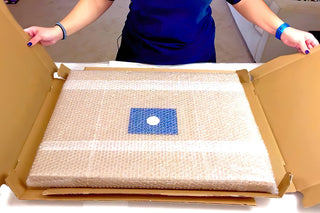
STEP 2 - SHIPPING
We ship your order. We send you an email to track the progress

STEP 3 - DELIVERY
You receive your order. You can also, according to your choice, be delivered to a relay point.
Matte finish
View from behind
Frame (optional)
In the fascinating world of art, some artworks manage to capture the very essence of humanity, revealing landscapes of contemplation and serenity. "Les monastères - Jacques-Raymond Brascassat" is one such creation that invites a visual journey into the heart of spiritual traditions. Through this painting, Brascassat immerses us in a universe where nature and spirituality meet, offering a poignant representation of monastic tranquility. The soft light bathing the buildings and surrounding vegetation creates an atmosphere conducive to meditation, while the meticulous details testify to remarkable technical mastery.
Style and uniqueness of the work
Brascassat's work stands out for its romantic approach to landscape, blending realism and idealization. "Les monastères" is characterized by rich colors and delicate nuances that evoke a perfect harmony between architecture and nature. The shapes of the monasteries, sometimes majestic, sometimes discreet, are integrated into a lush setting, where each element seems to play a role in the visual storytelling. The composition is carefully orchestrated, guiding the viewer's eye through the different layers of the image. The interplay of light and shadow adds emotional depth, transforming this depiction into a true invitation to contemplation. Brascassat succeeds in capturing not only the appearance of the places but also the spiritual atmosphere that envelops them, offering an immersive experience.
The artist and his influence
Jacques-Raymond Brascassat, born in 1804, was a French painter whose work is rooted in the Romantic movement. Influenced by the great masters of his time, he developed a personal style that combines detailed precision with poetic sensitivity. His landscapes, often inspired by places of reflection, reflect a deep spiritual quest. Brascassat is interested not only in the beauty of landscapes but also in their ability to evoke emotions and inner reflections. His contribution to 19th-century landscape art is significant, and his legacy endures through the generations of artists who followed. By incorporating elements of
12,34 €