
Art print of The Miraculous Transformation of Caterpillars and the Strange Food of Flowers Pl065 - Maria Sibylla Merian


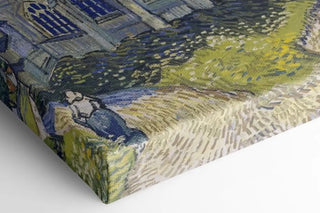
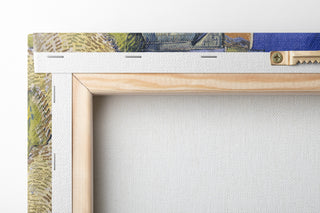
View from behind
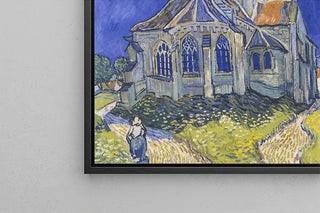
Frame (optional)
In the fascinating world of naturalist art, the artwork titled "The Miraculous Transformation of Caterpillars and the Strange Food of Flowers Pl065" by Maria Sibylla Merian stands out for its poetic and scientific approach. This iconic piece, capturing the magic of the insect life cycle and the beauty of flowers, invites deep contemplation of nature's wonders. Immersing oneself in this representation, one cannot help but feel admiration for the meticulous detail and delicate colors, which seem to almost vibrate under the viewer's gaze. The piece, at the crossroads of art and science, reminds us of the richness of biodiversity and the harmony that reigns within ecosystems.
Style and uniqueness of the work
Maria Sibylla Merian's style is both precise and lyrical. Her illustrations, although based on rigorous observation, transcend mere documentation to become true works of art. In "The Miraculous Transformation of Caterpillars and the Strange Food of Flowers Pl065," each element is carefully arranged, creating a harmonious composition that guides the eye through the different stages of caterpillar metamorphosis. The colors, ranging from vivid hues to softer shades, are applied with such mastery that they seem to breathe life. Light also plays a crucial role, highlighting the delicate textures of petals and wings. This unique approach, combining scientific observation and artistic sensitivity, makes Merian a pioneer in the field of naturalist illustration.
The artist and her influence
Maria Sibylla Merian, born in 1647 in Frankfurt, is an iconic figure of the 17th century, not only as an artist but also as a naturalist. Her passion for observing nature led her to undertake journeys to South America, where she studied insects and plants in their natural habitat. This experience profoundly enriched her work and contributed to her reputation as an entomology expert. Merian's impact on the world of art and natural science remains significant.
Art print of The Miraculous Transformation of Caterpillars and the Strange Food of Flowers Pl065 - Maria Sibylla Merian

-10% FROM €95 IN PURCHASES
-15% FROM €195 IN PURCHASES
Regular price
- Unit price
- per
Tax included.
Free shipping
€4.90 / Free shipping on orders over €39
Satisfied or Money Back
Free returns within 30 days
10-year warranty
Our prints are guaranteed for 10 years
Any questions? We are here!
by email to contact@artemlegrand.com
THE STEPS OF YOUR ORDER
STEP 1 - ORDER PLACED
Your order has been confirmed and we are starting production
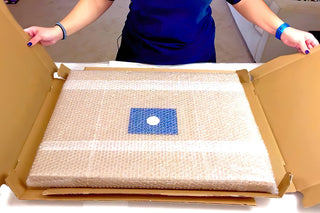
STEP 2 - SHIPPING
We ship your order. We send you an email to track the progress

STEP 3 - DELIVERY
You receive your order. You can also, according to your choice, be delivered to a relay point.
Matte finish
View from behind
Frame (optional)
In the fascinating world of naturalist art, the artwork titled "The Miraculous Transformation of Caterpillars and the Strange Food of Flowers Pl065" by Maria Sibylla Merian stands out for its poetic and scientific approach. This iconic piece, capturing the magic of the insect life cycle and the beauty of flowers, invites deep contemplation of nature's wonders. Immersing oneself in this representation, one cannot help but feel admiration for the meticulous detail and delicate colors, which seem to almost vibrate under the viewer's gaze. The piece, at the crossroads of art and science, reminds us of the richness of biodiversity and the harmony that reigns within ecosystems.
Style and uniqueness of the work
Maria Sibylla Merian's style is both precise and lyrical. Her illustrations, although based on rigorous observation, transcend mere documentation to become true works of art. In "The Miraculous Transformation of Caterpillars and the Strange Food of Flowers Pl065," each element is carefully arranged, creating a harmonious composition that guides the eye through the different stages of caterpillar metamorphosis. The colors, ranging from vivid hues to softer shades, are applied with such mastery that they seem to breathe life. Light also plays a crucial role, highlighting the delicate textures of petals and wings. This unique approach, combining scientific observation and artistic sensitivity, makes Merian a pioneer in the field of naturalist illustration.
The artist and her influence
Maria Sibylla Merian, born in 1647 in Frankfurt, is an iconic figure of the 17th century, not only as an artist but also as a naturalist. Her passion for observing nature led her to undertake journeys to South America, where she studied insects and plants in their natural habitat. This experience profoundly enriched her work and contributed to her reputation as an entomology expert. Merian's impact on the world of art and natural science remains significant.
12,34 €