
Painting The Miraculous Transformation of Caterpillars and the Strange Food of Flowers Pl058 - Maria Sibylla Merian | Art print


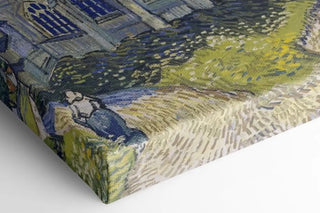
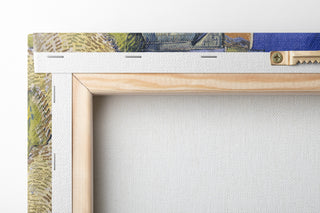
View from behind
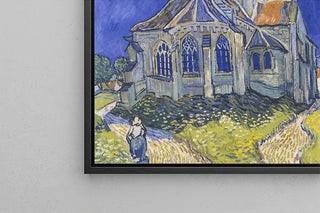
Frame (optional)
In the fascinating universe of naturalist art, few works manage to capture the essence of nature with such precision and poetry as "The Miraculous Transformation of Caterpillars and the Strange Food of Flowers Pl058" by Maria Sibylla Merian. This iconic piece, celebrating the beauty and complexity of the natural world, takes us on a visual journey where meticulous observation blends with rare artistic sensitivity. Merian, a pioneer in the study of insects and plants, offers us a window into a vibrant ecosystem, where every detail, color, and shape tells a story. Through this artwork, she invites us to contemplate the cycle of life, appreciate interspecies relationships, and admire the delicacy of nature.
Style and uniqueness of the work
Merian's work stands out for its scientific approach combined with a sharp aesthetic sense. Her use of color is both bold and nuanced, creating a striking contrast between the caterpillars, flowers, and the background that surrounds them. The precision of details, from leaf textures to insect patterns, reflects diligent observation and insatiable curiosity. Every element of the composition is carefully arranged to guide the viewer’s eye, revealing the dynamics between different forms of life. The depiction of caterpillars in full metamorphosis evokes a transformation that goes beyond simple biological evolution, symbolizing change and rebirth as well. This ability to fuse science and art makes this piece an emblematic example of 17th-century naturalism, an era when the observation of nature was flourishing.
The artist and her influence
Maria Sibylla Merian, born in 1647 in Frankfurt, is often regarded as one of the first female naturalists. Her work and research marked a turning point in how artists and scientists approached the natural world. Settling in Amsterdam, she gained access to a wealth of knowledge and influences that enriched her work. Merian did not merely reproduce the
Painting The Miraculous Transformation of Caterpillars and the Strange Food of Flowers Pl058 - Maria Sibylla Merian | Art print

-10% FROM €95 IN PURCHASES
-15% FROM €195 IN PURCHASES
Regular price
- Unit price
- per
Tax included.
Free shipping
€4.90 / Free shipping on orders over €39
Satisfied or Money Back
Free returns within 30 days
10-year warranty
Our prints are guaranteed for 10 years
Any questions? We are here!
by email to contact@artemlegrand.com
THE STEPS OF YOUR ORDER
STEP 1 - ORDER PLACED
Your order has been confirmed and we are starting production
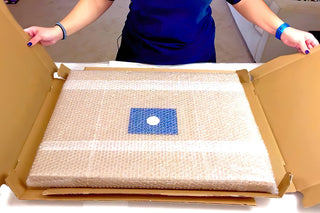
STEP 2 - SHIPPING
We ship your order. We send you an email to track the progress

STEP 3 - DELIVERY
You receive your order. You can also, according to your choice, be delivered to a relay point.
Matte finish
View from behind
Frame (optional)
In the fascinating universe of naturalist art, few works manage to capture the essence of nature with such precision and poetry as "The Miraculous Transformation of Caterpillars and the Strange Food of Flowers Pl058" by Maria Sibylla Merian. This iconic piece, celebrating the beauty and complexity of the natural world, takes us on a visual journey where meticulous observation blends with rare artistic sensitivity. Merian, a pioneer in the study of insects and plants, offers us a window into a vibrant ecosystem, where every detail, color, and shape tells a story. Through this artwork, she invites us to contemplate the cycle of life, appreciate interspecies relationships, and admire the delicacy of nature.
Style and uniqueness of the work
Merian's work stands out for its scientific approach combined with a sharp aesthetic sense. Her use of color is both bold and nuanced, creating a striking contrast between the caterpillars, flowers, and the background that surrounds them. The precision of details, from leaf textures to insect patterns, reflects diligent observation and insatiable curiosity. Every element of the composition is carefully arranged to guide the viewer’s eye, revealing the dynamics between different forms of life. The depiction of caterpillars in full metamorphosis evokes a transformation that goes beyond simple biological evolution, symbolizing change and rebirth as well. This ability to fuse science and art makes this piece an emblematic example of 17th-century naturalism, an era when the observation of nature was flourishing.
The artist and her influence
Maria Sibylla Merian, born in 1647 in Frankfurt, is often regarded as one of the first female naturalists. Her work and research marked a turning point in how artists and scientists approached the natural world. Settling in Amsterdam, she gained access to a wealth of knowledge and influences that enriched her work. Merian did not merely reproduce the
12,34 €