
Art print of The Miraculous Transformation of Caterpillars and the Strange Food for Flowers Pl. 004 - Maria Sibylla Merian


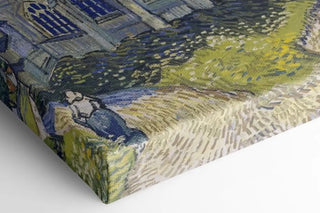
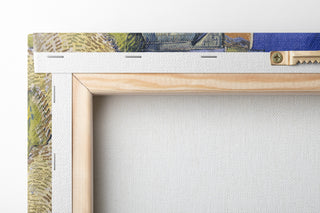
View from behind
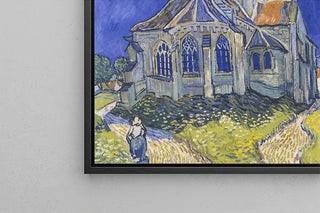
Frame (optional)
In a world where nature reveals itself with unparalleled poetry, the art print "The Miraculous Transformation of Caterpillars and the Strange Food for Flowers" by Maria Sibylla Merian emerges as a captivating testament to meticulous observation and scientific curiosity. This iconic piece, illustrating the life cycle of butterflies with remarkable precision, invites viewers to immerse themselves in a universe where the beauty of nature blends seamlessly with scholarly rigor. The depiction of caterpillars, flowers, and butterflies, adorned with vibrant colors and striking details, evokes a harmony between art and science, offering a reflection on the mysteries of metamorphosis.
Style and uniqueness of the work
Maria Sibylla Merian's style is distinguished by her naturalist approach, characterized by a keen attention to detail. Every element of her composition appears alive, as if the caterpillars and flowers are in full motion, captured in a fleeting moment. Light plays a crucial role in this art print, illuminating the delicate textures of butterfly wings and plant leaves. The color palette, rich and nuanced, enhances the visual impact while emphasizing the diversity of species depicted. Merian does not merely represent nature; she interprets it with an artistic sensitivity that transcends simple scientific documentation. This piece, at the crossroads of art and biology, bears witness to an era when scientific exploration was intimately connected to aesthetics.
The artist and her influence
Maria Sibylla Merian, pioneer of entomology, dedicated her life to studying insects and their environment. Born in 1647 in Frankfurt, she broke the conventions of her time by embarking on daring explorations, notably in Guyana, where she observed and documented local fauna. Her work not only influenced the field of science but also paved the way for a new form of naturalist art. By highlighting the beauty of insects and plants, Merian contributed to a
Art print of The Miraculous Transformation of Caterpillars and the Strange Food for Flowers Pl. 004 - Maria Sibylla Merian

-10% FROM €95 IN PURCHASES
-15% FROM €195 IN PURCHASES
Regular price
- Unit price
- per
Tax included.
Free shipping
€4.90 / Free shipping on orders over €39
Satisfied or Money Back
Free returns within 30 days
10-year warranty
Our prints are guaranteed for 10 years
Any questions? We are here!
by email to contact@artemlegrand.com
THE STEPS OF YOUR ORDER
STEP 1 - ORDER PLACED
Your order has been confirmed and we are starting production
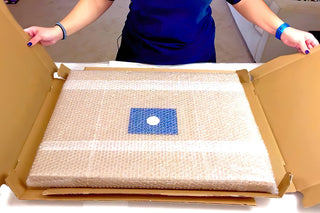
STEP 2 - SHIPPING
We ship your order. We send you an email to track the progress

STEP 3 - DELIVERY
You receive your order. You can also, according to your choice, be delivered to a relay point.
Matte finish
View from behind
Frame (optional)
In a world where nature reveals itself with unparalleled poetry, the art print "The Miraculous Transformation of Caterpillars and the Strange Food for Flowers" by Maria Sibylla Merian emerges as a captivating testament to meticulous observation and scientific curiosity. This iconic piece, illustrating the life cycle of butterflies with remarkable precision, invites viewers to immerse themselves in a universe where the beauty of nature blends seamlessly with scholarly rigor. The depiction of caterpillars, flowers, and butterflies, adorned with vibrant colors and striking details, evokes a harmony between art and science, offering a reflection on the mysteries of metamorphosis.
Style and uniqueness of the work
Maria Sibylla Merian's style is distinguished by her naturalist approach, characterized by a keen attention to detail. Every element of her composition appears alive, as if the caterpillars and flowers are in full motion, captured in a fleeting moment. Light plays a crucial role in this art print, illuminating the delicate textures of butterfly wings and plant leaves. The color palette, rich and nuanced, enhances the visual impact while emphasizing the diversity of species depicted. Merian does not merely represent nature; she interprets it with an artistic sensitivity that transcends simple scientific documentation. This piece, at the crossroads of art and biology, bears witness to an era when scientific exploration was intimately connected to aesthetics.
The artist and her influence
Maria Sibylla Merian, pioneer of entomology, dedicated her life to studying insects and their environment. Born in 1647 in Frankfurt, she broke the conventions of her time by embarking on daring explorations, notably in Guyana, where she observed and documented local fauna. Her work not only influenced the field of science but also paved the way for a new form of naturalist art. By highlighting the beauty of insects and plants, Merian contributed to a
12,34 €