
Art print of The Marriage of Stephen Beckingham and Mary Cox - William Hogarth


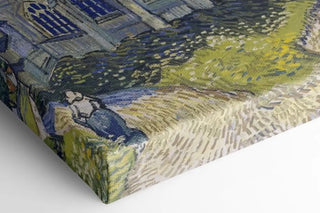
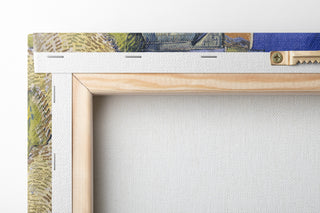
View from behind
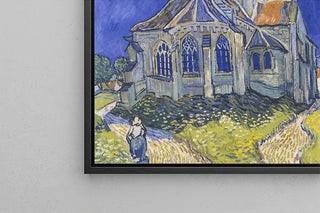
Frame (optional)
In the vast panorama of art history, some works stand out for their ability to capture moments of life, emotions, and stories. "The Marriage of Stephen Beckingham and Mary Cox" by William Hogarth is one of those iconic pieces that, beyond its visual representation, immerses us in a rich era and culture. Created in 1729, this piece offers a true window into 18th-century England, where social conventions and family dynamics intertwine with a subtle critique of the morals of its time. Far from being a simple wedding painting, this complex composition explores themes of class, morality, and love, inviting viewers to a deeper reflection on marriage as an institution.
Style and uniqueness of the work
Hogarth's style is characterized by striking realism and meticulous attention to detail. In "The Marriage of Stephen Beckingham and Mary Cox," every element of the scene is carefully orchestrated to reveal the personalities of the characters and the relationships that bind them. The color palette, both vibrant and nuanced, contributes to the lively atmosphere of the composition. The facial expressions of the protagonists, ranging from joy to embarrassment, are silent witnesses to the emotions crossing this pivotal moment. Hogarth, a master of visual storytelling, also uses symbols to enrich the narrative. For example, the objects present in the scene, such as books and musical instruments, suggest intellectual and artistic aspirations, while highlighting tensions between tradition and modernity.
The artist and his influence
William Hogarth, born in 1697, is often regarded as one of the pioneers of narrative painting in Great Britain. His innovative approach, blending social satire and psychological observation, marked a turning point in British art. He captured the spirit of his time, offering a sharp critique of social classes and human behaviors. His influence extends beyond his era, inspiring many artists who followed in his footsteps, particularly in the fields of caricature and genre painting. Hogarth also contributed to popularizing the idea that art could be a vehicle of
Art print of The Marriage of Stephen Beckingham and Mary Cox - William Hogarth

-10% FROM €95 IN PURCHASES
-15% FROM €195 IN PURCHASES
Regular price
- Unit price
- per
Tax included.
Free shipping
€4.90 / Free shipping on orders over €39
Satisfied or Money Back
Free returns within 30 days
10-year warranty
Our prints are guaranteed for 10 years
Any questions? We are here!
by email to contact@artemlegrand.com
THE STEPS OF YOUR ORDER

STEP 1 - ORDER PLACED
Your order has been confirmed and we are starting production
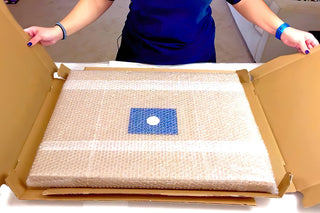
STEP 2 - SHIPPING
We ship your order. We send you an email to track the progress

STEP 3 - DELIVERY
You receive your order. You can also, according to your choice, be delivered to a relay point.
Matte finish
View from behind
Frame (optional)
In the vast panorama of art history, some works stand out for their ability to capture moments of life, emotions, and stories. "The Marriage of Stephen Beckingham and Mary Cox" by William Hogarth is one of those iconic pieces that, beyond its visual representation, immerses us in a rich era and culture. Created in 1729, this piece offers a true window into 18th-century England, where social conventions and family dynamics intertwine with a subtle critique of the morals of its time. Far from being a simple wedding painting, this complex composition explores themes of class, morality, and love, inviting viewers to a deeper reflection on marriage as an institution.
Style and uniqueness of the work
Hogarth's style is characterized by striking realism and meticulous attention to detail. In "The Marriage of Stephen Beckingham and Mary Cox," every element of the scene is carefully orchestrated to reveal the personalities of the characters and the relationships that bind them. The color palette, both vibrant and nuanced, contributes to the lively atmosphere of the composition. The facial expressions of the protagonists, ranging from joy to embarrassment, are silent witnesses to the emotions crossing this pivotal moment. Hogarth, a master of visual storytelling, also uses symbols to enrich the narrative. For example, the objects present in the scene, such as books and musical instruments, suggest intellectual and artistic aspirations, while highlighting tensions between tradition and modernity.
The artist and his influence
William Hogarth, born in 1697, is often regarded as one of the pioneers of narrative painting in Great Britain. His innovative approach, blending social satire and psychological observation, marked a turning point in British art. He captured the spirit of his time, offering a sharp critique of social classes and human behaviors. His influence extends beyond his era, inspiring many artists who followed in his footsteps, particularly in the fields of caricature and genre painting. Hogarth also contributed to popularizing the idea that art could be a vehicle of
12,34 €