
Art print The Lute Player - Theodoor Rombouts


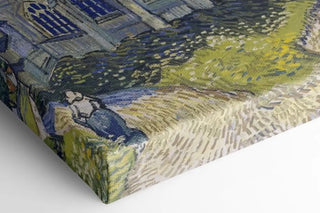
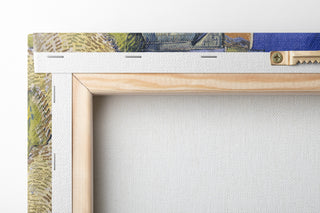
View from behind
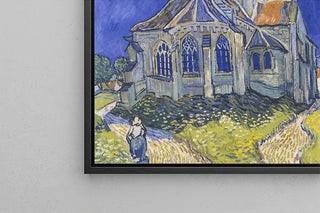
Frame (optional)
In the rich and captivating universe of baroque art, "The Lute Player" by Theodoor Rombouts stands out for its emotional depth and technical virtuosity. This artwork, which captures the very essence of music and intimacy, transports us to a suspended moment where time seems to stand still. Through the penetrating gaze of the musician and the delicacy of the details, Rombouts invites us to share a unique sensory experience, where the melody almost materializes before our eyes. It is an invitation to contemplation, a fleeting moment from daily routine, where art and music meet in perfect harmony.
Style and uniqueness of the work
Rombouts' style, imbued with the richness of Flemish baroque, manifests in mastery of shadows and lights, creating a striking contrast play. The soft light illuminating the face of the Lute Player highlights his features, while the shadow envelops the background, adding an almost theatrical dimension to the scene. Every element of the composition, from the lute itself to the draped clothing, is carefully rendered with remarkable precision. The artist manages to capture not only the physical beauty of his subject but also a palpable emotion, a passion for music that transcends mere visual representation. This work is a true testament to the capacity of art to evoke deep feelings, to forge a connection between the viewer and the inner world of the musician.
The artist and his influence
Theodoor Rombouts, born in Antwerp at the beginning of the 17th century, is often regarded as one of the masters of Flemish baroque. His artistic journey is marked by a significant influence from his contemporaries, notably great masters like Rubens and Caravaggio. Rombouts successfully integrated the lessons of these giants while developing a personal style that is uniquely his own. His ability to render human emotions with such intensity made him a respected artist of his time. By exploring themes such as music, conviviality, and daily life, he contributed to enriching the Flemish artistic heritage. His work continues to inspire generations of artists,
Art print The Lute Player - Theodoor Rombouts

-10% FROM €95 IN PURCHASES
-15% FROM €195 IN PURCHASES
Regular price
- Unit price
- per
Tax included.
Free shipping
€4.90 / Free shipping on orders over €39
Satisfied or Money Back
Free returns within 30 days
10-year warranty
Our prints are guaranteed for 10 years
Any questions? We are here!
by email to contact@artemlegrand.com
THE STEPS OF YOUR ORDER
STEP 1 - ORDER PLACED
Your order has been confirmed and we are starting production
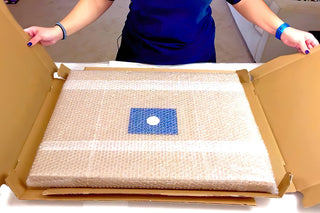
STEP 2 - SHIPPING
We ship your order. We send you an email to track the progress

STEP 3 - DELIVERY
You receive your order. You can also, according to your choice, be delivered to a relay point.
Matte finish
View from behind
Frame (optional)
In the rich and captivating universe of baroque art, "The Lute Player" by Theodoor Rombouts stands out for its emotional depth and technical virtuosity. This artwork, which captures the very essence of music and intimacy, transports us to a suspended moment where time seems to stand still. Through the penetrating gaze of the musician and the delicacy of the details, Rombouts invites us to share a unique sensory experience, where the melody almost materializes before our eyes. It is an invitation to contemplation, a fleeting moment from daily routine, where art and music meet in perfect harmony.
Style and uniqueness of the work
Rombouts' style, imbued with the richness of Flemish baroque, manifests in mastery of shadows and lights, creating a striking contrast play. The soft light illuminating the face of the Lute Player highlights his features, while the shadow envelops the background, adding an almost theatrical dimension to the scene. Every element of the composition, from the lute itself to the draped clothing, is carefully rendered with remarkable precision. The artist manages to capture not only the physical beauty of his subject but also a palpable emotion, a passion for music that transcends mere visual representation. This work is a true testament to the capacity of art to evoke deep feelings, to forge a connection between the viewer and the inner world of the musician.
The artist and his influence
Theodoor Rombouts, born in Antwerp at the beginning of the 17th century, is often regarded as one of the masters of Flemish baroque. His artistic journey is marked by a significant influence from his contemporaries, notably great masters like Rubens and Caravaggio. Rombouts successfully integrated the lessons of these giants while developing a personal style that is uniquely his own. His ability to render human emotions with such intensity made him a respected artist of his time. By exploring themes such as music, conviviality, and daily life, he contributed to enriching the Flemish artistic heritage. His work continues to inspire generations of artists,
12,34 €