
Painting The Letter - Sir Peter Lely | Art print


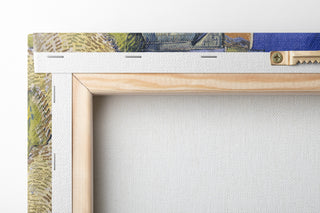
View from behind
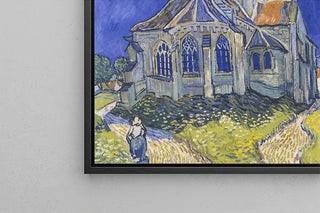
Frame (optional)
In the fascinating world of English baroque art, the "Letter" art print by Sir Peter Lely stands out for its delicacy and elegance. This painting, which captures an intimate moment, evokes an atmosphere of mystery and contemplation. By observing this work, the viewer is immediately transported into a universe where time seems suspended, where every detail is carefully thought out to evoke emotion. Lely, master of portraiture, manages to infuse his subjects with a life and depth that transcend the simple pictorial frame. The letter, a symbol of communication and intimacy, becomes here the pretext for an exploration of human relationships, feelings, and unspoken words.
Style and uniqueness of the work
The style of "The Letter" is characterized by a subtle use of light and shadow, typical of the baroque. Lely skillfully plays with reflections and textures, creating a soft and warm atmosphere. The chosen colors, delicate and nuanced, reinforce the sense of serenity emanating from the scene. The characters, dressed in sumptuous costumes, are depicted with striking realism, each fold of fabric and facial expression bearing witness to undeniable technical mastery. The work also stands out for its balanced composition, where elements are arranged to guide the viewer's gaze toward the focal point, this letter that seems to contain a precious secret. Thus, "The Letter" is not just a simple representation; it invites reflection on the nature of human exchanges and the meaning of words.
The artist and his influence
Sir Peter Lely, born in 1618 in the Netherlands, established himself in England where he became one of the most prominent portraitists of his time. His artistic journey is marked by an exceptional ability to capture the essence of his models, whether they are members of the nobility or influential court figures. Lely managed to incorporate Flemish and Italian influences into his work, creating a unique style that left a mark on 17th-century English art. His fame endured well beyond his death in 1680, and his influence is still felt among many contemporary artists. By exploring
Painting The Letter - Sir Peter Lely | Art print

-10% FROM €95 IN PURCHASES
-15% FROM €195 IN PURCHASES
Regular price
- Unit price
- per
Tax included.
Free shipping
€4.90 / Free shipping on orders over €39
Satisfied or Money Back
Free returns within 30 days
10-year warranty
Our prints are guaranteed for 10 years
Any questions? We are here!
by email to contact@artemlegrand.com
THE STEPS OF YOUR ORDER

STEP 1 - ORDER PLACED
Your order has been confirmed and we are starting production
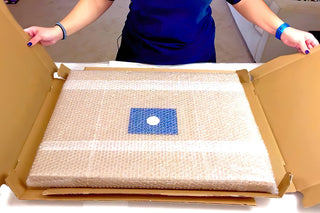
STEP 2 - SHIPPING
We ship your order. We send you an email to track the progress

STEP 3 - DELIVERY
You receive your order. You can also, according to your choice, be delivered to a relay point.
Matte finish
View from behind
Frame (optional)
In the fascinating world of English baroque art, the "Letter" art print by Sir Peter Lely stands out for its delicacy and elegance. This painting, which captures an intimate moment, evokes an atmosphere of mystery and contemplation. By observing this work, the viewer is immediately transported into a universe where time seems suspended, where every detail is carefully thought out to evoke emotion. Lely, master of portraiture, manages to infuse his subjects with a life and depth that transcend the simple pictorial frame. The letter, a symbol of communication and intimacy, becomes here the pretext for an exploration of human relationships, feelings, and unspoken words.
Style and uniqueness of the work
The style of "The Letter" is characterized by a subtle use of light and shadow, typical of the baroque. Lely skillfully plays with reflections and textures, creating a soft and warm atmosphere. The chosen colors, delicate and nuanced, reinforce the sense of serenity emanating from the scene. The characters, dressed in sumptuous costumes, are depicted with striking realism, each fold of fabric and facial expression bearing witness to undeniable technical mastery. The work also stands out for its balanced composition, where elements are arranged to guide the viewer's gaze toward the focal point, this letter that seems to contain a precious secret. Thus, "The Letter" is not just a simple representation; it invites reflection on the nature of human exchanges and the meaning of words.
The artist and his influence
Sir Peter Lely, born in 1618 in the Netherlands, established himself in England where he became one of the most prominent portraitists of his time. His artistic journey is marked by an exceptional ability to capture the essence of his models, whether they are members of the nobility or influential court figures. Lely managed to incorporate Flemish and Italian influences into his work, creating a unique style that left a mark on 17th-century English art. His fame endured well beyond his death in 1680, and his influence is still felt among many contemporary artists. By exploring
12,34 €