
Painting Les derniers instants de Ferdinand IV le Convoqué - José María Casado del Alisal | Art print


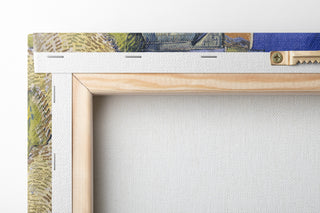
View from behind
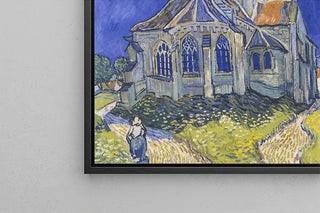
Frame (optional)
In the vast panorama of art history, some works stand out for their ability to capture moments of life, emotions, and historical narratives. "The Last Moments of Ferdinand IV the Summoned" by José María Casado del Alisal fits into this tradition with unparalleled evocative power. This piece, depicting the final moments of a fallen king's life, immerses the viewer in an atmosphere filled with melancholy and gravity. Through a carefully orchestrated composition, the artist manages to convey the intensity of human emotions in the face of death, while referencing a pivotal moment in Spanish history. The scene, rich in symbolism, invites deep reflection on destiny and the fragility of power.
Style and uniqueness of the work
Casado del Alisal's style is characterized by striking realism, combined with a romantic touch that gives his works an almost tangible dimension. In "The Last Moments of Ferdinand IV the Summoned," the meticulous details of the king's face, marked by suffering and resignation, are highlighted by dramatic lighting. The color palette, dominated by dark tones and warm shades, enhances the tragic atmosphere of the scene. Every character in the composition is carefully studied, from the despairing attitude of the courtiers to the resigned sadness of the queen. This attention to expressions and postures creates a strong emotional connection between the work and the viewer, making the experience immersive and poignant. The dynamic between shadow and light, as well as the depth of perspectives, testify to the artist's technical mastery, while reinforcing the narrative message of the piece.
The artist and his influence
José María Casado del Alisal, an emblematic figure of 19th-century Spain, knew how to mark his era through his commitment to historical representation and his ability to translate human feelings through painting. Trained in the great traditions of European art, he was able to incorporate diverse influences while developing a personal style that is uniquely his own. His work, often centered on historical themes, fits
Painting Les derniers instants de Ferdinand IV le Convoqué - José María Casado del Alisal | Art print

-10% FROM €95 IN PURCHASES
-15% FROM €195 IN PURCHASES
Regular price
- Unit price
- per
Tax included.
Free shipping
€4.90 / Free shipping on orders over €39
Satisfied or Money Back
Free returns within 30 days
10-year warranty
Our prints are guaranteed for 10 years
Any questions? We are here!
by email to contact@artemlegrand.com
THE STEPS OF YOUR ORDER

STEP 1 - ORDER PLACED
Your order has been confirmed and we are starting production

STEP 2 - SHIPPING
We ship your order. We send you an email to track the progress

STEP 3 - DELIVERY
You receive your order. You can also, according to your choice, be delivered to a relay point.
Matte finish
View from behind
Frame (optional)
In the vast panorama of art history, some works stand out for their ability to capture moments of life, emotions, and historical narratives. "The Last Moments of Ferdinand IV the Summoned" by José María Casado del Alisal fits into this tradition with unparalleled evocative power. This piece, depicting the final moments of a fallen king's life, immerses the viewer in an atmosphere filled with melancholy and gravity. Through a carefully orchestrated composition, the artist manages to convey the intensity of human emotions in the face of death, while referencing a pivotal moment in Spanish history. The scene, rich in symbolism, invites deep reflection on destiny and the fragility of power.
Style and uniqueness of the work
Casado del Alisal's style is characterized by striking realism, combined with a romantic touch that gives his works an almost tangible dimension. In "The Last Moments of Ferdinand IV the Summoned," the meticulous details of the king's face, marked by suffering and resignation, are highlighted by dramatic lighting. The color palette, dominated by dark tones and warm shades, enhances the tragic atmosphere of the scene. Every character in the composition is carefully studied, from the despairing attitude of the courtiers to the resigned sadness of the queen. This attention to expressions and postures creates a strong emotional connection between the work and the viewer, making the experience immersive and poignant. The dynamic between shadow and light, as well as the depth of perspectives, testify to the artist's technical mastery, while reinforcing the narrative message of the piece.
The artist and his influence
José María Casado del Alisal, an emblematic figure of 19th-century Spain, knew how to mark his era through his commitment to historical representation and his ability to translate human feelings through painting. Trained in the great traditions of European art, he was able to incorporate diverse influences while developing a personal style that is uniquely his own. His work, often centered on historical themes, fits
12,34 €