
Art print The Judgment of Paris - Jean-Baptiste Regnault


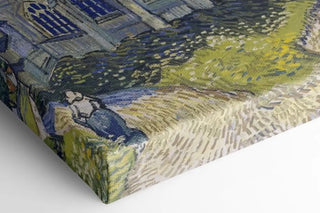
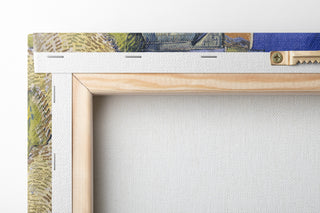
View from behind
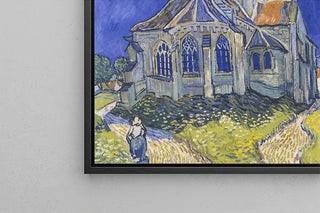
Frame (optional)
In the fascinating universe of art, some works transcend time and space, inviting viewers to immerse themselves in a mythological narrative rich in emotion. "The Judgment of Paris" by Jean-Baptiste Regnault is one of those creations that, through its boldness and depth, captures attention and sparks imagination. This painting, inspired by Greek mythology, tells the story of Paris, the Trojan prince, who is entrusted with the delicate task of choosing the most beautiful goddess among Hera, Athena, and Aphrodite. This choice, fraught with consequences, marks the beginning of a saga that will influence the history of mythology and literature. The art print of this iconic piece allows for a rediscovery of the intensity of human emotions and the complexity of relationships, while offering a glimpse into 18th-century aesthetics.
Style and uniqueness of the work
Jean-Baptiste Regnault's style is characterized by an exceptional mastery of light and color, creating an atmosphere that is both dramatic and elegant. In "The Judgment of Paris," the figures are rendered with remarkable anatomical precision, revealing the artist's talent for capturing human beauty. The sumptuous drapery of the goddesses' garments, as well as the nuanced expressions on their faces, testify to a thorough study of emotions. The composition is carefully orchestrated, with each element of the painting arranged to guide the viewer's gaze toward the center of the action. The dynamic between the characters, along with the choice of colors, evokes a palpable tension, making the decisive moment even more poignant. Regnault succeeds in immortalizing this moment of choice, where beauty and vanity meet, with such finesse that it results in a work of great expressive power.
The artist and his influence
Jean-Baptiste Regnault, a prominent figure of 18th-century French art, managed to combine tradition and innovation throughout his career. Trained at the Royal Academy of Painting and Sculpture, he was influenced by the great masters of the Renaissance, while developing a personal style that
Art print The Judgment of Paris - Jean-Baptiste Regnault

-10% FROM €95 IN PURCHASES
-15% FROM €195 IN PURCHASES
Regular price
- Unit price
- per
Tax included.
Free shipping
€4.90 / Free shipping on orders over €39
Satisfied or Money Back
Free returns within 30 days
10-year warranty
Our prints are guaranteed for 10 years
Any questions? We are here!
by email to contact@artemlegrand.com
THE STEPS OF YOUR ORDER

STEP 1 - ORDER PLACED
Your order has been confirmed and we are starting production
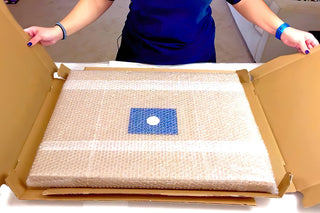
STEP 2 - SHIPPING
We ship your order. We send you an email to track the progress

STEP 3 - DELIVERY
You receive your order. You can also, according to your choice, be delivered to a relay point.
Matte finish
View from behind
Frame (optional)
In the fascinating universe of art, some works transcend time and space, inviting viewers to immerse themselves in a mythological narrative rich in emotion. "The Judgment of Paris" by Jean-Baptiste Regnault is one of those creations that, through its boldness and depth, captures attention and sparks imagination. This painting, inspired by Greek mythology, tells the story of Paris, the Trojan prince, who is entrusted with the delicate task of choosing the most beautiful goddess among Hera, Athena, and Aphrodite. This choice, fraught with consequences, marks the beginning of a saga that will influence the history of mythology and literature. The art print of this iconic piece allows for a rediscovery of the intensity of human emotions and the complexity of relationships, while offering a glimpse into 18th-century aesthetics.
Style and uniqueness of the work
Jean-Baptiste Regnault's style is characterized by an exceptional mastery of light and color, creating an atmosphere that is both dramatic and elegant. In "The Judgment of Paris," the figures are rendered with remarkable anatomical precision, revealing the artist's talent for capturing human beauty. The sumptuous drapery of the goddesses' garments, as well as the nuanced expressions on their faces, testify to a thorough study of emotions. The composition is carefully orchestrated, with each element of the painting arranged to guide the viewer's gaze toward the center of the action. The dynamic between the characters, along with the choice of colors, evokes a palpable tension, making the decisive moment even more poignant. Regnault succeeds in immortalizing this moment of choice, where beauty and vanity meet, with such finesse that it results in a work of great expressive power.
The artist and his influence
Jean-Baptiste Regnault, a prominent figure of 18th-century French art, managed to combine tradition and innovation throughout his career. Trained at the Royal Academy of Painting and Sculpture, he was influenced by the great masters of the Renaissance, while developing a personal style that
12,34 €