
Painting The Judgment of Jupiter - Samuel Finley Breese Morse | Art print


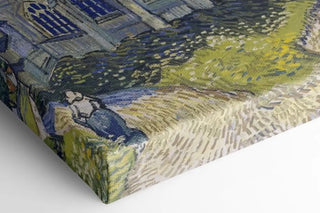
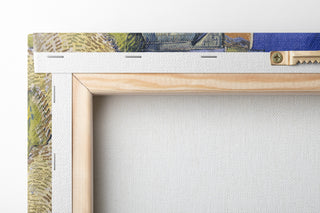
View from behind
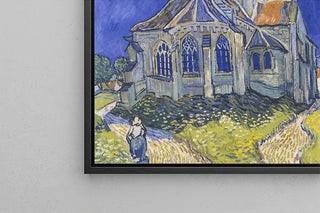
Frame (optional)
In the fascinating universe of art, some works transcend their era and capture the collective imagination. "The Judgment of Jupiter" by Samuel Finley Breese Morse perfectly fits into this category. This canvas, depicting a key moment from Greco-Roman mythology, evokes not only the grandeur of the gods but also the moral and aesthetic concerns of its time. The piece, with its dynamic composition and bold use of color, invites the viewer to immerse themselves in a rich narrative where mythology intertwines with reflection on the human condition.
Style and uniqueness of the work
Morse's style is distinguished by a neoclassical approach, emphasizing clarity, order, and a certain rigor in the depiction of figures. "The Judgment of Jupiter" is a perfect illustration of this aesthetic. The characters, sculptural and majestic, are arranged to create a circular movement, guiding the eye across the scene. The lighting, carefully orchestrated, highlights the features of the figures while creating shadows that add depth to the composition. The drapery of the clothing, fluid and realistic, demonstrates an exceptional mastery of texture rendering. This painting does not merely depict a mythological moment; it invites reflection on justice, power, and the responsibilities that follow.
The artist and his influence
Samuel Finley Breese Morse, primarily known for his role in inventing the telegraph, was also an accomplished painter. His artistic journey, although often overshadowed by his scientific contributions, deserves recognition. Morse studied at the Académie des Beaux-Arts in Paris, where he was influenced by the masters of neoclassicism. His commitment to painting and his desire to tell stories through art marked his work. "The Judgment of Jupiter" reflects this passion, combining refined technique with powerful storytelling. Morse's influence extends beyond his own creations; he also played a key role in promoting art in the United States, contributing to the emergence of a national artistic identity. His legacy endures through generations of
Painting The Judgment of Jupiter - Samuel Finley Breese Morse | Art print

-10% FROM €95 IN PURCHASES
-15% FROM €195 IN PURCHASES
Regular price
- Unit price
- per
Tax included.
Free shipping
€4.90 / Free shipping on orders over €39
Satisfied or Money Back
Free returns within 30 days
10-year warranty
Our prints are guaranteed for 10 years
Any questions? We are here!
by email to contact@artemlegrand.com
THE STEPS OF YOUR ORDER

STEP 1 - ORDER PLACED
Your order has been confirmed and we are starting production
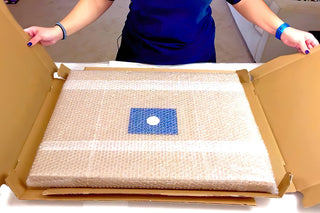
STEP 2 - SHIPPING
We ship your order. We send you an email to track the progress

STEP 3 - DELIVERY
You receive your order. You can also, according to your choice, be delivered to a relay point.
Matte finish
View from behind
Frame (optional)
In the fascinating universe of art, some works transcend their era and capture the collective imagination. "The Judgment of Jupiter" by Samuel Finley Breese Morse perfectly fits into this category. This canvas, depicting a key moment from Greco-Roman mythology, evokes not only the grandeur of the gods but also the moral and aesthetic concerns of its time. The piece, with its dynamic composition and bold use of color, invites the viewer to immerse themselves in a rich narrative where mythology intertwines with reflection on the human condition.
Style and uniqueness of the work
Morse's style is distinguished by a neoclassical approach, emphasizing clarity, order, and a certain rigor in the depiction of figures. "The Judgment of Jupiter" is a perfect illustration of this aesthetic. The characters, sculptural and majestic, are arranged to create a circular movement, guiding the eye across the scene. The lighting, carefully orchestrated, highlights the features of the figures while creating shadows that add depth to the composition. The drapery of the clothing, fluid and realistic, demonstrates an exceptional mastery of texture rendering. This painting does not merely depict a mythological moment; it invites reflection on justice, power, and the responsibilities that follow.
The artist and his influence
Samuel Finley Breese Morse, primarily known for his role in inventing the telegraph, was also an accomplished painter. His artistic journey, although often overshadowed by his scientific contributions, deserves recognition. Morse studied at the Académie des Beaux-Arts in Paris, where he was influenced by the masters of neoclassicism. His commitment to painting and his desire to tell stories through art marked his work. "The Judgment of Jupiter" reflects this passion, combining refined technique with powerful storytelling. Morse's influence extends beyond his own creations; he also played a key role in promoting art in the United States, contributing to the emergence of a national artistic identity. His legacy endures through generations of
12,34 €