
Painting L'homme malade - Laurits Andersen Ring | Art print


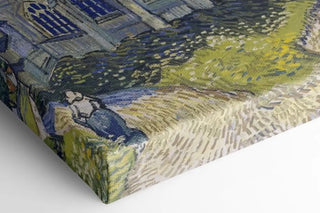
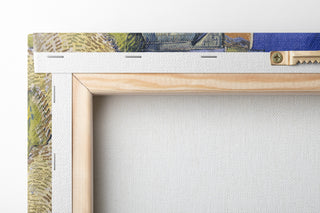
View from behind
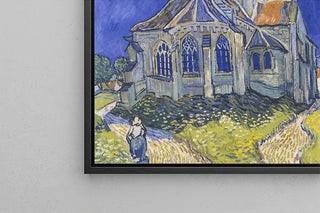
Frame (optional)
Reproduction L'homme malade - Laurits Andersen Ring – Engaging introduction
In the fascinating world of art, some works manage to capture the very essence of humanity, exploring profound and universal themes. "L'homme malade" by Laurits Andersen Ring fits perfectly into this category. This painting, imbued with palpable melancholy, invites us to delve into the intimacy of a moment of vulnerability. The scene depicts a man in bed, surrounded by the shadow of illness, while light filters through the window, creating a poignant contrast between hope and suffering. Through this artwork, the artist succeeds in establishing a dialogue between the viewer and the subject, prompting reflection on the fragility of life.
Style and uniqueness of the work
Laurits Andersen Ring's style is characterized by finesse of execution and meticulous attention to detail. In "L'homme malade," the artist uses soft colors and delicate nuances to evoke an atmosphere that is both intimate and contemplative. The composition is carefully orchestrated, with elements guiding the gaze toward the man's face, where complex emotions are read. Ring masters the art of chiaroscuro, creating light plays that emphasize the character's state of mind. This painting does not merely depict a scene; it tells a story, that of a man confronting his condition, while echoing universal human experiences. The artist's sensitivity is also evident in how he handles the subject of illness, with an approach imbued with compassion and respect.
The artist and his influence
Laurits Andersen Ring, an emblematic figure of Danish realism, knew how to mark his era with his unique vision and refined technique. Born in 1854, he was influenced by the great masters of the past while developing a style that is his own. Ring often focused on everyday life, capturing moments of tenderness, solitude, and melancholy. His training at the Royal Danish Academy of Fine Arts in Copenhagen allowed him to refine his talent, but it is his sensitivity to human emotions that sets him apart. By addressing themes such as illness, death, and solitude, he opened the
Painting L'homme malade - Laurits Andersen Ring | Art print

-10% FROM €95 IN PURCHASES
-15% FROM €195 IN PURCHASES
Regular price
- Unit price
- per
Tax included.
Free shipping
€4.90 / Free shipping on orders over €39
Satisfied or Money Back
Free returns within 30 days
10-year warranty
Our prints are guaranteed for 10 years
Any questions? We are here!
by email to contact@artemlegrand.com
THE STEPS OF YOUR ORDER

STEP 1 - ORDER PLACED
Your order has been confirmed and we are starting production
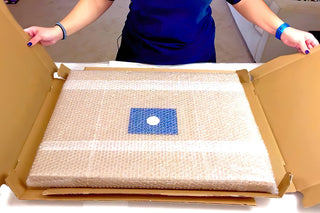
STEP 2 - SHIPPING
We ship your order. We send you an email to track the progress

STEP 3 - DELIVERY
You receive your order. You can also, according to your choice, be delivered to a relay point.
Matte finish
View from behind
Frame (optional)
Reproduction L'homme malade - Laurits Andersen Ring – Engaging introduction
In the fascinating world of art, some works manage to capture the very essence of humanity, exploring profound and universal themes. "L'homme malade" by Laurits Andersen Ring fits perfectly into this category. This painting, imbued with palpable melancholy, invites us to delve into the intimacy of a moment of vulnerability. The scene depicts a man in bed, surrounded by the shadow of illness, while light filters through the window, creating a poignant contrast between hope and suffering. Through this artwork, the artist succeeds in establishing a dialogue between the viewer and the subject, prompting reflection on the fragility of life.
Style and uniqueness of the work
Laurits Andersen Ring's style is characterized by finesse of execution and meticulous attention to detail. In "L'homme malade," the artist uses soft colors and delicate nuances to evoke an atmosphere that is both intimate and contemplative. The composition is carefully orchestrated, with elements guiding the gaze toward the man's face, where complex emotions are read. Ring masters the art of chiaroscuro, creating light plays that emphasize the character's state of mind. This painting does not merely depict a scene; it tells a story, that of a man confronting his condition, while echoing universal human experiences. The artist's sensitivity is also evident in how he handles the subject of illness, with an approach imbued with compassion and respect.
The artist and his influence
Laurits Andersen Ring, an emblematic figure of Danish realism, knew how to mark his era with his unique vision and refined technique. Born in 1854, he was influenced by the great masters of the past while developing a style that is his own. Ring often focused on everyday life, capturing moments of tenderness, solitude, and melancholy. His training at the Royal Danish Academy of Fine Arts in Copenhagen allowed him to refine his talent, but it is his sensitivity to human emotions that sets him apart. By addressing themes such as illness, death, and solitude, he opened the
12,34 €