
Art print of The Heir Prince Rodolphe on Horse - Tadeusz Ajdukiewicz


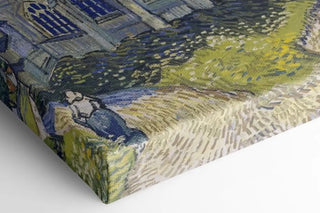
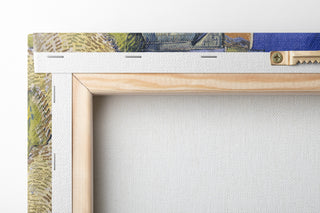
View from behind
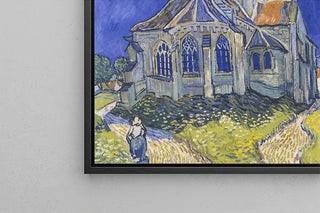
Frame (optional)
Art print of Le Prince Héritier Rodolphe à Cheval by Tadeusz Ajdukiewicz – Captivating introduction
In the fascinating world of art, some works transcend time and space, capturing the essence of an era while evoking deep emotions. "Le Prince Héritier Rodolphe à Cheval" by Tadeusz Ajdukiewicz is one of those creations that, through its rich narrative and refined aesthetics, invites immersive exploration. This painting, depicting the young prince on his steed, is much more than a simple equestrian representation; it reflects an era marked by splendor and court intrigues. Through this piece, the artist manages to breathe vibrant life into the subject, while offering a window into the history and culture of his time.
Style and uniqueness of the work
Tadeusz Ajdukiewicz's style is distinguished by an exceptional mastery of light and color. In "Le Prince Héritier Rodolphe à Cheval," the artist employs delicate nuances to create an atmosphere that is both dynamic and contemplative. The meticulous details of the prince's uniform, the rich texture of the horse's mane, and the surrounding landscape all demonstrate scrupulous attention to visual elements. Ajdukiewicz succeeds in capturing movement, making the horse appear almost alive, while the expression of the prince evokes both youth and the weight of upcoming responsibilities. This work is characterized by a harmonious balance between realism and romanticism, allowing viewers to feel an intimate connection with the depicted subject.
The artist and his influence
Tadeusz Ajdukiewicz, born in the heart of Poland, established himself as an emblematic figure of 19th-century art. Influenced by the artistic currents of his time, he integrated elements of realism while maintaining a romantic sensibility. His work is not limited to simple representation; he seeks to tell stories, to evoke emotions. Ajdukiewicz was also shaped by his environment, notably by his country's tumultuous history, which is reflected in his works. By choosing to paint historical figures and equestrian scenes, he contributed to
Art print of The Heir Prince Rodolphe on Horse - Tadeusz Ajdukiewicz

-10% FROM €95 IN PURCHASES
-15% FROM €195 IN PURCHASES
Regular price
- Unit price
- per
Tax included.
Free shipping
€4.90 / Free shipping on orders over €39
Satisfied or Money Back
Free returns within 30 days
10-year warranty
Our prints are guaranteed for 10 years
Any questions? We are here!
by email to contact@artemlegrand.com
THE STEPS OF YOUR ORDER
STEP 1 - ORDER PLACED
Your order has been confirmed and we are starting production
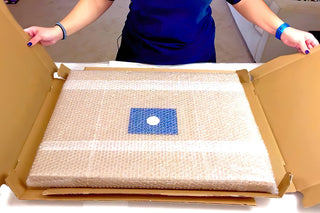
STEP 2 - SHIPPING
We ship your order. We send you an email to track the progress

STEP 3 - DELIVERY
You receive your order. You can also, according to your choice, be delivered to a relay point.
Matte finish
View from behind
Frame (optional)
Art print of Le Prince Héritier Rodolphe à Cheval by Tadeusz Ajdukiewicz – Captivating introduction
In the fascinating world of art, some works transcend time and space, capturing the essence of an era while evoking deep emotions. "Le Prince Héritier Rodolphe à Cheval" by Tadeusz Ajdukiewicz is one of those creations that, through its rich narrative and refined aesthetics, invites immersive exploration. This painting, depicting the young prince on his steed, is much more than a simple equestrian representation; it reflects an era marked by splendor and court intrigues. Through this piece, the artist manages to breathe vibrant life into the subject, while offering a window into the history and culture of his time.
Style and uniqueness of the work
Tadeusz Ajdukiewicz's style is distinguished by an exceptional mastery of light and color. In "Le Prince Héritier Rodolphe à Cheval," the artist employs delicate nuances to create an atmosphere that is both dynamic and contemplative. The meticulous details of the prince's uniform, the rich texture of the horse's mane, and the surrounding landscape all demonstrate scrupulous attention to visual elements. Ajdukiewicz succeeds in capturing movement, making the horse appear almost alive, while the expression of the prince evokes both youth and the weight of upcoming responsibilities. This work is characterized by a harmonious balance between realism and romanticism, allowing viewers to feel an intimate connection with the depicted subject.
The artist and his influence
Tadeusz Ajdukiewicz, born in the heart of Poland, established himself as an emblematic figure of 19th-century art. Influenced by the artistic currents of his time, he integrated elements of realism while maintaining a romantic sensibility. His work is not limited to simple representation; he seeks to tell stories, to evoke emotions. Ajdukiewicz was also shaped by his environment, notably by his country's tumultuous history, which is reflected in his works. By choosing to paint historical figures and equestrian scenes, he contributed to
12,34 €