
Art print Les marches du faucon à la mine de cuivre de Falun - Pehr Hilleström


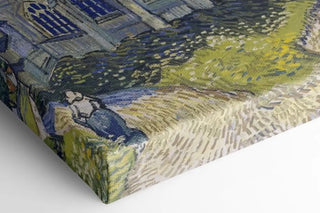
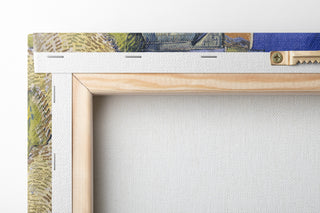
View from behind
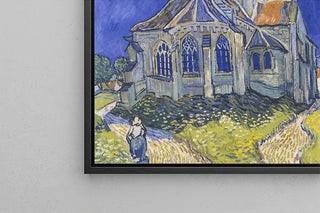
Frame (optional)
Pehr Hilleström's artwork "Les marches du faucon à la mine de cuivre de Falun" offers a captivating gateway into the world of 18th-century Swedish art. This painting, depicting a scene that is both lively and serene, immerses us in the daily lives of copper miners working in the Falun region, an iconic site whose exploitation has shaped Swedish economy and culture. Through this piece, Hilleström invites us to contemplate not only the diligent labor of these men but also the beauty of the surrounding landscapes, where nature and industry coexist harmoniously. This detailed representation allows us to appreciate the meticulousness with which the artist captured the very essence of his era.
Style and uniqueness of the work
Hilleström's style is characterized by a realistic approach and a keen attention to nuances of light and color. In "Les marches du faucon à la mine de cuivre de Falun," each human figure is carefully rendered, revealing expressions of effort and determination. The miners' clothing, in earthy tones, contrasts with the flashes of light illuminating the landscape, creating an atmosphere that is both vibrant and contemplative. The composition of the piece is also remarkable, with lines guiding the viewer's gaze across the painting, from the steep steps to the depths of the mine. This visual dynamism embodies movement and life, while also evoking a certain melancholy in the face of hard labor. Hilleström thus manages to transcend mere representation to offer a reflection on the harmony between man and his environment.
The artist and his influence
Pehr Hilleström, born in 1732, is one of the major figures of Swedish art in the 18th century, and his work reflects a pivotal period when realism began to assert itself against classical ideals. Influenced by European artistic currents, notably rococo and neoclassicism, Hilleström develops a style that is uniquely his own, blending observation
Art print Les marches du faucon à la mine de cuivre de Falun - Pehr Hilleström

-10% FROM €95 IN PURCHASES
-15% FROM €195 IN PURCHASES
Regular price
- Unit price
- per
Tax included.
Free shipping
€4.90 / Free shipping on orders over €39
Satisfied or Money Back
Free returns within 30 days
10-year warranty
Our prints are guaranteed for 10 years
Any questions? We are here!
by email to contact@artemlegrand.com
THE STEPS OF YOUR ORDER
STEP 1 - ORDER PLACED
Your order has been confirmed and we are starting production
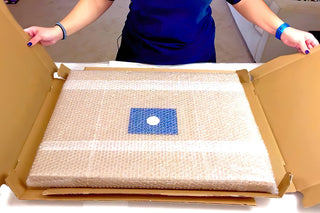
STEP 2 - SHIPPING
We ship your order. We send you an email to track the progress

STEP 3 - DELIVERY
You receive your order. You can also, according to your choice, be delivered to a relay point.
Matte finish
View from behind
Frame (optional)
Pehr Hilleström's artwork "Les marches du faucon à la mine de cuivre de Falun" offers a captivating gateway into the world of 18th-century Swedish art. This painting, depicting a scene that is both lively and serene, immerses us in the daily lives of copper miners working in the Falun region, an iconic site whose exploitation has shaped Swedish economy and culture. Through this piece, Hilleström invites us to contemplate not only the diligent labor of these men but also the beauty of the surrounding landscapes, where nature and industry coexist harmoniously. This detailed representation allows us to appreciate the meticulousness with which the artist captured the very essence of his era.
Style and uniqueness of the work
Hilleström's style is characterized by a realistic approach and a keen attention to nuances of light and color. In "Les marches du faucon à la mine de cuivre de Falun," each human figure is carefully rendered, revealing expressions of effort and determination. The miners' clothing, in earthy tones, contrasts with the flashes of light illuminating the landscape, creating an atmosphere that is both vibrant and contemplative. The composition of the piece is also remarkable, with lines guiding the viewer's gaze across the painting, from the steep steps to the depths of the mine. This visual dynamism embodies movement and life, while also evoking a certain melancholy in the face of hard labor. Hilleström thus manages to transcend mere representation to offer a reflection on the harmony between man and his environment.
The artist and his influence
Pehr Hilleström, born in 1732, is one of the major figures of Swedish art in the 18th century, and his work reflects a pivotal period when realism began to assert itself against classical ideals. Influenced by European artistic currents, notably rococo and neoclassicism, Hilleström develops a style that is uniquely his own, blending observation
12,34 €