
Art print The Great Red Dragon and the Beast of the Sea - William Blake | Art print


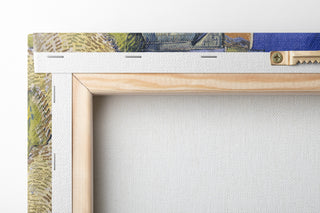
View from behind
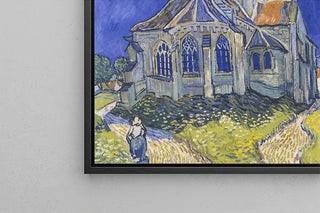
Frame (optional)
In the fascinating universe of art, some works stand out for their ability to capture the imagination and transcend eras. "The Great Red Dragon and the Beast of the Sea" by William Blake is a striking example. This piece, both mythic and symbolic, evokes universal themes such as the battle between good and evil, the power of nature, and the mysteries of spirituality. Through this bold representation, Blake invites us to dive into a world where the fantastic borders on reality, and where every detail seems imbued with meaning. The artwork, with its visual intensity and enchanting atmosphere, captivates the viewer and encourages exploration of the depths of their own imagination.
Style and uniqueness of the work
Blake's style is undeniably unique, blending elements of Romanticism with a visionary approach that is entirely his own. "The Great Red Dragon and the Beast of the Sea" stands out through its daring use of color and light, creating a striking contrast between mythological figures and the tumultuous background. The dragon, symbol of raw strength, is depicted in all its majesty, with shimmering scales and piercing eyes, while the Beast of the Sea, with its fluid and sinuous shapes, evokes an indomitable power. Blake manages to breathe vibrant life into his characters, almost tangible, thanks to precise drawing techniques and mastery of shadows that give extraordinary depth to the artwork. Every element, every curve, every color is carefully thought out to evoke an emotion, a feeling, allowing the viewer to sense the dramatic tension emanating from this mythological scene.
The artist and his influence
William Blake, poet, painter, and engraver of the 18th century, is often regarded as one of the pioneers of Romanticism. His artistic vision, deeply rooted in personal spirituality, led him to explore mystical and symbolic themes that still resonate today. Blake transcended his era by moving away from the academic conventions of his time, favoring an intuitive and personal approach to the art.
Art print The Great Red Dragon and the Beast of the Sea - William Blake | Art print

-10% FROM €95 IN PURCHASES
-15% FROM €195 IN PURCHASES
Regular price
- Unit price
- per
Tax included.
Free shipping
€4.90 / Free shipping on orders over €39
Satisfied or Money Back
Free returns within 30 days
10-year warranty
Our prints are guaranteed for 10 years
Any questions? We are here!
by email to contact@artemlegrand.com
THE STEPS OF YOUR ORDER

STEP 1 - ORDER PLACED
Your order has been confirmed and we are starting production

STEP 2 - SHIPPING
We ship your order. We send you an email to track the progress

STEP 3 - DELIVERY
You receive your order. You can also, according to your choice, be delivered to a relay point.
Matte finish
View from behind
Frame (optional)
In the fascinating universe of art, some works stand out for their ability to capture the imagination and transcend eras. "The Great Red Dragon and the Beast of the Sea" by William Blake is a striking example. This piece, both mythic and symbolic, evokes universal themes such as the battle between good and evil, the power of nature, and the mysteries of spirituality. Through this bold representation, Blake invites us to dive into a world where the fantastic borders on reality, and where every detail seems imbued with meaning. The artwork, with its visual intensity and enchanting atmosphere, captivates the viewer and encourages exploration of the depths of their own imagination.
Style and uniqueness of the work
Blake's style is undeniably unique, blending elements of Romanticism with a visionary approach that is entirely his own. "The Great Red Dragon and the Beast of the Sea" stands out through its daring use of color and light, creating a striking contrast between mythological figures and the tumultuous background. The dragon, symbol of raw strength, is depicted in all its majesty, with shimmering scales and piercing eyes, while the Beast of the Sea, with its fluid and sinuous shapes, evokes an indomitable power. Blake manages to breathe vibrant life into his characters, almost tangible, thanks to precise drawing techniques and mastery of shadows that give extraordinary depth to the artwork. Every element, every curve, every color is carefully thought out to evoke an emotion, a feeling, allowing the viewer to sense the dramatic tension emanating from this mythological scene.
The artist and his influence
William Blake, poet, painter, and engraver of the 18th century, is often regarded as one of the pioneers of Romanticism. His artistic vision, deeply rooted in personal spirituality, led him to explore mystical and symbolic themes that still resonate today. Blake transcended his era by moving away from the academic conventions of his time, favoring an intuitive and personal approach to the art.
12,34 €