
Painting The Big Bather - Paul Cézanne | Art print Source: Tableau Le Grand Baigneur - Paul Cézanne | Reproduction


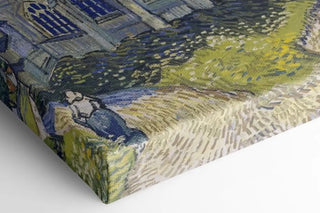
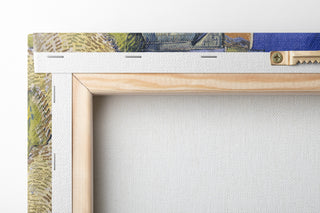
View from behind
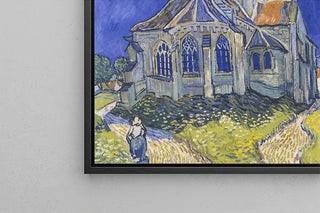
Frame (optional)
In the fascinating universe of art, some works transcend their era to become timeless symbols of creativity and emotion. "The Big Bathing Figure" by Paul Cézanne is one of those masterpieces that capture the very essence of human nature and beauty. This painting, depicting a male figure at rest, evokes deep sensitivity and a reflection on form and color that characterize Cézanne's work. Through this piece, the artist invites us to contemplate not only the subject but also how light and shadow interact to create a unique atmosphere. Far from being a simple portrait, this work is an exploration of life and bodily presence.
Style and uniqueness of the work
Cézanne's style is often described as a bridge between Post-Impressionism and Cubism, and "The Big Bathing Figure" perfectly illustrates this transition. The composition, although seemingly simple, reveals underlying complexity through bold use of color and shapes. The warm, earthy tones enveloping the bathers create a sensation of warmth and comfort, while the slightly blurred contours of the figure hint at the artist's distinctive technique. Cézanne does not merely reproduce reality; he reinvents it, offering a personal vision that invites the viewer to immerse themselves in the moment. Every brushstroke seems charged with emotion, transforming an ordinary scene into a striking visual experience.
The artist and his influence
Paul Cézanne, often regarded as the father of modernity, profoundly influenced the course of art in the 20th century. Born in 1839 in France, he dedicated his life to exploring the relationships between form, color, and light. His innovations paved the way for numerous artistic movements, notably Cubism, whose pioneers such as Picasso and Braque were inspired by his ideas. "The Big Bathing Figure" is emblematic of this relentless quest for artistic truth. Through this work, Cézanne shows us that art is not limited to the representation of reality but is a personal interpretation, a reflection on our
Painting The Big Bather - Paul Cézanne | Art print Source: Tableau Le Grand Baigneur - Paul Cézanne | Reproduction

-10% FROM €95 IN PURCHASES
-15% FROM €195 IN PURCHASES
Regular price
- Unit price
- per
Tax included.
Free shipping
€4.90 / Free shipping on orders over €39
Satisfied or Money Back
Free returns within 30 days
10-year warranty
Our prints are guaranteed for 10 years
Any questions? We are here!
by email to contact@artemlegrand.com
THE STEPS OF YOUR ORDER

STEP 1 - ORDER PLACED
Your order has been confirmed and we are starting production
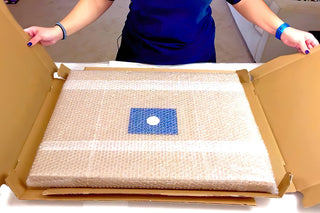
STEP 2 - SHIPPING
We ship your order. We send you an email to track the progress

STEP 3 - DELIVERY
You receive your order. You can also, according to your choice, be delivered to a relay point.
Matte finish
View from behind
Frame (optional)
In the fascinating universe of art, some works transcend their era to become timeless symbols of creativity and emotion. "The Big Bathing Figure" by Paul Cézanne is one of those masterpieces that capture the very essence of human nature and beauty. This painting, depicting a male figure at rest, evokes deep sensitivity and a reflection on form and color that characterize Cézanne's work. Through this piece, the artist invites us to contemplate not only the subject but also how light and shadow interact to create a unique atmosphere. Far from being a simple portrait, this work is an exploration of life and bodily presence.
Style and uniqueness of the work
Cézanne's style is often described as a bridge between Post-Impressionism and Cubism, and "The Big Bathing Figure" perfectly illustrates this transition. The composition, although seemingly simple, reveals underlying complexity through bold use of color and shapes. The warm, earthy tones enveloping the bathers create a sensation of warmth and comfort, while the slightly blurred contours of the figure hint at the artist's distinctive technique. Cézanne does not merely reproduce reality; he reinvents it, offering a personal vision that invites the viewer to immerse themselves in the moment. Every brushstroke seems charged with emotion, transforming an ordinary scene into a striking visual experience.
The artist and his influence
Paul Cézanne, often regarded as the father of modernity, profoundly influenced the course of art in the 20th century. Born in 1839 in France, he dedicated his life to exploring the relationships between form, color, and light. His innovations paved the way for numerous artistic movements, notably Cubism, whose pioneers such as Picasso and Braque were inspired by his ideas. "The Big Bathing Figure" is emblematic of this relentless quest for artistic truth. Through this work, Cézanne shows us that art is not limited to the representation of reality but is a personal interpretation, a reflection on our
12,34 €