
Art print La diseuse de bonne aventure - Édouard Frédéric Wilhelm Richter


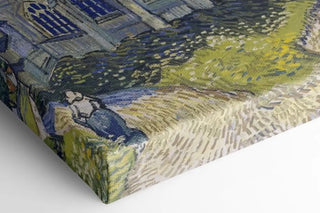
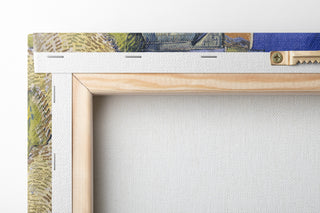
View from behind
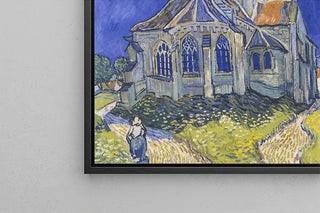
Frame (optional)
In the fascinating world of art, some works stand out for their ability to capture the very essence of humanity. "The Fortune Teller" by Édouard Frédéric Wilhelm Richter is one of those creations that transcend the mere frame to immerse the viewer in an atmosphere filled with mystery and curiosity. This painting, created in the 19th century, invites an exploration of themes such as destiny, superstition, and human interactions. By contemplating this piece, we are transported to a world where the real and the esoteric meet, awakening in us a sense of wonder and inquiry.
Style and uniqueness of the work
Richter's style is distinguished by its striking realism, which gives his characters remarkable psychological depth. In "The Fortune Teller," every detail is meticulously crafted, from facial expressions to the draping of clothing, demonstrating exceptional craftsmanship. The composition, centered on the interaction between the fortune teller and her client, creates a captivating dynamic. The colors, both rich and nuanced, enhance this intimate atmosphere. The lighting, subtly manipulated, plays a crucial role in highlighting the faces and creating shadows that add an extra dimension to the scene. Thus, Richter manages to capture a fleeting moment, an emotionally charged encounter, where the future seems suspended in the air.
The artist and his influence
Édouard Frédéric Wilhelm Richter, although less well-known than some of his contemporaries, made his mark on his era with his unique approach to painting. Originally from Germany, he navigated between various artistic influences, integrating elements of Romanticism and Realism into his works. His ability to depict scenes of everyday life with such emotional intensity made him a respected artist. In addition to his impeccable technique, Richter is recognized for his sensitivity to human psychology, which is reflected in the interactions of his characters. His influence endures, inspiring many contemporary artists who seek to explore the complexities of the human soul through their art.
A wall decoration of
Art print La diseuse de bonne aventure - Édouard Frédéric Wilhelm Richter

-10% FROM €95 IN PURCHASES
-15% FROM €195 IN PURCHASES
Regular price
- Unit price
- per
Tax included.
Free shipping
€4.90 / Free shipping on orders over €39
Satisfied or Money Back
Free returns within 30 days
10-year warranty
Our prints are guaranteed for 10 years
Any questions? We are here!
by email to contact@artemlegrand.com
THE STEPS OF YOUR ORDER

STEP 1 - ORDER PLACED
Your order has been confirmed and we are starting production
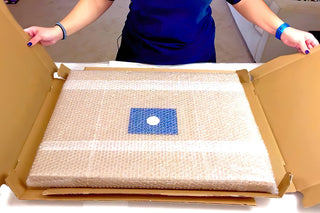
STEP 2 - SHIPPING
We ship your order. We send you an email to track the progress

STEP 3 - DELIVERY
You receive your order. You can also, according to your choice, be delivered to a relay point.
Matte finish
View from behind
Frame (optional)
In the fascinating world of art, some works stand out for their ability to capture the very essence of humanity. "The Fortune Teller" by Édouard Frédéric Wilhelm Richter is one of those creations that transcend the mere frame to immerse the viewer in an atmosphere filled with mystery and curiosity. This painting, created in the 19th century, invites an exploration of themes such as destiny, superstition, and human interactions. By contemplating this piece, we are transported to a world where the real and the esoteric meet, awakening in us a sense of wonder and inquiry.
Style and uniqueness of the work
Richter's style is distinguished by its striking realism, which gives his characters remarkable psychological depth. In "The Fortune Teller," every detail is meticulously crafted, from facial expressions to the draping of clothing, demonstrating exceptional craftsmanship. The composition, centered on the interaction between the fortune teller and her client, creates a captivating dynamic. The colors, both rich and nuanced, enhance this intimate atmosphere. The lighting, subtly manipulated, plays a crucial role in highlighting the faces and creating shadows that add an extra dimension to the scene. Thus, Richter manages to capture a fleeting moment, an emotionally charged encounter, where the future seems suspended in the air.
The artist and his influence
Édouard Frédéric Wilhelm Richter, although less well-known than some of his contemporaries, made his mark on his era with his unique approach to painting. Originally from Germany, he navigated between various artistic influences, integrating elements of Romanticism and Realism into his works. His ability to depict scenes of everyday life with such emotional intensity made him a respected artist. In addition to his impeccable technique, Richter is recognized for his sensitivity to human psychology, which is reflected in the interactions of his characters. His influence endures, inspiring many contemporary artists who seek to explore the complexities of the human soul through their art.
A wall decoration of
12,34 €