
Painting La Fête De Montrouge - Gabriel Boutet | Art print


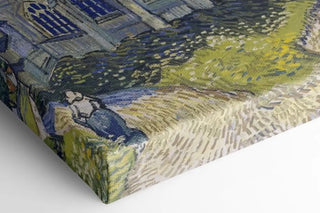
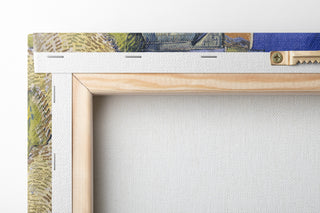
View from behind
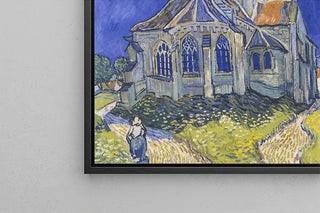
Frame (optional)
In the artistic landscape of the early 20th century, "La Fête De Montrouge" by Gabriel Boutet stands out for its vibrant atmosphere and exploration of human interactions. This artwork, imbued with joy and conviviality, transports us to the heart of a popular celebration, where characters come alive in a ballet of colors and shapes. The artist manages to capture the very essence of social life of his time, thus revealing a facet of French culture that still resonates today. The art print of this piece offers a unique opportunity to immerse oneself in a universe where merriment and harmony meet, making each glance an invitation to the celebration.
Style and uniqueness of the work
Gabriel Boutet's style is characterized by a bold approach to colorism and a dynamic composition. "La Fête De Montrouge" perfectly illustrates this aesthetic, where vivid hues intertwine to create a festive atmosphere. The characters, although stylized, possess an expressiveness that transcends mere decoration. Every face, every gesture, tells a story, inviting the viewer to become immersed in this scene of life. The artist skillfully plays with light and shadow, imparting unprecedented depth to his characters while maintaining a palpable lightness. The fusion of natural elements and human figures demonstrates a technical mastery that makes this art print a true masterpiece of its time.
The artist and his influence
Gabriel Boutet, an emblematic figure of French art, navigated between tradition and modernity. His career, marked by various influences, was shaped by the artistic movements of his era, notably Fauvism and Impressionism. Boutet mastered these styles to develop a unique voice, combining a sensitivity to color with a deep understanding of human interactions. His work, although sometimes little known, left an indelible mark on his contemporaries and inspired many artists to explore themes of daily life and social relationships. Through "La Fête De Montrouge," he offers us an optimistic and lively vision of society, a celebration that still resonates today.
Painting La Fête De Montrouge - Gabriel Boutet | Art print

-10% FROM €95 IN PURCHASES
-15% FROM €195 IN PURCHASES
Regular price
- Unit price
- by
Free shipping
€4.90 / Free shipping on orders over €39
Satisfied or Money Back
Free returns within 30 days
10-year warranty
Our prints are guaranteed for 10 years
Any questions? We are here!
by email to contact@artemlegrand.com
THE STEPS OF YOUR ORDER

STEP 1 - ORDER PLACED
Your order has been confirmed and we are starting production
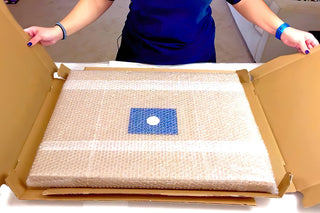
STEP 2 - SHIPPING
We ship your order. We send you an email to track the progress

STEP 3 - DELIVERY
You receive your order. You can also, according to your choice, be delivered to a relay point.
Matte finish
View from behind
Frame (optional)
In the artistic landscape of the early 20th century, "La Fête De Montrouge" by Gabriel Boutet stands out for its vibrant atmosphere and exploration of human interactions. This artwork, imbued with joy and conviviality, transports us to the heart of a popular celebration, where characters come alive in a ballet of colors and shapes. The artist manages to capture the very essence of social life of his time, thus revealing a facet of French culture that still resonates today. The art print of this piece offers a unique opportunity to immerse oneself in a universe where merriment and harmony meet, making each glance an invitation to the celebration.
Style and uniqueness of the work
Gabriel Boutet's style is characterized by a bold approach to colorism and a dynamic composition. "La Fête De Montrouge" perfectly illustrates this aesthetic, where vivid hues intertwine to create a festive atmosphere. The characters, although stylized, possess an expressiveness that transcends mere decoration. Every face, every gesture, tells a story, inviting the viewer to become immersed in this scene of life. The artist skillfully plays with light and shadow, imparting unprecedented depth to his characters while maintaining a palpable lightness. The fusion of natural elements and human figures demonstrates a technical mastery that makes this art print a true masterpiece of its time.
The artist and his influence
Gabriel Boutet, an emblematic figure of French art, navigated between tradition and modernity. His career, marked by various influences, was shaped by the artistic movements of his era, notably Fauvism and Impressionism. Boutet mastered these styles to develop a unique voice, combining a sensitivity to color with a deep understanding of human interactions. His work, although sometimes little known, left an indelible mark on his contemporaries and inspired many artists to explore themes of daily life and social relationships. Through "La Fête De Montrouge," he offers us an optimistic and lively vision of society, a celebration that still resonates today.