
Painting L'Érection de la Croix - Peter Paul Rubens | Art print


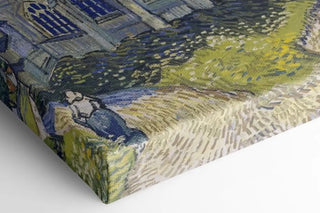
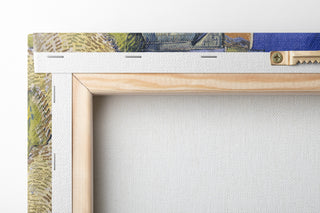
View from behind
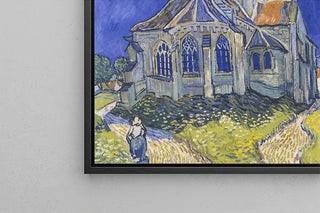
Frame (optional)
Reproduction of The Elevation of the Cross - Peter Paul Rubens – Engaging introduction
The artwork "The Elevation of the Cross" by Peter Paul Rubens is a masterpiece of Flemish Baroque, transporting viewers to the heart of a dramatic and emotional scene. Painted in the early 17th century, this iconic canvas illustrates passion and sacrifice, while showcasing the technical virtuosity of its creator. By contemplating this work, one is immediately immersed in a powerful narrative, where each character, movement, and color seems to vibrate with palpable intensity. The art print of this piece allows appreciation not only of its masterful composition but also of the emotion it evokes, paying homage to a pivotal moment in Christian history.
Style and uniqueness of the work
Rubens' style is characterized by bold use of color and a dynamic sense of movement that transcends the canvas. In "The Elevation of the Cross," the human figures are rendered with such force that one almost feels the physical tension of the action. The muscular bodies, sculpted with precision, appear to contort in a collective effort to raise the cross. Light plays a fundamental role, highlighting faces marked by suffering and determination, while creating a striking contrast between shadow and light. Rubens does not merely depict a religious scene; he transforms it into a true spectacle, where theatricality and emotion combine to captivate the eye and mind. This unique approach makes "The Elevation of the Cross" an unforgettable work, where every detail contributes to the whole, inviting viewers to reflect on themes of faith, sacrifice, and redemption.
The artist and his influence
Peter Paul Rubens, an emblematic figure of Baroque painting, left his mark on his era through his ability to blend classical art with modern sensibility. Born in 1577 in Siegen, he was trained in Italy, where he absorbed techniques from great masters like Titian and Caravaggio. His return to Flanders was decisive, as he then began developing a style that was uniquely his own, combining sensuality, movement, and emotion. Rubens not only influenced his
Painting L'Érection de la Croix - Peter Paul Rubens | Art print

-10% FROM €95 IN PURCHASES
-15% FROM €195 IN PURCHASES
Regular price
- Unit price
- per
Tax included.
Free shipping
€4.90 / Free shipping on orders over €39
Satisfied or Money Back
Free returns within 30 days
10-year warranty
Our prints are guaranteed for 10 years
Any questions? We are here!
by email to contact@artemlegrand.com
THE STEPS OF YOUR ORDER

STEP 1 - ORDER PLACED
Your order has been confirmed and we are starting production
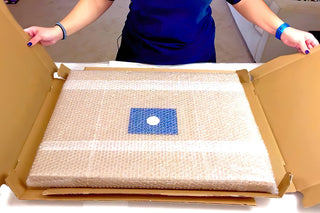
STEP 2 - SHIPPING
We ship your order. We send you an email to track the progress

STEP 3 - DELIVERY
You receive your order. You can also, according to your choice, be delivered to a relay point.
Matte finish
View from behind
Frame (optional)
Reproduction of The Elevation of the Cross - Peter Paul Rubens – Engaging introduction
The artwork "The Elevation of the Cross" by Peter Paul Rubens is a masterpiece of Flemish Baroque, transporting viewers to the heart of a dramatic and emotional scene. Painted in the early 17th century, this iconic canvas illustrates passion and sacrifice, while showcasing the technical virtuosity of its creator. By contemplating this work, one is immediately immersed in a powerful narrative, where each character, movement, and color seems to vibrate with palpable intensity. The art print of this piece allows appreciation not only of its masterful composition but also of the emotion it evokes, paying homage to a pivotal moment in Christian history.
Style and uniqueness of the work
Rubens' style is characterized by bold use of color and a dynamic sense of movement that transcends the canvas. In "The Elevation of the Cross," the human figures are rendered with such force that one almost feels the physical tension of the action. The muscular bodies, sculpted with precision, appear to contort in a collective effort to raise the cross. Light plays a fundamental role, highlighting faces marked by suffering and determination, while creating a striking contrast between shadow and light. Rubens does not merely depict a religious scene; he transforms it into a true spectacle, where theatricality and emotion combine to captivate the eye and mind. This unique approach makes "The Elevation of the Cross" an unforgettable work, where every detail contributes to the whole, inviting viewers to reflect on themes of faith, sacrifice, and redemption.
The artist and his influence
Peter Paul Rubens, an emblematic figure of Baroque painting, left his mark on his era through his ability to blend classical art with modern sensibility. Born in 1577 in Siegen, he was trained in Italy, where he absorbed techniques from great masters like Titian and Caravaggio. His return to Flanders was decisive, as he then began developing a style that was uniquely his own, combining sensuality, movement, and emotion. Rubens not only influenced his
12,34 €