
Painting The Duke of Reichstadt - Moritz Michael Daffinger | Art print


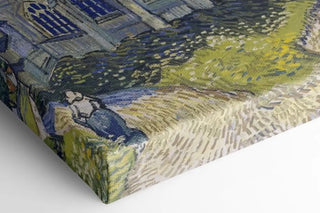
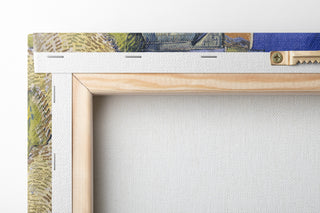
View from behind
Frame (optional)
Art print of The Duke of Reichstadt - Moritz Michael Daffinger – Captivating Introduction
In the fascinating universe of art, some works transcend their era to become timeless witnesses of history. "The Duke of Reichstadt" by Moritz Michael Daffinger, painted in the early 19th century, embodies this essence. This portrait, which captures the melancholy and nobility of a young man with a tragic destiny, immerses us in a narrative filled with nostalgia. The Duke of Reichstadt, son of Napoleon Bonaparte, is depicted with an intensity that invites reflection on his legacy and the expectations placed upon him. Through this painting, Daffinger does not merely represent an individual; he immortalizes an era, a fallen dream, and a lineage marked by the shadow of past greatness.
Style and uniqueness of the work
Daffinger's style is distinguished by its finesse and attention to detail, characteristic of court portraits. In "The Duke of Reichstadt," the oil painting technique highlights the texture of the clothing and the softness of the young man's skin. The nuances of color, ranging from dark tones to luminous highlights, create a depth that brings the duke's face to life. The latter, dressed in a military uniform, displays a posture that is both resigned and dignified, as if carrying the weight of the world on his shoulders. The eyes, a penetrating blue, seem to scrutinize the soul of the viewer, establishing a powerful emotional connection. This ability to capture human essence is what makes Daffinger's work so singular and timeless, offering a window into the feelings and thoughts of a young man caught in the whirlwind of history.
The artist and his influence
Moritz Michael Daffinger, born in 1790, was an Austrian painter whose work is often associated with the tradition of romantic portraiture. Trained in Vienna, he mastered a style that combined neoclassical and romantic influences, creating a unique style that marked his era. Daffinger had the opportunity to work with court personalities, which allowed him to refine his art and explore the subtleties of human psychology through painting.
Painting The Duke of Reichstadt - Moritz Michael Daffinger | Art print

-10% FROM €95 IN PURCHASES
-15% FROM €195 IN PURCHASES
Regular price
- Unit price
- per
Tax included.
Free shipping
€4.90 / Free shipping on orders over €39
Satisfied or Money Back
Free returns within 30 days
10-year warranty
Our prints are guaranteed for 10 years
Any questions? We are here!
by email to contact@artemlegrand.com
THE STEPS OF YOUR ORDER
STEP 1 - ORDER PLACED
Your order has been confirmed and we are starting production
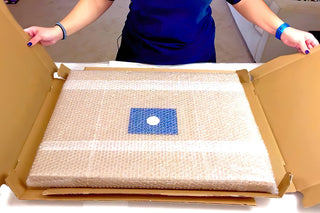
STEP 2 - SHIPPING
We ship your order. We send you an email to track the progress

STEP 3 - DELIVERY
You receive your order. You can also, according to your choice, be delivered to a relay point.
Matte finish
View from behind
Frame (optional)
Art print of The Duke of Reichstadt - Moritz Michael Daffinger – Captivating Introduction
In the fascinating universe of art, some works transcend their era to become timeless witnesses of history. "The Duke of Reichstadt" by Moritz Michael Daffinger, painted in the early 19th century, embodies this essence. This portrait, which captures the melancholy and nobility of a young man with a tragic destiny, immerses us in a narrative filled with nostalgia. The Duke of Reichstadt, son of Napoleon Bonaparte, is depicted with an intensity that invites reflection on his legacy and the expectations placed upon him. Through this painting, Daffinger does not merely represent an individual; he immortalizes an era, a fallen dream, and a lineage marked by the shadow of past greatness.
Style and uniqueness of the work
Daffinger's style is distinguished by its finesse and attention to detail, characteristic of court portraits. In "The Duke of Reichstadt," the oil painting technique highlights the texture of the clothing and the softness of the young man's skin. The nuances of color, ranging from dark tones to luminous highlights, create a depth that brings the duke's face to life. The latter, dressed in a military uniform, displays a posture that is both resigned and dignified, as if carrying the weight of the world on his shoulders. The eyes, a penetrating blue, seem to scrutinize the soul of the viewer, establishing a powerful emotional connection. This ability to capture human essence is what makes Daffinger's work so singular and timeless, offering a window into the feelings and thoughts of a young man caught in the whirlwind of history.
The artist and his influence
Moritz Michael Daffinger, born in 1790, was an Austrian painter whose work is often associated with the tradition of romantic portraiture. Trained in Vienna, he mastered a style that combined neoclassical and romantic influences, creating a unique style that marked his era. Daffinger had the opportunity to work with court personalities, which allowed him to refine his art and explore the subtleties of human psychology through painting.
12,34 €