
Art print The Flood - Friedrich Matthäi | Art print


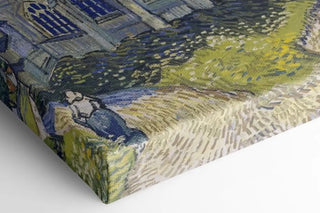
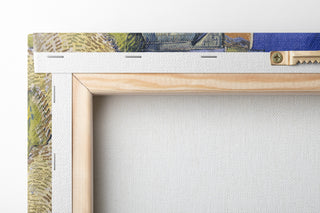
View from behind
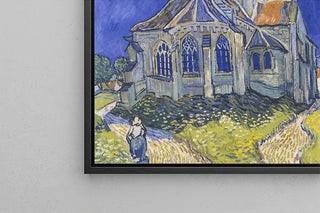
Frame (optional)
In the rich and tumultuous universe of art history, some works manage to capture the very essence of human emotions and significant events in our history. "The Flood" by Friedrich Matthäi is one of those creations that evoke both fascination and reflection. This iconic piece, inspired by the biblical story of the flood, immerses us in a world where nature runs wild, revealing the fragility of human existence in the face of the power of the elements. The art print of this work not only allows appreciation of its aesthetic beauty but also offers an opportunity to explore the universal themes it addresses, such as destruction, renewal, and hope.
Style and uniqueness of the work
"The Flood" stands out for its style that is both dramatic and poetic. Matthäi uses vibrant colors and striking contrasts to create an atmosphere of palpable tension. The dark clouds, heavy with rain, seem to gather above a stormy landscape, while tumultuous waves evoke a raging sea. The human figures, often depicted in desperate postures, add an emotional dimension to the scene, reminding us of human vulnerability in the face of nature. The composition is carefully orchestrated, with each element arranged to guide the viewer’s eye across the painting, thus reinforcing the idea of an inexorable movement toward catastrophe. This unique style, blending realism and expressionism, makes "The Flood" a work of great visual and symbolic power.
The artist and his influence
Friedrich Matthäi, though less well-known than some of his contemporaries, managed to leave his mark on his era through evocative works. Trained within the artistic context of the 19th century, he was influenced by the great masters of Romantic painting, while developing a personal style that is uniquely his own. Matthäi is particularly interested in themes of nature and the human condition, seeking to express the deep emotions these subjects evoke. His work on "The Flood" fits within an artistic tradition that questions the relationship between man and nature, challenging our place in a world that is often hostile.
Art print The Flood - Friedrich Matthäi | Art print

-10% FROM €95 IN PURCHASES
-15% FROM €195 IN PURCHASES
Regular price
- Unit price
- by
Free shipping
€4.90 / Free shipping on orders over €39
Satisfied or Money Back
Free returns within 30 days
10-year warranty
Our prints are guaranteed for 10 years
Any questions? We are here!
by email to contact@artemlegrand.com
THE STEPS OF YOUR ORDER

STEP 1 - ORDER PLACED
Your order has been confirmed and we are starting production
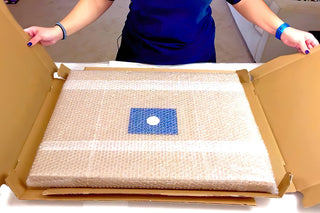
STEP 2 - SHIPPING
We ship your order. We send you an email to track the progress

STEP 3 - DELIVERY
You receive your order. You can also, according to your choice, be delivered to a relay point.
Matte finish
View from behind
Frame (optional)
In the rich and tumultuous universe of art history, some works manage to capture the very essence of human emotions and significant events in our history. "The Flood" by Friedrich Matthäi is one of those creations that evoke both fascination and reflection. This iconic piece, inspired by the biblical story of the flood, immerses us in a world where nature runs wild, revealing the fragility of human existence in the face of the power of the elements. The art print of this work not only allows appreciation of its aesthetic beauty but also offers an opportunity to explore the universal themes it addresses, such as destruction, renewal, and hope.
Style and uniqueness of the work
"The Flood" stands out for its style that is both dramatic and poetic. Matthäi uses vibrant colors and striking contrasts to create an atmosphere of palpable tension. The dark clouds, heavy with rain, seem to gather above a stormy landscape, while tumultuous waves evoke a raging sea. The human figures, often depicted in desperate postures, add an emotional dimension to the scene, reminding us of human vulnerability in the face of nature. The composition is carefully orchestrated, with each element arranged to guide the viewer’s eye across the painting, thus reinforcing the idea of an inexorable movement toward catastrophe. This unique style, blending realism and expressionism, makes "The Flood" a work of great visual and symbolic power.
The artist and his influence
Friedrich Matthäi, though less well-known than some of his contemporaries, managed to leave his mark on his era through evocative works. Trained within the artistic context of the 19th century, he was influenced by the great masters of Romantic painting, while developing a personal style that is uniquely his own. Matthäi is particularly interested in themes of nature and the human condition, seeking to express the deep emotions these subjects evoke. His work on "The Flood" fits within an artistic tradition that questions the relationship between man and nature, challenging our place in a world that is often hostile.