
Painting The Death of Cato - Johann Carl Loth | Art print


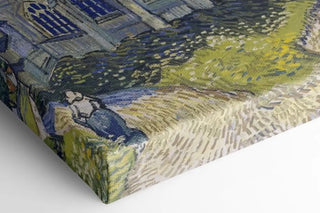
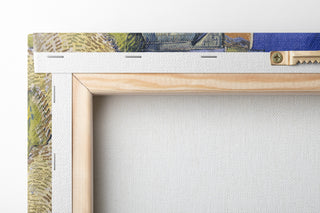
View from behind
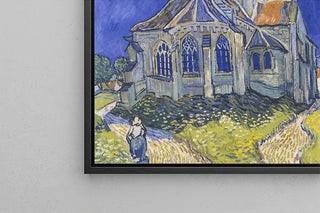
Frame (optional)
In the rich and complex universe of art history, the artwork "The Death of Cato" by Johann Carl Loth stands out as a masterpiece that transcends time. This canvas, imbued with gravity and depth, immerses us in a tragic moment of Roman history. Cato, an iconic figure of virtue and integrity, chooses to end his life rather than live under Caesar's yoke. Loth, with undeniable mastery of light and composition, manages to capture the very essence of this sacrifice. The depiction of this human drama resonates with an intensity that invites the viewer to reflect on universal themes such as freedom, dignity, and choice.
Style and uniqueness of the artwork
Johann Carl Loth's style is distinguished by a baroque approach that combines emotion and theatricality. In "The Death of Cato," the artist uses striking contrasts between shadows and lights to emphasize the drama of the scene. The faces of the characters, marked by poignant expressions, demonstrate exceptional mastery of portraiture. Every detail, from the drapery of the clothing to the reflections of light on the skin, is carefully studied to reinforce the message of the piece. Loth succeeds in creating an atmosphere that is both solemn and intimate, inviting the viewer to delve into Cato's thoughts. The color palette, dominated by dark and earthy tones, contributes to the gravity of the scene, while brighter touches illuminate certain elements, guiding the eye through the composition.
The artist and his influence
Johann Carl Loth, a German-born painter, established himself on the Italian art scene of the 17th century. Raised in the baroque tradition, he was influenced by masters such as Caravaggio and Le Caravage, whose impact is evident in his bold use of light. Loth was also a fervent advocate of classicism, seeking to combine formal beauty with emotional depth. His career, marked by prestigious commissions and growing recognition, testifies to his talent
Painting The Death of Cato - Johann Carl Loth | Art print

-10% FROM €95 IN PURCHASES
-15% FROM €195 IN PURCHASES
Regular price
- Unit price
- per
Tax included.
Free shipping
€4.90 / Free shipping on orders over €39
Satisfied or Money Back
Free returns within 30 days
10-year warranty
Our prints are guaranteed for 10 years
Any questions? We are here!
by email to contact@artemlegrand.com
THE STEPS OF YOUR ORDER

STEP 1 - ORDER PLACED
Your order has been confirmed and we are starting production
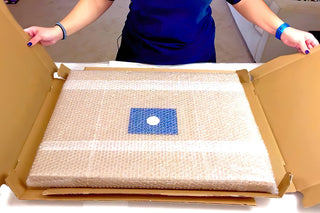
STEP 2 - SHIPPING
We ship your order. We send you an email to track the progress

STEP 3 - DELIVERY
You receive your order. You can also, according to your choice, be delivered to a relay point.
Matte finish
View from behind
Frame (optional)
In the rich and complex universe of art history, the artwork "The Death of Cato" by Johann Carl Loth stands out as a masterpiece that transcends time. This canvas, imbued with gravity and depth, immerses us in a tragic moment of Roman history. Cato, an iconic figure of virtue and integrity, chooses to end his life rather than live under Caesar's yoke. Loth, with undeniable mastery of light and composition, manages to capture the very essence of this sacrifice. The depiction of this human drama resonates with an intensity that invites the viewer to reflect on universal themes such as freedom, dignity, and choice.
Style and uniqueness of the artwork
Johann Carl Loth's style is distinguished by a baroque approach that combines emotion and theatricality. In "The Death of Cato," the artist uses striking contrasts between shadows and lights to emphasize the drama of the scene. The faces of the characters, marked by poignant expressions, demonstrate exceptional mastery of portraiture. Every detail, from the drapery of the clothing to the reflections of light on the skin, is carefully studied to reinforce the message of the piece. Loth succeeds in creating an atmosphere that is both solemn and intimate, inviting the viewer to delve into Cato's thoughts. The color palette, dominated by dark and earthy tones, contributes to the gravity of the scene, while brighter touches illuminate certain elements, guiding the eye through the composition.
The artist and his influence
Johann Carl Loth, a German-born painter, established himself on the Italian art scene of the 17th century. Raised in the baroque tradition, he was influenced by masters such as Caravaggio and Le Caravage, whose impact is evident in his bold use of light. Loth was also a fervent advocate of classicism, seeking to combine formal beauty with emotional depth. His career, marked by prestigious commissions and growing recognition, testifies to his talent
12,34 €