
Painting The Crown Maker - Georg Friedrich Kersting | Art print


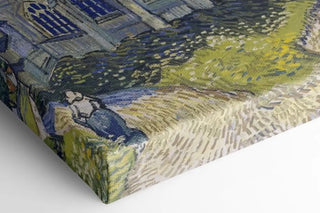
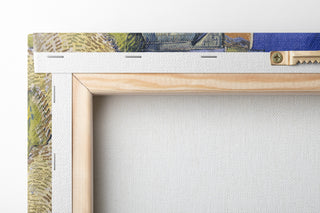
View from behind
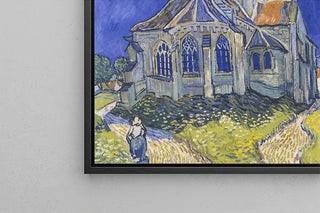
Frame (optional)
In the fascinating world of art, some works manage to capture the very essence of humanity through scenes from everyday life. "The Crown Maker" by Georg Friedrich Kersting is one of these memorable creations. Painted in the early 19th century, this piece resonates with emotional depth and meticulous attention to detail, inviting viewers to immerse themselves in a world that is both intimate and universal. Through this depiction, Kersting offers us a glimpse into artisanal craftsmanship while evoking themes of beauty, patience, and devotion. The scene, imbued with serenity, transports us to the workshop of the maker, a place where the magic of creation comes to life.
Style and uniqueness of the work
Georg Friedrich Kersting's style is distinguished by a realistic approach, where each element is carefully observed and rendered with precision. In "The Crown Maker," light plays a predominant role, subtly illuminating faces and objects within the composition. The colors, soft and warm, contribute to the calming atmosphere of the artwork. Kersting excels in depicting textures, whether the softness of flowers or the sturdiness of materials used by the artisan. This attention to detail not only enhances the aesthetic but also helps tell a story—the story of a man dedicated to his craft, capturing the essence of his work with palpable grace. The composition, balanced and harmonious, guides the viewer's eye through the scene, creating an emotional connection with the characters and their environment.
The artist and his influence
Georg Friedrich Kersting, born in Dresden in 1785, is often regarded as a master of realism, a movement that marked a significant transition in art history. Influenced by his contemporaries, Kersting developed a style that is uniquely his own, combining a faithful representation of reality with poetic sensitivity. His work is not limited to painting, as he also contributed to reflections on craftsmanship and the value of manual labor during a period of rapid industrialization. Throughout his career, Kersting inspired many artists, encouraging them to explore
Painting The Crown Maker - Georg Friedrich Kersting | Art print

-10% FROM €95 IN PURCHASES
-15% FROM €195 IN PURCHASES
Regular price
- Unit price
- per
Tax included.
Free shipping
€4.90 / Free shipping on orders over €39
Satisfied or Money Back
Free returns within 30 days
10-year warranty
Our prints are guaranteed for 10 years
Any questions? We are here!
by email to contact@artemlegrand.com
THE STEPS OF YOUR ORDER

STEP 1 - ORDER PLACED
Your order has been confirmed and we are starting production
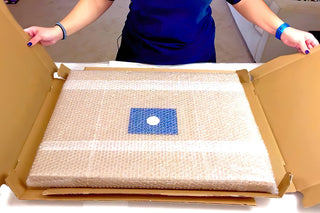
STEP 2 - SHIPPING
We ship your order. We send you an email to track the progress

STEP 3 - DELIVERY
You receive your order. You can also, according to your choice, be delivered to a relay point.
Matte finish
View from behind
Frame (optional)
In the fascinating world of art, some works manage to capture the very essence of humanity through scenes from everyday life. "The Crown Maker" by Georg Friedrich Kersting is one of these memorable creations. Painted in the early 19th century, this piece resonates with emotional depth and meticulous attention to detail, inviting viewers to immerse themselves in a world that is both intimate and universal. Through this depiction, Kersting offers us a glimpse into artisanal craftsmanship while evoking themes of beauty, patience, and devotion. The scene, imbued with serenity, transports us to the workshop of the maker, a place where the magic of creation comes to life.
Style and uniqueness of the work
Georg Friedrich Kersting's style is distinguished by a realistic approach, where each element is carefully observed and rendered with precision. In "The Crown Maker," light plays a predominant role, subtly illuminating faces and objects within the composition. The colors, soft and warm, contribute to the calming atmosphere of the artwork. Kersting excels in depicting textures, whether the softness of flowers or the sturdiness of materials used by the artisan. This attention to detail not only enhances the aesthetic but also helps tell a story—the story of a man dedicated to his craft, capturing the essence of his work with palpable grace. The composition, balanced and harmonious, guides the viewer's eye through the scene, creating an emotional connection with the characters and their environment.
The artist and his influence
Georg Friedrich Kersting, born in Dresden in 1785, is often regarded as a master of realism, a movement that marked a significant transition in art history. Influenced by his contemporaries, Kersting developed a style that is uniquely his own, combining a faithful representation of reality with poetic sensitivity. His work is not limited to painting, as he also contributed to reflections on craftsmanship and the value of manual labor during a period of rapid industrialization. Throughout his career, Kersting inspired many artists, encouraging them to explore
12,34 €