
Painting The Christ and the Samaritan at the Well - Norbert Joseph Carl Grund


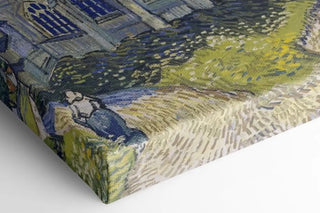
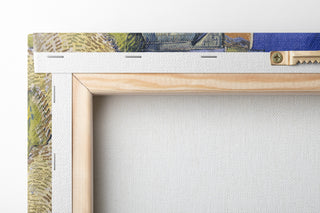
View from behind
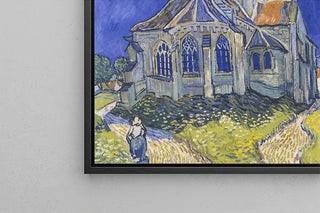
Frame (optional)
In the vibrant universe of religious art, the art print "The Christ and the Samaritan at the Well" by Norbert Joseph Carl Grund stands out for its narrative and emotional approach. This iconic scene, taken from the Gospel of John, immerses us in a profound dialogue between the divine and the human. The depiction of this unique encounter, where Christ, the central figure of the Christian faith, engages in a revealing conversation with a Samaritan woman, invites viewers to reflect on universal themes such as redemption, faith, and transcendence. Through this art print, we have the opportunity to relive this spiritual interaction while discovering the stylistic and symbolic richness that characterizes Grund's work.
Style and uniqueness of the work
Grund's style manifests through striking realism, where every detail is carefully crafted to emphasize the intensity of the scene. The faces of the characters, filled with palpable expressiveness, testify to the emotion that animates them. The light, subtly balanced, illuminates the face of Christ, accentuating his divine presence and infinite wisdom. In the background, the desert landscape evokes the isolation of the Samaritan woman, while symbolizing the spiritual quest that each of us undertakes. Grund manages to fuse biblical narration with refined aesthetics, creating a work that transcends the simple painting to become a true reflection on the human condition. Every brushstroke, every shade of color contributes to a visual harmony that can only captivate the eye and the mind.
The artist and his influence
Norbert Joseph Carl Grund, a German-born painter active in the 19th century, knew how to mark his era with an innovative approach to religious painting. Influenced by the great masters of the past, he succeeded in infusing modernity into his works while respecting iconographic traditions. His ability to capture intense and spiritual moments of life allowed him to stand out in the artistic landscape of his time. Grund does not merely reproduce sacred scenes; he interprets, humanizes, and makes them accessible to all. His technique, although rigorous
Painting The Christ and the Samaritan at the Well - Norbert Joseph Carl Grund

-10% FROM €95 IN PURCHASES
-15% FROM €195 IN PURCHASES
Regular price
- Unit price
- per
Tax included.
Free shipping
€4.90 / Free shipping on orders over €39
Satisfied or Money Back
Free returns within 30 days
10-year warranty
Our prints are guaranteed for 10 years
Any questions? We are here!
by email to contact@artemlegrand.com
THE STEPS OF YOUR ORDER

STEP 1 - ORDER PLACED
Your order has been confirmed and we are starting production
STEP 2 - SHIPPING
We ship your order. We send you an email to track the progress

STEP 3 - DELIVERY
You receive your order. You can also, according to your choice, be delivered to a relay point.
Matte finish
View from behind
Frame (optional)
In the vibrant universe of religious art, the art print "The Christ and the Samaritan at the Well" by Norbert Joseph Carl Grund stands out for its narrative and emotional approach. This iconic scene, taken from the Gospel of John, immerses us in a profound dialogue between the divine and the human. The depiction of this unique encounter, where Christ, the central figure of the Christian faith, engages in a revealing conversation with a Samaritan woman, invites viewers to reflect on universal themes such as redemption, faith, and transcendence. Through this art print, we have the opportunity to relive this spiritual interaction while discovering the stylistic and symbolic richness that characterizes Grund's work.
Style and uniqueness of the work
Grund's style manifests through striking realism, where every detail is carefully crafted to emphasize the intensity of the scene. The faces of the characters, filled with palpable expressiveness, testify to the emotion that animates them. The light, subtly balanced, illuminates the face of Christ, accentuating his divine presence and infinite wisdom. In the background, the desert landscape evokes the isolation of the Samaritan woman, while symbolizing the spiritual quest that each of us undertakes. Grund manages to fuse biblical narration with refined aesthetics, creating a work that transcends the simple painting to become a true reflection on the human condition. Every brushstroke, every shade of color contributes to a visual harmony that can only captivate the eye and the mind.
The artist and his influence
Norbert Joseph Carl Grund, a German-born painter active in the 19th century, knew how to mark his era with an innovative approach to religious painting. Influenced by the great masters of the past, he succeeded in infusing modernity into his works while respecting iconographic traditions. His ability to capture intense and spiritual moments of life allowed him to stand out in the artistic landscape of his time. Grund does not merely reproduce sacred scenes; he interprets, humanizes, and makes them accessible to all. His technique, although rigorous
12,34 €