
Painting The Christ and the adulterous woman - Émile Signol | Art print


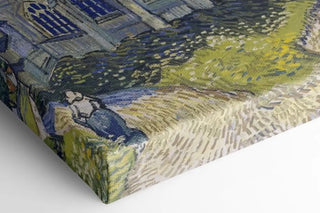
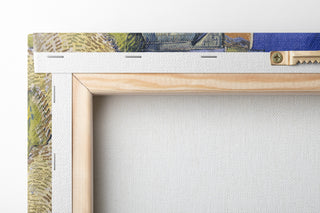
View from behind
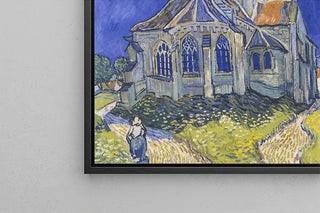
Frame (optional)
In the vast panorama of art history, certain artworks stand out for their ability to evoke profound emotions and moral reflections. "The Christ and the Adulteress" by Émile Signol, with its bold subject matter and striking composition, perfectly embodies this dynamic. This painting, depicting a key moment from the biblical narrative, immerses us in a scene charged with tension and compassion, where judgment and mercy intertwine. The confrontation between the Christ and the adulteress, a suspended moment in time, questions our perception of justice and redemption, making this work a true mirror of the human soul.
Style and uniqueness of the work
Émile Signol's style is characterized by an impressive mastery of chiaroscuro, a technique that emphasizes contrasts between light and shadow, giving his characters a striking psychological depth. In "The Christ and the Adulteress," this approach is particularly evident. The divine light illuminating the face of Christ contrasts with the shadows enveloping the woman, symbolizing the inner struggle between shame and hope. The composition is carefully orchestrated, with each element of the canvas placed with precision to guide the viewer's gaze toward the heart of the scene. Signol manages to capture not only the dramatic moment but also the complex emotions of the protagonists, rendering this work deeply human and universal.
The artist and his influence
Émile Signol, a French painter of the 19th century, is often associated with the Romantic movement, but his work transcends simple classifications. Trained at the École des Beaux-Arts in Paris, he absorbed classical influences while developing a personal style. His ability to treat religious subjects with modern sensitivity allowed him to reach a broad audience. Signol was also a fervent advocate of historical painting, seeking to depict profound and evocative stories. His impact on his contemporaries and future generations is undeniable, as he paved the way for a more emotional and narrative approach to religious art. Through "The Christ and the Adulteress," he offers us a timeless reflection on the nature
Painting The Christ and the adulterous woman - Émile Signol | Art print

-10% FROM €95 IN PURCHASES
-15% FROM €195 IN PURCHASES
Regular price
- Unit price
- by
Free shipping
€4.90 / Free shipping on orders over €39
Satisfied or Money Back
Free returns within 30 days
10-year warranty
Our prints are guaranteed for 10 years
Any questions? We are here!
by email to contact@artemlegrand.com
THE STEPS OF YOUR ORDER

STEP 1 - ORDER PLACED
Your order has been confirmed and we are starting production
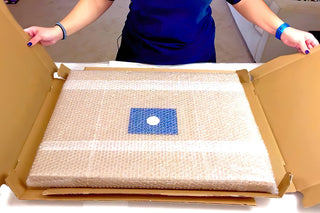
STEP 2 - SHIPPING
We ship your order. We send you an email to track the progress

STEP 3 - DELIVERY
You receive your order. You can also, according to your choice, be delivered to a relay point.
Matte finish
View from behind
Frame (optional)
In the vast panorama of art history, certain artworks stand out for their ability to evoke profound emotions and moral reflections. "The Christ and the Adulteress" by Émile Signol, with its bold subject matter and striking composition, perfectly embodies this dynamic. This painting, depicting a key moment from the biblical narrative, immerses us in a scene charged with tension and compassion, where judgment and mercy intertwine. The confrontation between the Christ and the adulteress, a suspended moment in time, questions our perception of justice and redemption, making this work a true mirror of the human soul.
Style and uniqueness of the work
Émile Signol's style is characterized by an impressive mastery of chiaroscuro, a technique that emphasizes contrasts between light and shadow, giving his characters a striking psychological depth. In "The Christ and the Adulteress," this approach is particularly evident. The divine light illuminating the face of Christ contrasts with the shadows enveloping the woman, symbolizing the inner struggle between shame and hope. The composition is carefully orchestrated, with each element of the canvas placed with precision to guide the viewer's gaze toward the heart of the scene. Signol manages to capture not only the dramatic moment but also the complex emotions of the protagonists, rendering this work deeply human and universal.
The artist and his influence
Émile Signol, a French painter of the 19th century, is often associated with the Romantic movement, but his work transcends simple classifications. Trained at the École des Beaux-Arts in Paris, he absorbed classical influences while developing a personal style. His ability to treat religious subjects with modern sensitivity allowed him to reach a broad audience. Signol was also a fervent advocate of historical painting, seeking to depict profound and evocative stories. His impact on his contemporaries and future generations is undeniable, as he paved the way for a more emotional and narrative approach to religious art. Through "The Christ and the Adulteress," he offers us a timeless reflection on the nature