
Painting The Chinese Limodoron - Robert John Thornton | Art print


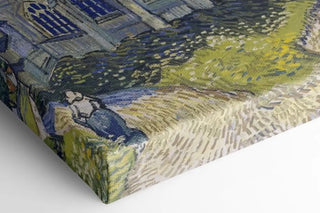
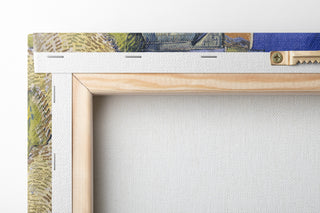
View from behind
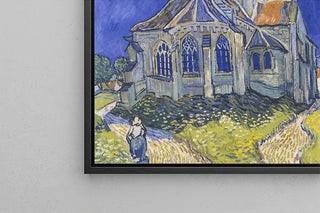
Frame (optional)
Reproduction of Le Limodoron de Chine - Robert John Thornton – Captivating introduction
In the vast panorama of art history, certain works stand out for their ability to capture the very essence of nature. "Le Limodoron de Chine" by Robert John Thornton is a perfect example. This piece, both delicate and bold, transports us into a universe where botany and aesthetics meet in harmony. Through this art print, the viewer is invited to explore the subtle nuances of flora while immersing themselves in the spirit of an era when art and science intertwined to celebrate the beauty of the natural world. Contemplating this work, one feels a deep connection with nature, as if every detail had been carefully thought out to awaken our senses.
Style and uniqueness of the work
The style of "Le Limodoron de Chine" is characterized by meticulous attention to detail and a refined color palette. Thornton, as a botanist and artist, masterfully combined scientific precision with artistic sensitivity. Each petal, each leaf is depicted with such accuracy that one could almost smell the flowers. The composition is carefully balanced, offering an overall view that draws the eye while allowing exploration of the finest details. Light plays a crucial role in this work, highlighting textures and creating an almost ethereal atmosphere. This ability to fuse realism with a certain visual poetry makes this piece a timeless masterpiece, both scientific and artistic.
The artist and his influence
Robert John Thornton, born in the 18th century, marked his era with an innovative approach to botanical art. His passion for plants and his desire to depict them faithfully led him to create works that transcend simple botanical illustrations. Thornton was influenced by the scientific discoveries of his time, but also by artistic currents seeking to capture the beauty of nature. His work inspired many artists and scientists, paving the way for a new understanding of the relationship between art and science. By integrating elements of nature into his works, he contributed to a broader vision of art, where each flower and plant tells a unique story, revealing the complexity
Painting The Chinese Limodoron - Robert John Thornton | Art print

-10% FROM €95 IN PURCHASES
-15% FROM €195 IN PURCHASES
Regular price
- Unit price
- per
Tax included.
Free shipping
€4.90 / Free shipping on orders over €39
Satisfied or Money Back
Free returns within 30 days
10-year warranty
Our prints are guaranteed for 10 years
Any questions? We are here!
by email to contact@artemlegrand.com
THE STEPS OF YOUR ORDER

STEP 1 - ORDER PLACED
Your order has been confirmed and we are starting production
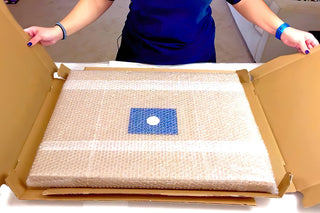
STEP 2 - SHIPPING
We ship your order. We send you an email to track the progress

STEP 3 - DELIVERY
You receive your order. You can also, according to your choice, be delivered to a relay point.
Matte finish
View from behind
Frame (optional)
Reproduction of Le Limodoron de Chine - Robert John Thornton – Captivating introduction
In the vast panorama of art history, certain works stand out for their ability to capture the very essence of nature. "Le Limodoron de Chine" by Robert John Thornton is a perfect example. This piece, both delicate and bold, transports us into a universe where botany and aesthetics meet in harmony. Through this art print, the viewer is invited to explore the subtle nuances of flora while immersing themselves in the spirit of an era when art and science intertwined to celebrate the beauty of the natural world. Contemplating this work, one feels a deep connection with nature, as if every detail had been carefully thought out to awaken our senses.
Style and uniqueness of the work
The style of "Le Limodoron de Chine" is characterized by meticulous attention to detail and a refined color palette. Thornton, as a botanist and artist, masterfully combined scientific precision with artistic sensitivity. Each petal, each leaf is depicted with such accuracy that one could almost smell the flowers. The composition is carefully balanced, offering an overall view that draws the eye while allowing exploration of the finest details. Light plays a crucial role in this work, highlighting textures and creating an almost ethereal atmosphere. This ability to fuse realism with a certain visual poetry makes this piece a timeless masterpiece, both scientific and artistic.
The artist and his influence
Robert John Thornton, born in the 18th century, marked his era with an innovative approach to botanical art. His passion for plants and his desire to depict them faithfully led him to create works that transcend simple botanical illustrations. Thornton was influenced by the scientific discoveries of his time, but also by artistic currents seeking to capture the beauty of nature. His work inspired many artists and scientists, paving the way for a new understanding of the relationship between art and science. By integrating elements of nature into his works, he contributed to a broader vision of art, where each flower and plant tells a unique story, revealing the complexity
12,34 €