
Painting Le Cereus qui souffle la nuit - Robert John Thornton | Art print


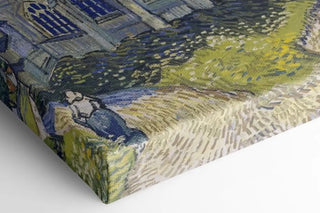
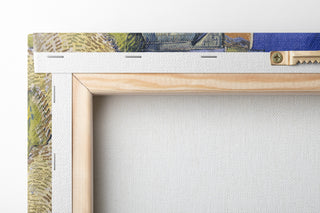
View from behind
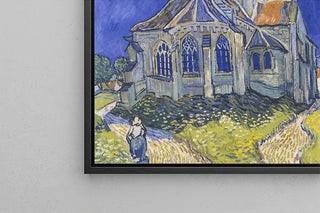
Frame (optional)
In the world of art, some works transcend their era and become symbols of beauty and reflection. "Le Cereus qui souffle la nuit" by Robert John Thornton is a perfect example. This piece, both delicate and evocative, transports us into a universe where nature and imagination meet. The very title of the artwork evokes visual poetry, suggesting a fleeting moment, a nocturnal breath that reveals the splendor of a rare plant. By contemplating this piece, the viewer is invited to explore the mysteries of the night and to question the fragility of natural beauty.
Style and uniqueness of the artwork
Thornton's work stands out for its meticulous approach and keen sense of detail. Every element of "Le Cereus qui souffle la nuit" is carefully orchestrated, creating a visual harmony that captivates the eye. The rich, deep hues evoke a dreamlike atmosphere, while the organic shapes of the cereus flowers seem to move under the moonlight. This representation is not limited to a simple botanical study; it becomes a celebration of ephemeral beauty. Thornton, as a botanist and artist, manages to marry science and art, offering a unique vision of nature. His style, deeply rooted in the Romantic movement, expresses a sincere admiration for the natural world, while incorporating a symbolic dimension that invites contemplation.
The artist and his influence
Robert John Thornton, although less known than some of his contemporaries, marked his era with his innovative approach to botanical art. Born in the 18th century, he skillfully combined his scientific expertise with undeniable artistic talent. His passion for botany is reflected in each of his works, where he succeeds in capturing not only the appearance of plants but also their essence. Thanks to his contributions, he paved the way for a new way of perceiving nature, influencing other artists and scientists. His ability to combine precision and creativity makes him a key figure in the history of botanical art, and "Le Cereus qui souffle la nuit" perfectly embodies this duality. Through his works, Thornton reminds us that art can
Painting Le Cereus qui souffle la nuit - Robert John Thornton | Art print

-10% FROM €95 IN PURCHASES
-15% FROM €195 IN PURCHASES
Regular price
- Unit price
- per
Tax included.
Free shipping
€4.90 / Free shipping on orders over €39
Satisfied or Money Back
Free returns within 30 days
10-year warranty
Our prints are guaranteed for 10 years
Any questions? We are here!
by email to contact@artemlegrand.com
THE STEPS OF YOUR ORDER

STEP 1 - ORDER PLACED
Your order has been confirmed and we are starting production

STEP 2 - SHIPPING
We ship your order. We send you an email to track the progress

STEP 3 - DELIVERY
You receive your order. You can also, according to your choice, be delivered to a relay point.
Matte finish
View from behind
Frame (optional)
In the world of art, some works transcend their era and become symbols of beauty and reflection. "Le Cereus qui souffle la nuit" by Robert John Thornton is a perfect example. This piece, both delicate and evocative, transports us into a universe where nature and imagination meet. The very title of the artwork evokes visual poetry, suggesting a fleeting moment, a nocturnal breath that reveals the splendor of a rare plant. By contemplating this piece, the viewer is invited to explore the mysteries of the night and to question the fragility of natural beauty.
Style and uniqueness of the artwork
Thornton's work stands out for its meticulous approach and keen sense of detail. Every element of "Le Cereus qui souffle la nuit" is carefully orchestrated, creating a visual harmony that captivates the eye. The rich, deep hues evoke a dreamlike atmosphere, while the organic shapes of the cereus flowers seem to move under the moonlight. This representation is not limited to a simple botanical study; it becomes a celebration of ephemeral beauty. Thornton, as a botanist and artist, manages to marry science and art, offering a unique vision of nature. His style, deeply rooted in the Romantic movement, expresses a sincere admiration for the natural world, while incorporating a symbolic dimension that invites contemplation.
The artist and his influence
Robert John Thornton, although less known than some of his contemporaries, marked his era with his innovative approach to botanical art. Born in the 18th century, he skillfully combined his scientific expertise with undeniable artistic talent. His passion for botany is reflected in each of his works, where he succeeds in capturing not only the appearance of plants but also their essence. Thanks to his contributions, he paved the way for a new way of perceiving nature, influencing other artists and scientists. His ability to combine precision and creativity makes him a key figure in the history of botanical art, and "Le Cereus qui souffle la nuit" perfectly embodies this duality. Through his works, Thornton reminds us that art can
12,34 €