
Art print The Butterfly Vivarium or Insect House Pl 6 - Henry Noel Humphreys


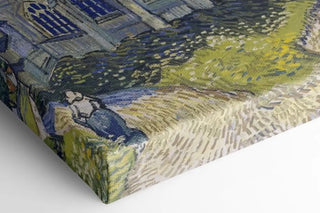
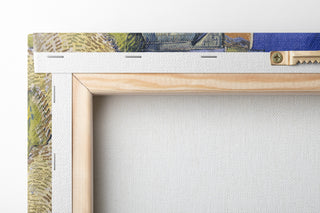
View from behind
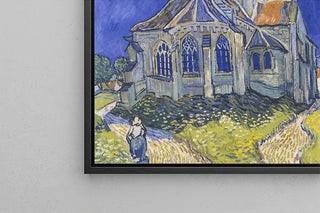
Frame (optional)
In the fascinating world of naturalist art, the artwork "The Butterfly Vivarium or Insect House Pl 6" by Henry Noel Humphreys stands out for its delicate and poetic approach. This piece invites viewers to immerse themselves in a universe where the beauty of insects is highlighted with remarkable precision. The artist manages to capture not only the appearance of these ephemeral creatures but also the very essence of their existence, evoking a sense of wonder at the diversity of nature. Contemplating this work, one feels an intimate connection with the natural world, as if each butterfly, each insect, tells a unique story.
Style and uniqueness of the work
Humphreys' style is characterized by meticulous attention to detail and a vibrant color palette that breathes life into his subjects. In "The Butterfly Vivarium," the delicate nuances of the butterflies' wings contrast harmoniously with the subtly crafted backgrounds, creating an atmosphere that is both soothing and captivating. The artist succeeds in transcending mere representation to offer an immersive visual experience. The dynamic composition, where insects seem almost to rise out of the canvas, transports us to a secret garden where nature reigns supreme. This artwork is not just a study of insects; it is a celebration of the fragile beauty of life.
The artist and his influence
Henry Noel Humphreys, a 19th-century artist and naturalist, played a vital role in the evolution of naturalist art. His passion for entomology, the science of insects, is reflected in each of his works, where he skillfully combines art and science with rare mastery. Influenced by the scientific discoveries of his time, Humphreys sought to elevate the depiction of insects to the rank of art, challenging established conventions. His work has inspired many contemporary and later artists, who saw in his approach a way to pay homage to nature while exploring broader themes such as the fragility of existence and ephemeral beauty. Through his works, he contributed
Art print The Butterfly Vivarium or Insect House Pl 6 - Henry Noel Humphreys

-10% FROM €95 IN PURCHASES
-15% FROM €195 IN PURCHASES
Regular price
- Unit price
- per
Tax included.
Free shipping
€4.90 / Free shipping on orders over €39
Satisfied or Money Back
Free returns within 30 days
10-year warranty
Our prints are guaranteed for 10 years
Any questions? We are here!
by email to contact@artemlegrand.com
THE STEPS OF YOUR ORDER

STEP 1 - ORDER PLACED
Your order has been confirmed and we are starting production
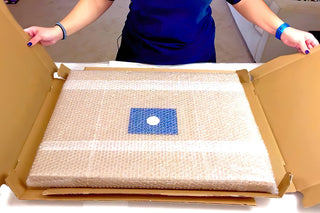
STEP 2 - SHIPPING
We ship your order. We send you an email to track the progress

STEP 3 - DELIVERY
You receive your order. You can also, according to your choice, be delivered to a relay point.
Matte finish
View from behind
Frame (optional)
In the fascinating world of naturalist art, the artwork "The Butterfly Vivarium or Insect House Pl 6" by Henry Noel Humphreys stands out for its delicate and poetic approach. This piece invites viewers to immerse themselves in a universe where the beauty of insects is highlighted with remarkable precision. The artist manages to capture not only the appearance of these ephemeral creatures but also the very essence of their existence, evoking a sense of wonder at the diversity of nature. Contemplating this work, one feels an intimate connection with the natural world, as if each butterfly, each insect, tells a unique story.
Style and uniqueness of the work
Humphreys' style is characterized by meticulous attention to detail and a vibrant color palette that breathes life into his subjects. In "The Butterfly Vivarium," the delicate nuances of the butterflies' wings contrast harmoniously with the subtly crafted backgrounds, creating an atmosphere that is both soothing and captivating. The artist succeeds in transcending mere representation to offer an immersive visual experience. The dynamic composition, where insects seem almost to rise out of the canvas, transports us to a secret garden where nature reigns supreme. This artwork is not just a study of insects; it is a celebration of the fragile beauty of life.
The artist and his influence
Henry Noel Humphreys, a 19th-century artist and naturalist, played a vital role in the evolution of naturalist art. His passion for entomology, the science of insects, is reflected in each of his works, where he skillfully combines art and science with rare mastery. Influenced by the scientific discoveries of his time, Humphreys sought to elevate the depiction of insects to the rank of art, challenging established conventions. His work has inspired many contemporary and later artists, who saw in his approach a way to pay homage to nature while exploring broader themes such as the fragility of existence and ephemeral beauty. Through his works, he contributed
12,34 €