
Art print The Blind Violinist - Hanns Gasser | Art print


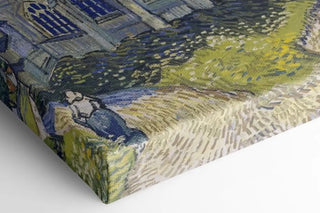
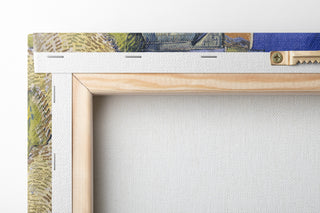
View from behind
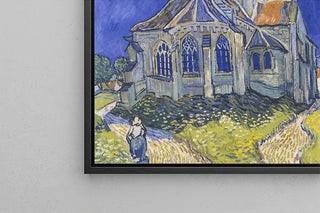
Frame (optional)
In a world where music transcends words and emotions are revealed through gestures, "The Blind Violinist" by Hanns Gasser stands as an iconic work of artistic expression. This piece, which captures the very essence of melancholy and passion, transports us to a universe where hearing takes precedence over sight. The depiction of a blind musician, absorbed in his art, evokes a profound reflection on perception and human sensitivity. Gasser succeeds in immortalizing this fleeting moment when music becomes a universal language, touching both the heart and soul of viewers.
Style and uniqueness of the work
Gasser's style is characterized by mastery of colors and shadows that give his works a unique atmosphere. In "The Blind Violinist", warm tones and delicate nuances create a striking contrast between light and darkness, symbolizing the duality between the musician's inner life and the external world surrounding him. The meticulous details, such as the folds of clothing and the focused expression on the face, demonstrate exceptional craftsmanship and attention to the psychology of the characters. This work is not limited to a simple representation; it invites the viewer to enter the musician's intimacy, to feel the vibrations of the music emanating from the strings of his violin. Gasser manages to capture the very essence of art, where each note seems to resonate beyond the canvas.
The artist and his influence
Hanns Gasser, an Austrian painter of the 20th century, is part of an artistic tradition marked by authenticity and the search for inner truth. His career, although less known than that of some of his contemporaries, has profoundly influenced the artistic scene of his time. Gasser was particularly interested in themes of solitude, music, and the human condition—motifs that still resonate today. By drawing inspiration from everyday life and exploring human emotions, he succeeded in creating works that resonate with a broad audience. His commitment to art and his desire to transmit emotions
Art print The Blind Violinist - Hanns Gasser | Art print

-10% FROM €95 IN PURCHASES
-15% FROM €195 IN PURCHASES
Regular price
- Unit price
- per
Tax included.
Free shipping
€4.90 / Free shipping on orders over €39
Satisfied or Money Back
Free returns within 30 days
10-year warranty
Our prints are guaranteed for 10 years
Any questions? We are here!
by email to contact@artemlegrand.com
THE STEPS OF YOUR ORDER

STEP 1 - ORDER PLACED
Your order has been confirmed and we are starting production

STEP 2 - SHIPPING
We ship your order. We send you an email to track the progress

STEP 3 - DELIVERY
You receive your order. You can also, according to your choice, be delivered to a relay point.
Matte finish
View from behind
Frame (optional)
In a world where music transcends words and emotions are revealed through gestures, "The Blind Violinist" by Hanns Gasser stands as an iconic work of artistic expression. This piece, which captures the very essence of melancholy and passion, transports us to a universe where hearing takes precedence over sight. The depiction of a blind musician, absorbed in his art, evokes a profound reflection on perception and human sensitivity. Gasser succeeds in immortalizing this fleeting moment when music becomes a universal language, touching both the heart and soul of viewers.
Style and uniqueness of the work
Gasser's style is characterized by mastery of colors and shadows that give his works a unique atmosphere. In "The Blind Violinist", warm tones and delicate nuances create a striking contrast between light and darkness, symbolizing the duality between the musician's inner life and the external world surrounding him. The meticulous details, such as the folds of clothing and the focused expression on the face, demonstrate exceptional craftsmanship and attention to the psychology of the characters. This work is not limited to a simple representation; it invites the viewer to enter the musician's intimacy, to feel the vibrations of the music emanating from the strings of his violin. Gasser manages to capture the very essence of art, where each note seems to resonate beyond the canvas.
The artist and his influence
Hanns Gasser, an Austrian painter of the 20th century, is part of an artistic tradition marked by authenticity and the search for inner truth. His career, although less known than that of some of his contemporaries, has profoundly influenced the artistic scene of his time. Gasser was particularly interested in themes of solitude, music, and the human condition—motifs that still resonate today. By drawing inspiration from everyday life and exploring human emotions, he succeeded in creating works that resonate with a broad audience. His commitment to art and his desire to transmit emotions
12,34 €