
Art print Le Colin-maillard, Blind Man's Buff - Jean-Baptiste Pater | Art print


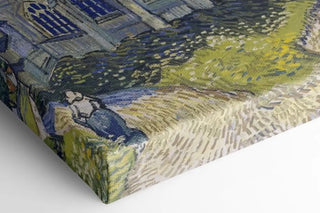
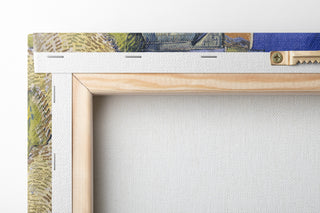
View from behind
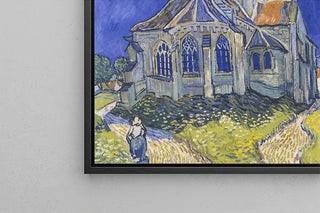
Frame (optional)
In the shimmering universe of the 18th century, the artwork "Le Colin-maillard, Blind Man's Buff" by Jean-Baptiste Pater stands out for its lively and playful depiction of children's games. This painting, emblematic of the rococo style, invites the viewer to immerse themselves in a world of joy and carefree innocence. With a delicate composition and subtle lighting, Pater manages to capture the very essence of childhood, while offering a glimpse into the customs of his time. The joyful figures, pastel colors, and refined details create an atmosphere of lightness, evoking memories of a bygone era when life seemed simpler and sweeter. The art print of this piece allows appreciation of the magic of the frozen moment, while paying tribute to the beauty of everyday life in the 18th century.
Style and uniqueness of the work
Jean-Baptiste Pater's style is characterized by exceptional finesse and meticulous attention to detail. In "Le Colin-maillard, Blind Man's Buff," each character is carefully rendered, expressing a range of emotions from joy to excitement. The children's movements, captured with an airy lightness, bring the canvas to life. The soft tones and play of light enhance the feeling of warmth and conviviality, transforming a simple game scene into a true celebration of childhood. The choice of pastel colors, typical of rococo, helps create a dreamlike atmosphere where time seems suspended. Every element of the composition, from the delicate dresses of the young girls to the mischievous expressions of the boys, testifies to Pater's skill in transforming a mundane moment into a timeless work of art.
The artist and his influence
Jean-Baptiste Pater, often considered a disciple of Antoine Watteau, developed a distinctive style that allowed him to make a name for himself in the art world. His ability to capture the spirit of rococo, with its themes of celebration, love, and childhood, earned him a prominent place in the history of French art. Pater not only influenced his contemporaries, but his work continues
Art print Le Colin-maillard, Blind Man's Buff - Jean-Baptiste Pater | Art print

-10% FROM €95 IN PURCHASES
-15% FROM €195 IN PURCHASES
Regular price
- Unit price
- per
Tax included.
Free shipping
€4.90 / Free shipping on orders over €39
Satisfied or Money Back
Free returns within 30 days
10-year warranty
Our prints are guaranteed for 10 years
Any questions? We are here!
by email to contact@artemlegrand.com
THE STEPS OF YOUR ORDER

STEP 1 - ORDER PLACED
Your order has been confirmed and we are starting production
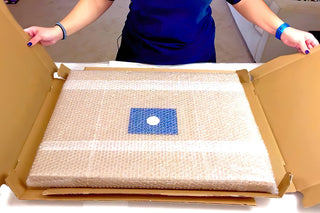
STEP 2 - SHIPPING
We ship your order. We send you an email to track the progress

STEP 3 - DELIVERY
You receive your order. You can also, according to your choice, be delivered to a relay point.
Matte finish
View from behind
Frame (optional)
In the shimmering universe of the 18th century, the artwork "Le Colin-maillard, Blind Man's Buff" by Jean-Baptiste Pater stands out for its lively and playful depiction of children's games. This painting, emblematic of the rococo style, invites the viewer to immerse themselves in a world of joy and carefree innocence. With a delicate composition and subtle lighting, Pater manages to capture the very essence of childhood, while offering a glimpse into the customs of his time. The joyful figures, pastel colors, and refined details create an atmosphere of lightness, evoking memories of a bygone era when life seemed simpler and sweeter. The art print of this piece allows appreciation of the magic of the frozen moment, while paying tribute to the beauty of everyday life in the 18th century.
Style and uniqueness of the work
Jean-Baptiste Pater's style is characterized by exceptional finesse and meticulous attention to detail. In "Le Colin-maillard, Blind Man's Buff," each character is carefully rendered, expressing a range of emotions from joy to excitement. The children's movements, captured with an airy lightness, bring the canvas to life. The soft tones and play of light enhance the feeling of warmth and conviviality, transforming a simple game scene into a true celebration of childhood. The choice of pastel colors, typical of rococo, helps create a dreamlike atmosphere where time seems suspended. Every element of the composition, from the delicate dresses of the young girls to the mischievous expressions of the boys, testifies to Pater's skill in transforming a mundane moment into a timeless work of art.
The artist and his influence
Jean-Baptiste Pater, often considered a disciple of Antoine Watteau, developed a distinctive style that allowed him to make a name for himself in the art world. His ability to capture the spirit of rococo, with its themes of celebration, love, and childhood, earned him a prominent place in the history of French art. Pater not only influenced his contemporaries, but his work continues
12,34 €