
Art print of The Christ Blessing the Little Children - Jacob Willemsz. de Wet


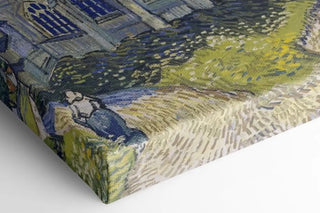
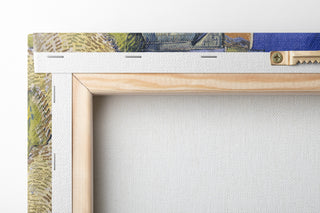
View from behind
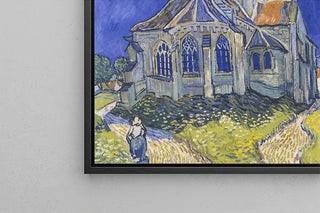
Frame (optional)
In the fascinating world of art history, some works transcend their era to become timeless symbols of faith and kindness. "The Christ blessing the little children" by Jacob Willemsz. de Wet is one of those iconic pieces that evoke not only spirituality but also human tenderness. This artwork, capturing a moment of infinite sweetness, invites the viewer to immerse themselves in a painting where divine light seems to caress the faces of the children, highlighting the importance of compassion and unconditional love. Through this art print, one feels a deep connection with the Christian values that continue to resonate through the centuries.
Style and uniqueness of the work
Jacob Willemsz. de Wet's style is characterized by fine detail and a keen sense of light that brings his characters to life. In "The Christ blessing the little children," the artist manages to create a warm and welcoming atmosphere. The expressions of the children, both curious and amazed, stand out against a subtly nuanced background, while Christ, the central figure, radiates serenity imbued with wisdom. The composition of the piece, although classical, skillfully plays with lines and shapes, guiding the viewer’s gaze toward this moment of blessing. Every brushstroke seems charged with intention, making this scene not only visually captivating but also emotionally resonant.
The artist and his influence
Jacob Willemsz. de Wet, active in the 17th century, is often regarded as a master of Dutch Baroque, although his work is less well-known than that of some of his contemporaries. His ability to capture everyday moments and transform them into powerful visual narratives demonstrates his technical skill and artistic sensitivity. De Wet draws inspiration from the great masters of his time but manages to infuse a personal touch into his works, notably through the expression of emotions. His approach to light and shadow, as well as his way of handling human figures, has left a lasting imprint on religious art of his era. Through his paintings, he
Art print of The Christ Blessing the Little Children - Jacob Willemsz. de Wet

-10% FROM €95 IN PURCHASES
-15% FROM €195 IN PURCHASES
Regular price
- Unit price
- per
Tax included.
Free shipping
€4.90 / Free shipping on orders over €39
Satisfied or Money Back
Free returns within 30 days
10-year warranty
Our prints are guaranteed for 10 years
Any questions? We are here!
by email to contact@artemlegrand.com
THE STEPS OF YOUR ORDER

STEP 1 - ORDER PLACED
Your order has been confirmed and we are starting production
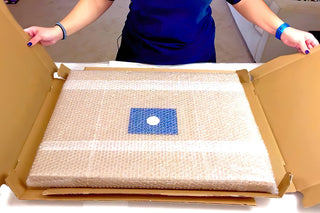
STEP 2 - SHIPPING
We ship your order. We send you an email to track the progress

STEP 3 - DELIVERY
You receive your order. You can also, according to your choice, be delivered to a relay point.
Matte finish
View from behind
Frame (optional)
In the fascinating world of art history, some works transcend their era to become timeless symbols of faith and kindness. "The Christ blessing the little children" by Jacob Willemsz. de Wet is one of those iconic pieces that evoke not only spirituality but also human tenderness. This artwork, capturing a moment of infinite sweetness, invites the viewer to immerse themselves in a painting where divine light seems to caress the faces of the children, highlighting the importance of compassion and unconditional love. Through this art print, one feels a deep connection with the Christian values that continue to resonate through the centuries.
Style and uniqueness of the work
Jacob Willemsz. de Wet's style is characterized by fine detail and a keen sense of light that brings his characters to life. In "The Christ blessing the little children," the artist manages to create a warm and welcoming atmosphere. The expressions of the children, both curious and amazed, stand out against a subtly nuanced background, while Christ, the central figure, radiates serenity imbued with wisdom. The composition of the piece, although classical, skillfully plays with lines and shapes, guiding the viewer’s gaze toward this moment of blessing. Every brushstroke seems charged with intention, making this scene not only visually captivating but also emotionally resonant.
The artist and his influence
Jacob Willemsz. de Wet, active in the 17th century, is often regarded as a master of Dutch Baroque, although his work is less well-known than that of some of his contemporaries. His ability to capture everyday moments and transform them into powerful visual narratives demonstrates his technical skill and artistic sensitivity. De Wet draws inspiration from the great masters of his time but manages to infuse a personal touch into his works, notably through the expression of emotions. His approach to light and shadow, as well as his way of handling human figures, has left a lasting imprint on religious art of his era. Through his paintings, he
12,34 €