
Art print The Barber - Marcellus Laroon the Younger


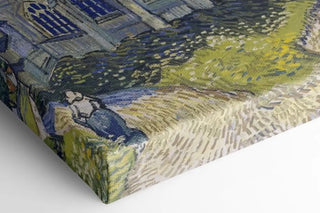
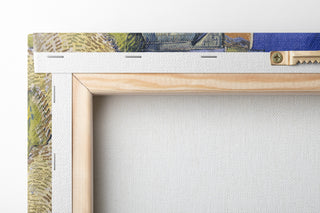
View from behind
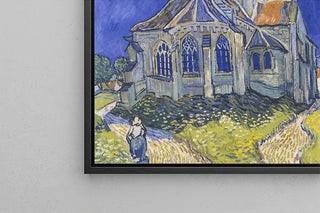
Frame (optional)
In the vibrant world of art, some works stand out for their ability to capture moments of life, evoke emotions, and tell stories. "The Barber" by Marcellus Laroon the Younger proves to be one of these iconic pieces, a window into daily life in the 17th century. This artwork, both intimate and universal, immerses us in the atmosphere of a hairdressing salon, where the precise gestures of the barber and the lively exchanges of clients intertwine. The scene, imbued with realism, invites us to contemplate a bygone era while prompting reflection on the social and cultural dynamics that animate it.
Style and uniqueness of the art print
The style of Marcellus Laroon the Younger is characterized by an unparalleled mastery of detail and a particular attention to light. In "The Barber," every element is carefully arranged, from the barber’s tools to the expressions of the characters, creating a harmonious composition. The color palette, subtly chosen, evokes a warm and convivial atmosphere, while the interplay of shadows and light adds striking depth to the scene. Laroon manages to capture not only the appearance of the figures but also their essence, making each face unique and expressive. This ability to depict life with such authenticity makes this art print a true masterpiece of the genre.
The artist and his influence
Marcellus Laroon the Younger, born at the end of the 17th century, is an artist whose work profoundly influenced the artistic landscape of his time. Raised in a tradition where portraiture and genre scenes held a prominent place, Laroon succeeded in establishing himself thanks to his keen sense of observation and refined technique. Influenced by the great masters of his era, he developed a personal style that combines realism and sensitivity. His works, often imbued with subtle humor and delicate irony, reflect the customs and behaviors of society in his time. Thus, "The Barber" is not merely a static representation; it becomes a mirror of social life, a testament to the
Art print The Barber - Marcellus Laroon the Younger

-10% FROM €95 IN PURCHASES
-15% FROM €195 IN PURCHASES
Regular price
- Unit price
- per
Tax included.
Free shipping
€4.90 / Free shipping on orders over €39
Satisfied or Money Back
Free returns within 30 days
10-year warranty
Our prints are guaranteed for 10 years
Any questions? We are here!
by email to contact@artemlegrand.com
THE STEPS OF YOUR ORDER
STEP 1 - ORDER PLACED
Your order has been confirmed and we are starting production
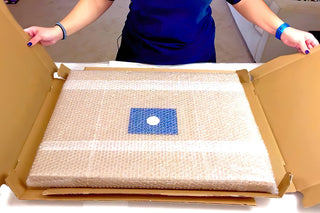
STEP 2 - SHIPPING
We ship your order. We send you an email to track the progress

STEP 3 - DELIVERY
You receive your order. You can also, according to your choice, be delivered to a relay point.
Matte finish
View from behind
Frame (optional)
In the vibrant world of art, some works stand out for their ability to capture moments of life, evoke emotions, and tell stories. "The Barber" by Marcellus Laroon the Younger proves to be one of these iconic pieces, a window into daily life in the 17th century. This artwork, both intimate and universal, immerses us in the atmosphere of a hairdressing salon, where the precise gestures of the barber and the lively exchanges of clients intertwine. The scene, imbued with realism, invites us to contemplate a bygone era while prompting reflection on the social and cultural dynamics that animate it.
Style and uniqueness of the art print
The style of Marcellus Laroon the Younger is characterized by an unparalleled mastery of detail and a particular attention to light. In "The Barber," every element is carefully arranged, from the barber’s tools to the expressions of the characters, creating a harmonious composition. The color palette, subtly chosen, evokes a warm and convivial atmosphere, while the interplay of shadows and light adds striking depth to the scene. Laroon manages to capture not only the appearance of the figures but also their essence, making each face unique and expressive. This ability to depict life with such authenticity makes this art print a true masterpiece of the genre.
The artist and his influence
Marcellus Laroon the Younger, born at the end of the 17th century, is an artist whose work profoundly influenced the artistic landscape of his time. Raised in a tradition where portraiture and genre scenes held a prominent place, Laroon succeeded in establishing himself thanks to his keen sense of observation and refined technique. Influenced by the great masters of his era, he developed a personal style that combines realism and sensitivity. His works, often imbued with subtle humor and delicate irony, reflect the customs and behaviors of society in his time. Thus, "The Barber" is not merely a static representation; it becomes a mirror of social life, a testament to the
12,34 €