
Painting The Austrian Hussar and His Horse - Julius von Blaas | Art print


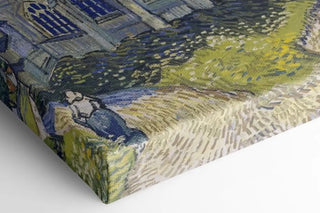
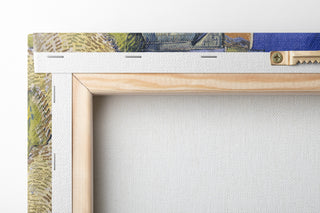
View from behind
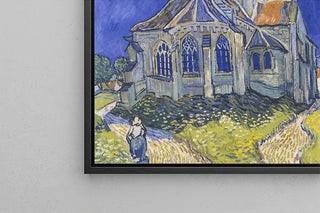
Frame (optional)
In the vibrant universe of art, certain works stand out for their ability to capture the essence of a period or a sentiment. "The Austrian Hussar and His Horse" by Julius von Blaas is one of those creations that, through its depth and realism, transports the viewer into a world where history and emotion meet. This painting, depicting a cavalryman in uniform, evokes not only the bravery of hussars but also the beauty and harmony between man and animal. The artist manages to make palpable the tension and serenity emanating from this scene, inviting the viewer to explore the subtleties of this relationship.
Style and uniqueness of the work
Julius von Blaas's style is characterized by meticulous attention to detail and a carefully chosen color palette. In "The Austrian Hussar and His Horse," the artist deploys striking realism, where every fold of the hussar's uniform and every shade of the horse's coat are rendered with remarkable precision. Light plays a crucial role in this piece, illuminating key elements while creating shadows that add depth. This mastery of light and shadow gives an almost three-dimensional dimension to the scene, allowing the viewer to feel the movement and vitality of the characters. The composition is balanced, with harmony between the rider and his mount, symbolizing a perfect union that transcends the simple relationship between man and animal.
The artist and his influence
Julius von Blaas, an Austrian painter of the 19th century, knew how to mark his era with his exceptional talent and commitment to realistic representation. Trained in the greatest art academies, he was influenced by the masters of the past while developing a personal style that blends tradition and innovation. His passion for military history and the daily life of soldiers is reflected in his works, where he carefully depicts uniforms, weapons, and mounts. Von Blaas also contributed to the rediscovery of historical and mythological themes, making him an essential figure in academic art. His influence
Painting The Austrian Hussar and His Horse - Julius von Blaas | Art print

-10% FROM €95 IN PURCHASES
-15% FROM €195 IN PURCHASES
Regular price
- Unit price
- per
Tax included.
Free shipping
€4.90 / Free shipping on orders over €39
Satisfied or Money Back
Free returns within 30 days
10-year warranty
Our prints are guaranteed for 10 years
Any questions? We are here!
by email to contact@artemlegrand.com
THE STEPS OF YOUR ORDER

STEP 1 - ORDER PLACED
Your order has been confirmed and we are starting production
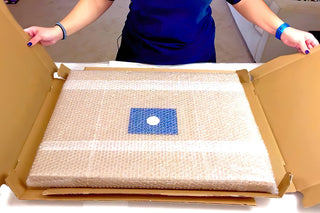
STEP 2 - SHIPPING
We ship your order. We send you an email to track the progress

STEP 3 - DELIVERY
You receive your order. You can also, according to your choice, be delivered to a relay point.
Matte finish
View from behind
Frame (optional)
In the vibrant universe of art, certain works stand out for their ability to capture the essence of a period or a sentiment. "The Austrian Hussar and His Horse" by Julius von Blaas is one of those creations that, through its depth and realism, transports the viewer into a world where history and emotion meet. This painting, depicting a cavalryman in uniform, evokes not only the bravery of hussars but also the beauty and harmony between man and animal. The artist manages to make palpable the tension and serenity emanating from this scene, inviting the viewer to explore the subtleties of this relationship.
Style and uniqueness of the work
Julius von Blaas's style is characterized by meticulous attention to detail and a carefully chosen color palette. In "The Austrian Hussar and His Horse," the artist deploys striking realism, where every fold of the hussar's uniform and every shade of the horse's coat are rendered with remarkable precision. Light plays a crucial role in this piece, illuminating key elements while creating shadows that add depth. This mastery of light and shadow gives an almost three-dimensional dimension to the scene, allowing the viewer to feel the movement and vitality of the characters. The composition is balanced, with harmony between the rider and his mount, symbolizing a perfect union that transcends the simple relationship between man and animal.
The artist and his influence
Julius von Blaas, an Austrian painter of the 19th century, knew how to mark his era with his exceptional talent and commitment to realistic representation. Trained in the greatest art academies, he was influenced by the masters of the past while developing a personal style that blends tradition and innovation. His passion for military history and the daily life of soldiers is reflected in his works, where he carefully depicts uniforms, weapons, and mounts. Von Blaas also contributed to the rediscovery of historical and mythological themes, making him an essential figure in academic art. His influence
12,34 €