
Painting La fille de l'artiste en costume de fantaisie - Laurits Tuxen | Art print


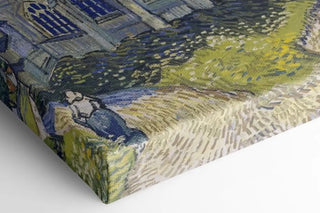
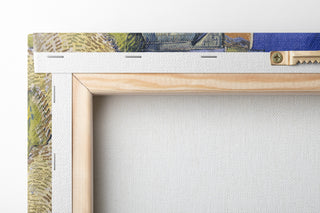
View from behind
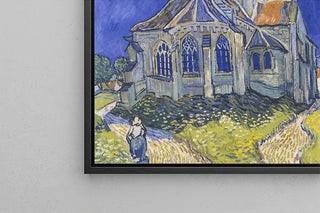
Frame (optional)
Captivating Introduction
In the fascinating universe of art, some works manage to capture the very essence of their era while transcending the limits of time. The art print of "La fille de l'artiste en costume de fantaisie" by Laurits Tuxen is a perfect example. Painted at the end of the 19th century, this piece reveals the sensitivity of a Danish artist whose view of the world is both intimate and universal. Through the portrait of his daughter, Tuxen invites us to explore a moment of tenderness and creativity, where childhood innocence blends with the magic of disguise. This piece thus becomes a reflection of the artistic aspirations of its time, touching the hearts of those who contemplate it.
Style and uniqueness of the work
Laurits Tuxen's style is distinguished by a delicate and refined approach, characterized by vibrant colors and subtle lighting. In "La fille de l'artiste en costume de fantaisie," he manages to marry realism and imagination, creating an atmosphere that is both playful and contemplative. The composition is skillfully orchestrated, highlighting the expressive face of the child while incorporating elements of her costume that evoke tales and legends. The choice of colors, oscillating between pastel shades and deeper nuances, gives the work a poetic dimension that captivates the eye. Every detail, from the fabric of the costume to the delicately painted accessories, testifies to the meticulous attention Tuxen paid to his subject. This piece thus becomes a true living tableau, where imagination and reality meet with grace.
The artist and his influence
Laurits Tuxen, born in 1853, was a painter whose artistic journey was closely linked to the Impressionist and Post-Impressionist movements. His talent was shaped by various influences, ranging from Danish masters to European artists of his time. Tuxen was able to capture the spirit of his era while developing a personal signature that is uniquely his own. His ability to paint portraits imbued with life and character earned him a
Painting La fille de l'artiste en costume de fantaisie - Laurits Tuxen | Art print

-10% FROM €95 IN PURCHASES
-15% FROM €195 IN PURCHASES
Regular price
- Unit price
- per
Tax included.
Free shipping
€4.90 / Free shipping on orders over €39
Satisfied or Money Back
Free returns within 30 days
10-year warranty
Our prints are guaranteed for 10 years
Any questions? We are here!
by email to contact@artemlegrand.com
THE STEPS OF YOUR ORDER

STEP 1 - ORDER PLACED
Your order has been confirmed and we are starting production
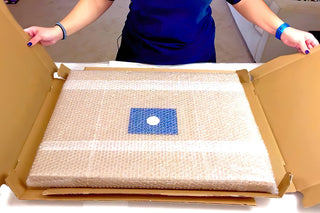
STEP 2 - SHIPPING
We ship your order. We send you an email to track the progress

STEP 3 - DELIVERY
You receive your order. You can also, according to your choice, be delivered to a relay point.
Matte finish
View from behind
Frame (optional)
Captivating Introduction
In the fascinating universe of art, some works manage to capture the very essence of their era while transcending the limits of time. The art print of "La fille de l'artiste en costume de fantaisie" by Laurits Tuxen is a perfect example. Painted at the end of the 19th century, this piece reveals the sensitivity of a Danish artist whose view of the world is both intimate and universal. Through the portrait of his daughter, Tuxen invites us to explore a moment of tenderness and creativity, where childhood innocence blends with the magic of disguise. This piece thus becomes a reflection of the artistic aspirations of its time, touching the hearts of those who contemplate it.
Style and uniqueness of the work
Laurits Tuxen's style is distinguished by a delicate and refined approach, characterized by vibrant colors and subtle lighting. In "La fille de l'artiste en costume de fantaisie," he manages to marry realism and imagination, creating an atmosphere that is both playful and contemplative. The composition is skillfully orchestrated, highlighting the expressive face of the child while incorporating elements of her costume that evoke tales and legends. The choice of colors, oscillating between pastel shades and deeper nuances, gives the work a poetic dimension that captivates the eye. Every detail, from the fabric of the costume to the delicately painted accessories, testifies to the meticulous attention Tuxen paid to his subject. This piece thus becomes a true living tableau, where imagination and reality meet with grace.
The artist and his influence
Laurits Tuxen, born in 1853, was a painter whose artistic journey was closely linked to the Impressionist and Post-Impressionist movements. His talent was shaped by various influences, ranging from Danish masters to European artists of his time. Tuxen was able to capture the spirit of his era while developing a personal signature that is uniquely his own. His ability to paint portraits imbued with life and character earned him a
12,34 €