
Painting The artist's daughter - Fritz von Uhde | Art print Source: Tableau La fille de l'artiste - Fritz von Uhde | Reproduction


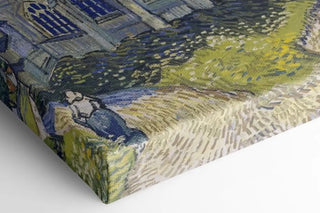
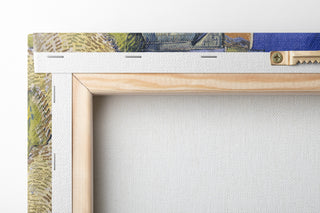
View from behind
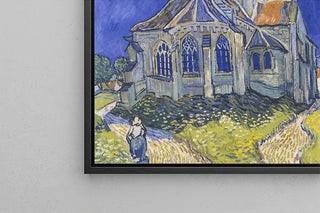
Frame (optional)
In the world of art, some works manage to capture the very essence of humanity, and "The Artist's Daughter" by Fritz von Uhde is a perfect example. This canvas, created at the end of the 19th century, evokes a deep intimacy between the artist and his model, revealing the subtleties of a family bond while exploring universal themes of childhood and creativity. The composition, imbued with tenderness, immerses us in a universe where the gaze of the child and that of the artist meet, creating an atmosphere that is both gentle and contemplative. The light, subtly manipulated, highlights the delicate features of the young girl, while the blurred background suggests a dreamlike space, almost ethereal.
Style and uniqueness of the work
Fritz von Uhde, master of genre painting, stands out for his unique approach that combines realism and impressionism. In "The Artist's Daughter," he manages to transcend simple representation to offer a poetic vision of everyday life. The vibrant colors and fluid brushstrokes breathe new life into the scene, emphasizing the softness of the faces and the warmth of the emotions. The artist skillfully plays with light, using delicate shadows to shape forms and create an intimate atmosphere. Every detail, from the sparkling gaze of the child to the texture of the clothing, is carefully studied, demonstrating undeniable technical mastery. This painting does not merely depict a frozen moment in time; it invites the viewer to feel an emotional connection, to question the story behind this innocent gaze.
The artist and his influence
Fritz von Uhde, born in 1848 in Germany, is an emblematic figure of his era, whose work has profoundly influenced the European artistic landscape. Influenced by impressionist currents, he managed to incorporate elements of this style while maintaining a strong narrative approach. His recurring themes, often centered on family life and human interactions, testify to a keen sensitivity to emotions and interpersonal relationships. With "The Artist's Daughter," it is not
Painting The artist's daughter - Fritz von Uhde | Art print Source: Tableau La fille de l'artiste - Fritz von Uhde | Reproduction

-10% FROM €95 IN PURCHASES
-15% FROM €195 IN PURCHASES
Regular price
- Unit price
- per
Tax included.
Free shipping
€4.90 / Free shipping on orders over €39
Satisfied or Money Back
Free returns within 30 days
10-year warranty
Our prints are guaranteed for 10 years
Any questions? We are here!
by email to contact@artemlegrand.com
THE STEPS OF YOUR ORDER
STEP 1 - ORDER PLACED
Your order has been confirmed and we are starting production
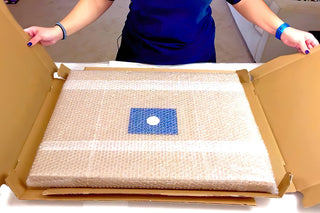
STEP 2 - SHIPPING
We ship your order. We send you an email to track the progress

STEP 3 - DELIVERY
You receive your order. You can also, according to your choice, be delivered to a relay point.
Matte finish
View from behind
Frame (optional)
In the world of art, some works manage to capture the very essence of humanity, and "The Artist's Daughter" by Fritz von Uhde is a perfect example. This canvas, created at the end of the 19th century, evokes a deep intimacy between the artist and his model, revealing the subtleties of a family bond while exploring universal themes of childhood and creativity. The composition, imbued with tenderness, immerses us in a universe where the gaze of the child and that of the artist meet, creating an atmosphere that is both gentle and contemplative. The light, subtly manipulated, highlights the delicate features of the young girl, while the blurred background suggests a dreamlike space, almost ethereal.
Style and uniqueness of the work
Fritz von Uhde, master of genre painting, stands out for his unique approach that combines realism and impressionism. In "The Artist's Daughter," he manages to transcend simple representation to offer a poetic vision of everyday life. The vibrant colors and fluid brushstrokes breathe new life into the scene, emphasizing the softness of the faces and the warmth of the emotions. The artist skillfully plays with light, using delicate shadows to shape forms and create an intimate atmosphere. Every detail, from the sparkling gaze of the child to the texture of the clothing, is carefully studied, demonstrating undeniable technical mastery. This painting does not merely depict a frozen moment in time; it invites the viewer to feel an emotional connection, to question the story behind this innocent gaze.
The artist and his influence
Fritz von Uhde, born in 1848 in Germany, is an emblematic figure of his era, whose work has profoundly influenced the European artistic landscape. Influenced by impressionist currents, he managed to incorporate elements of this style while maintaining a strong narrative approach. His recurring themes, often centered on family life and human interactions, testify to a keen sensitivity to emotions and interpersonal relationships. With "The Artist's Daughter," it is not
12,34 €