
Painting Temple Bar - Louise Rayner | Art print


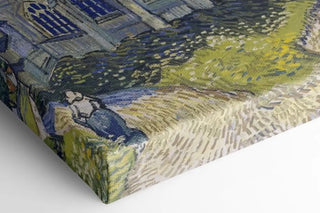
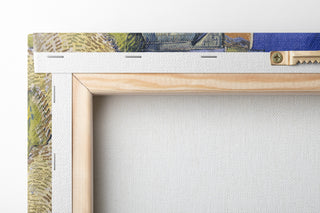
View from behind
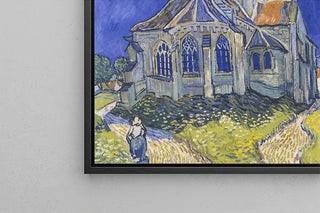
Frame (optional)
Reproduction Temple Bar - Louise Rayner – Engaging Introduction
Within the vast panorama of British art history, the "Temple Bar" art print by Louise Rayner stands out for its unmatched charm and its ability to transport viewers to a bygone era. This painting, which evokes the lively life of London at the end of the 19th century, is much more than a simple depiction of a monument. It is a true testament to daily life, human interactions, and the iconic architecture that shaped the city. Gazing at this work, one feels an intimate connection with the past, as if hearing the sounds of horses and horse-drawn carriages circulating around Temple Bar, a symbol of the city.
Style and uniqueness of the art print
Louise Rayner, with her keen eye for detail and mastery of colors, manages to capture the very essence of her era. Her style, both realistic and lively, allows the elements of the scene to come to life before the viewer’s eyes. The characters, dressed in period costumes, are depicted with such precision that they almost seem to emerge from the canvas. The play of light, delicate shadows, and the color palette chosen by Rayner add a depth that makes each viewing of the art print unique. The composition, while structured, leaves room for a certain spontaneity, as if the moment were frozen in a continuous dance of life and energy. This ability to immortalize movement and street animation makes "Temple Bar" a singular work, transcending the simple frame of painting to offer a true immersion into Victorian London.
The artist and her influence
Louise Rayner, born in 1832, managed to establish herself in an artistic world still largely dominated by men. Her career, marked by success, testifies to her determination and undeniable talent. She was influenced by the Pre-Raphaelite movement, which advocated a return to nature and particular attention to detail. Rayner was also inspired by urban landscapes and scenes of daily life, leading her to explore themes that still resonate today. Her ability to capture the soul of London and translate it onto canvas made her a pioneer in the field.
Painting Temple Bar - Louise Rayner | Art print

-10% FROM €95 IN PURCHASES
-15% FROM €195 IN PURCHASES
Regular price
- Unit price
- per
Tax included.
Free shipping
€4.90 / Free shipping on orders over €39
Satisfied or Money Back
Free returns within 30 days
10-year warranty
Our prints are guaranteed for 10 years
Any questions? We are here!
by email to contact@artemlegrand.com
THE STEPS OF YOUR ORDER
STEP 1 - ORDER PLACED
Your order has been confirmed and we are starting production
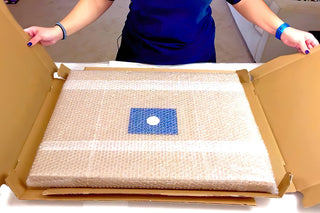
STEP 2 - SHIPPING
We ship your order. We send you an email to track the progress

STEP 3 - DELIVERY
You receive your order. You can also, according to your choice, be delivered to a relay point.
Matte finish
View from behind
Frame (optional)
Reproduction Temple Bar - Louise Rayner – Engaging Introduction
Within the vast panorama of British art history, the "Temple Bar" art print by Louise Rayner stands out for its unmatched charm and its ability to transport viewers to a bygone era. This painting, which evokes the lively life of London at the end of the 19th century, is much more than a simple depiction of a monument. It is a true testament to daily life, human interactions, and the iconic architecture that shaped the city. Gazing at this work, one feels an intimate connection with the past, as if hearing the sounds of horses and horse-drawn carriages circulating around Temple Bar, a symbol of the city.
Style and uniqueness of the art print
Louise Rayner, with her keen eye for detail and mastery of colors, manages to capture the very essence of her era. Her style, both realistic and lively, allows the elements of the scene to come to life before the viewer’s eyes. The characters, dressed in period costumes, are depicted with such precision that they almost seem to emerge from the canvas. The play of light, delicate shadows, and the color palette chosen by Rayner add a depth that makes each viewing of the art print unique. The composition, while structured, leaves room for a certain spontaneity, as if the moment were frozen in a continuous dance of life and energy. This ability to immortalize movement and street animation makes "Temple Bar" a singular work, transcending the simple frame of painting to offer a true immersion into Victorian London.
The artist and her influence
Louise Rayner, born in 1832, managed to establish herself in an artistic world still largely dominated by men. Her career, marked by success, testifies to her determination and undeniable talent. She was influenced by the Pre-Raphaelite movement, which advocated a return to nature and particular attention to detail. Rayner was also inspired by urban landscapes and scenes of daily life, leading her to explore themes that still resonate today. Her ability to capture the soul of London and translate it onto canvas made her a pioneer in the field.
12,34 €