
Art print Suricate Cercopithecini Cerco pithecus prasianus - Anselmus Botius de Boodt


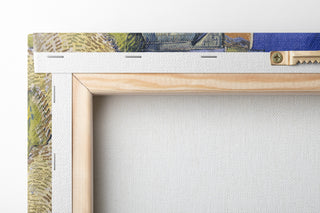
View from behind
Frame (optional)
Suricate Cercopithecini Cerco pithecus prasianus - Anselmus Botius de Boodt – Captivating introduction
In the vast panorama of art history, certain works stand out for their ability to capture the very essence of their subject. The art print Suricate Cercopithecini Cerco pithecus prasianus - Anselmus Botius de Boodt is a perfect example. This piece, created in the early 17th century, reflects an era when meticulous observation of nature and animals played a leading role in visual arts. Suricates, these small social mammals, are depicted here with precision and delicacy that invite the viewer to immerse themselves in their universe. The artist manages to transcend simple representation to offer a true window into the animal world, blending science and aesthetics with brilliance.
Style and uniqueness of the work
The uniqueness of this work lies in its realistic and detailed approach. Anselmus Botius de Boodt, naturalist and painter, is distinguished by his ability to marry scientific observation with a keen artistic sense. Each suricate is depicted with meticulous attention to detail: the texture of their fur, the expression of their gaze, and even the posture of their bodies are rendered with remarkable fidelity. This realism is enhanced by a carefully chosen color palette that evokes the natural nuances of the animal world. The balanced composition, where each element finds its place, also contributes to creating visual harmony, allowing the viewer to contemplate these creatures with renewed admiration. The art print is not just a simple animal portrait; it becomes a true homage to biodiversity and the beauty of nature.
The artist and his influence
Anselmus Botius de Boodt, born in Bruges in 1550, is an emblematic figure of the transition between Renaissance art and early Baroque. His work is marked by an insatiable curiosity for the natural world, influenced by the scientific discoveries of his time. As a naturalist, he contributed to the study of animals and plants, and his illustrations played a crucial role in understanding fauna and flora.
Art print Suricate Cercopithecini Cerco pithecus prasianus - Anselmus Botius de Boodt

-10% FROM €95 IN PURCHASES
-15% FROM €195 IN PURCHASES
Regular price
- Unit price
- per
Free shipping
€4.90 / Free shipping on orders over €39
Satisfied or Money Back
Free returns within 30 days
10-year warranty
Our prints are guaranteed for 10 years
Any questions? We are here!
by email to contact@artemlegrand.com
THE STEPS OF YOUR ORDER

STEP 1 - ORDER PLACED
Your order has been confirmed and we are starting production
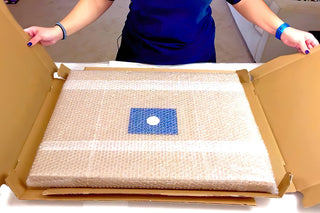
STEP 2 - SHIPPING
We ship your order. We send you an email to track the progress

STEP 3 - DELIVERY
You receive your order. You can also, according to your choice, be delivered to a relay point.
Matte finish
View from behind
Frame (optional)
Suricate Cercopithecini Cerco pithecus prasianus - Anselmus Botius de Boodt – Captivating introduction
In the vast panorama of art history, certain works stand out for their ability to capture the very essence of their subject. The art print Suricate Cercopithecini Cerco pithecus prasianus - Anselmus Botius de Boodt is a perfect example. This piece, created in the early 17th century, reflects an era when meticulous observation of nature and animals played a leading role in visual arts. Suricates, these small social mammals, are depicted here with precision and delicacy that invite the viewer to immerse themselves in their universe. The artist manages to transcend simple representation to offer a true window into the animal world, blending science and aesthetics with brilliance.
Style and uniqueness of the work
The uniqueness of this work lies in its realistic and detailed approach. Anselmus Botius de Boodt, naturalist and painter, is distinguished by his ability to marry scientific observation with a keen artistic sense. Each suricate is depicted with meticulous attention to detail: the texture of their fur, the expression of their gaze, and even the posture of their bodies are rendered with remarkable fidelity. This realism is enhanced by a carefully chosen color palette that evokes the natural nuances of the animal world. The balanced composition, where each element finds its place, also contributes to creating visual harmony, allowing the viewer to contemplate these creatures with renewed admiration. The art print is not just a simple animal portrait; it becomes a true homage to biodiversity and the beauty of nature.
The artist and his influence
Anselmus Botius de Boodt, born in Bruges in 1550, is an emblematic figure of the transition between Renaissance art and early Baroque. His work is marked by an insatiable curiosity for the natural world, influenced by the scientific discoveries of his time. As a naturalist, he contributed to the study of animals and plants, and his illustrations played a crucial role in understanding fauna and flora.