
Art print Study for the central figure of the painting The Procession - Étienne Dinet | Art print


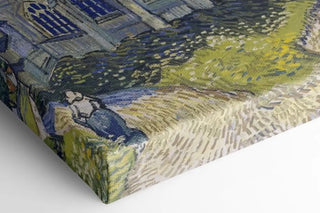
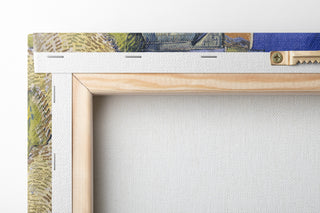
View from behind
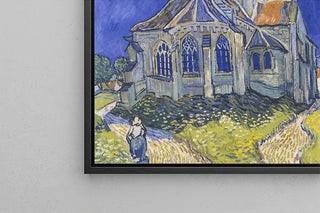
Frame (optional)
Captivating Introduction
In the fascinating world of art, some works stand out for their ability to capture the essence of an era and evoke deep emotions. "Art print for the central figure of the painting The Procession - Étienne Dinet" is a perfect example. This piece, although preparatory, offers a valuable glimpse into Dinet's artistic vision, a painter who masterfully blended tradition and modernity. Through this study, viewers are invited to immerse themselves in a world where spirituality and Algerian culture intersect, revealing the richness of an artistic tradition still too little known.
Style and uniqueness of the work
The work is characterized by a vibrant color palette and a dynamic composition that immediately draws the eye. Dinet, as an artist, has always strived to depict the beauty of everyday scenes, and this study is no exception. The human figures are rendered with remarkable delicacy, each line reflecting meticulous attention to detail. Light plays a crucial role in the composition, creating shadows that add depth and movement. This stylistic choice contributes to an almost palpable atmosphere, where the viewer can feel the warmth of the Algerian sun and hear the whispers of the procession. The way Dinet captures the harmony between the figures and their environment demonstrates his unparalleled talent, making this work a true celebration of life.
The artist and his influence
Étienne Dinet, a French painter of the early 20th century, is often regarded as one of the pioneers of Orientalist art. His fascination with Algeria, a country he adopted, is reflected in his works, which skillfully blend Western influences with local traditions. Dinet immersed himself in Algerian culture, allowing him to create authentic and meaningful pieces. His unique approach paved the way for a better understanding of the social and cultural realities of the time. Through "Art print for the central figure of the painting The Procession," he does not merely depict a scene; he tells a story, that of a community, its rites, and its beliefs. His legacy
Art print Study for the central figure of the painting The Procession - Étienne Dinet | Art print

-10% FROM €95 IN PURCHASES
-15% FROM €195 IN PURCHASES
Regular price
- Unit price
- by
Free shipping
€4.90 / Free shipping on orders over €39
Satisfied or Money Back
Free returns within 30 days
10-year warranty
Our prints are guaranteed for 10 years
Any questions? We are here!
by email to contact@artemlegrand.com
THE STEPS OF YOUR ORDER
STEP 1 - ORDER PLACED
Your order has been confirmed and we are starting production
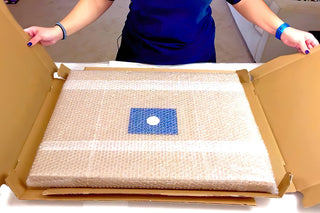
STEP 2 - SHIPPING
We ship your order. We send you an email to track the progress

STEP 3 - DELIVERY
You receive your order. You can also, according to your choice, be delivered to a relay point.
Matte finish
View from behind
Frame (optional)
Captivating Introduction
In the fascinating world of art, some works stand out for their ability to capture the essence of an era and evoke deep emotions. "Art print for the central figure of the painting The Procession - Étienne Dinet" is a perfect example. This piece, although preparatory, offers a valuable glimpse into Dinet's artistic vision, a painter who masterfully blended tradition and modernity. Through this study, viewers are invited to immerse themselves in a world where spirituality and Algerian culture intersect, revealing the richness of an artistic tradition still too little known.
Style and uniqueness of the work
The work is characterized by a vibrant color palette and a dynamic composition that immediately draws the eye. Dinet, as an artist, has always strived to depict the beauty of everyday scenes, and this study is no exception. The human figures are rendered with remarkable delicacy, each line reflecting meticulous attention to detail. Light plays a crucial role in the composition, creating shadows that add depth and movement. This stylistic choice contributes to an almost palpable atmosphere, where the viewer can feel the warmth of the Algerian sun and hear the whispers of the procession. The way Dinet captures the harmony between the figures and their environment demonstrates his unparalleled talent, making this work a true celebration of life.
The artist and his influence
Étienne Dinet, a French painter of the early 20th century, is often regarded as one of the pioneers of Orientalist art. His fascination with Algeria, a country he adopted, is reflected in his works, which skillfully blend Western influences with local traditions. Dinet immersed himself in Algerian culture, allowing him to create authentic and meaningful pieces. His unique approach paved the way for a better understanding of the social and cultural realities of the time. Through "Art print for the central figure of the painting The Procession," he does not merely depict a scene; he tells a story, that of a community, its rites, and its beliefs. His legacy