
Painting Study for a Battle Scene - Hendrik Scheffer | Art print


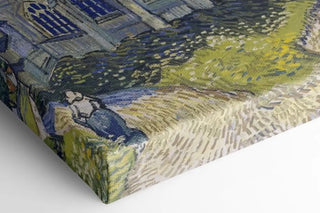
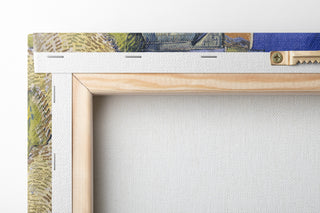
View from behind
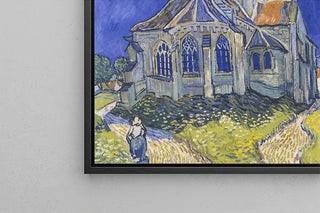
Frame (optional)
In the vast panorama of 19th-century art, the art print "Étude pour une scène de bataille" by Hendrik Scheffer stands out for its ability to capture the tumultuous essence of conflict while revealing a profound artistic sensitivity. This piece, both dynamic and contemplative, evokes powerful emotions and invites the viewer to immerse themselves in a universe where tension and beauty coexist. Beyond the simple depiction of a battle, Scheffer manages to transcend the subject to offer a reflection on humanity, bravery, and the tragedies inherent in war. The art print of this work thus brings a touch of history and culture to any space, awakening curiosity and admiration in those who observe it.
Style and uniqueness of the work
Scheffer's work is characterized by an exceptional mastery of movement and light. In "Étude pour une scène de bataille," the human figures, although sometimes rooted in fierce struggle, are rendered with an elegance and grace that defy the brutality of the subject. The colors, carefully chosen, oscillate between dark tones and luminous highlights, creating a striking contrast that draws the eye and guides the viewer's attention. The meticulous details of armor, facial expressions, and postures of the fighters reveal a deep understanding of anatomy and human drama. This art print is not merely an illustration of a scene of war but an exploration of human emotions, internal struggles, and external conflicts. The composition, both complex and harmonious, demonstrates Scheffer's talent for balancing the chaotic energy of battle with refined aesthetics.
The artist and his influence
Hendrik Scheffer, born in 1798, is an emblematic figure of 19th-century Dutch art. His artistic journey, marked by diverse influences ranging from neoclassicism to romanticism, allowed him to develop a personal style that combines realism and idealization. Scheffer was deeply inspired by the great masters of historical painting, but he knew how to infuse modernity into his works by integrating narrative elements that speak to the
Painting Study for a Battle Scene - Hendrik Scheffer | Art print

-10% FROM €95 IN PURCHASES
-15% FROM €195 IN PURCHASES
Regular price
- Unit price
- per
Tax included.
Free shipping
€4.90 / Free shipping on orders over €39
Satisfied or Money Back
Free returns within 30 days
10-year warranty
Our prints are guaranteed for 10 years
Any questions? We are here!
by email to contact@artemlegrand.com
THE STEPS OF YOUR ORDER

STEP 1 - ORDER PLACED
Your order has been confirmed and we are starting production
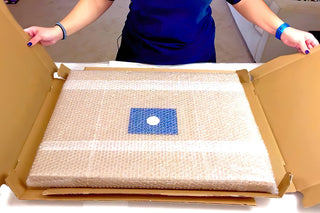
STEP 2 - SHIPPING
We ship your order. We send you an email to track the progress

STEP 3 - DELIVERY
You receive your order. You can also, according to your choice, be delivered to a relay point.
Matte finish
View from behind
Frame (optional)
In the vast panorama of 19th-century art, the art print "Étude pour une scène de bataille" by Hendrik Scheffer stands out for its ability to capture the tumultuous essence of conflict while revealing a profound artistic sensitivity. This piece, both dynamic and contemplative, evokes powerful emotions and invites the viewer to immerse themselves in a universe where tension and beauty coexist. Beyond the simple depiction of a battle, Scheffer manages to transcend the subject to offer a reflection on humanity, bravery, and the tragedies inherent in war. The art print of this work thus brings a touch of history and culture to any space, awakening curiosity and admiration in those who observe it.
Style and uniqueness of the work
Scheffer's work is characterized by an exceptional mastery of movement and light. In "Étude pour une scène de bataille," the human figures, although sometimes rooted in fierce struggle, are rendered with an elegance and grace that defy the brutality of the subject. The colors, carefully chosen, oscillate between dark tones and luminous highlights, creating a striking contrast that draws the eye and guides the viewer's attention. The meticulous details of armor, facial expressions, and postures of the fighters reveal a deep understanding of anatomy and human drama. This art print is not merely an illustration of a scene of war but an exploration of human emotions, internal struggles, and external conflicts. The composition, both complex and harmonious, demonstrates Scheffer's talent for balancing the chaotic energy of battle with refined aesthetics.
The artist and his influence
Hendrik Scheffer, born in 1798, is an emblematic figure of 19th-century Dutch art. His artistic journey, marked by diverse influences ranging from neoclassicism to romanticism, allowed him to develop a personal style that combines realism and idealization. Scheffer was deeply inspired by the great masters of historical painting, but he knew how to infuse modernity into his works by integrating narrative elements that speak to the
12,34 €