
Painting Studies on the Fanners - Robert Hills | Art print Source: Tableau Études sur les faneurs - Robert Hills | Reproduction


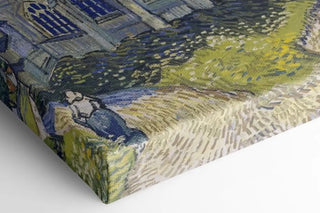
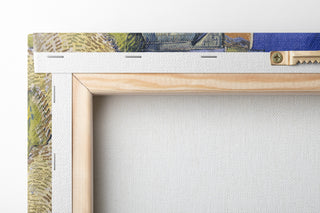
View from behind
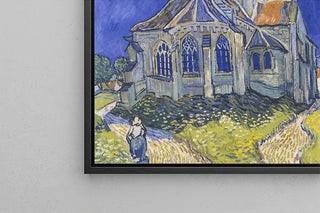
Frame (optional)
Robert Hills' artwork "Studies on the Fanners" is an invitation to immerse oneself in the pastoral world of the 19th century, where nature and humans coexist harmoniously. Through this delicate depiction, Hills manages to capture the very essence of rural life, offering an introspective look at the work of fanners. The characters, caught in their daily activities, testify to a time when the rhythm of life was closely tied to the seasons and natural cycles. This piece transports us, awakening a nostalgia for bygone eras, while celebrating the beauty of simple and authentic gestures.
Style and uniqueness of the work
Robert Hills' style is distinguished by its finesse and attention to detail. In "Studies on the Fanners," each brushstroke seems to tell a story, with shadows and light intertwining to create an atmosphere that is both peaceful and dynamic. The colors, carefully chosen, evoke the warmth of the sun on the fields and the freshness of spring breezes. Hills masters the art of composition, positioning his characters to guide the viewer’s gaze across the painting. The use of natural light, which caresses the faces of the fanners, reveals not only their labor but also their humanity. This piece is a true ode to the simplicity of everyday life, where every element, from hay to tools, is imbued with meaning.
The artist and his influence
Robert Hills, born in 1769, made a notable place for himself among the great masters of his time. Influenced by the Romantic movement, he combined acute sensitivity to nature with poignant realism. His training at the Royal Academy and his travels across England allowed him to develop a unique style that sets him apart from his contemporaries. Hills captured the spirit of his era while anticipating future artistic currents. His work, although rooted in the past, still resonates today, inspiring many artists and art enthusiasts. "Studies on the Fanners" is no exception, as it continues to evoke emotions and provoke reflections on our relationship to
Painting Studies on the Fanners - Robert Hills | Art print Source: Tableau Études sur les faneurs - Robert Hills | Reproduction

-10% FROM €95 IN PURCHASES
-15% FROM €195 IN PURCHASES
Regular price
- Unit price
- per
Tax included.
Free shipping
€4.90 / Free shipping on orders over €39
Satisfied or Money Back
Free returns within 30 days
10-year warranty
Our prints are guaranteed for 10 years
Any questions? We are here!
by email to contact@artemlegrand.com
THE STEPS OF YOUR ORDER

STEP 1 - ORDER PLACED
Your order has been confirmed and we are starting production
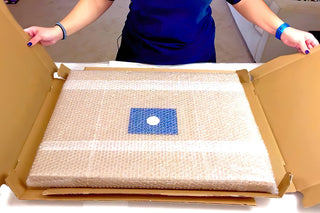
STEP 2 - SHIPPING
We ship your order. We send you an email to track the progress

STEP 3 - DELIVERY
You receive your order. You can also, according to your choice, be delivered to a relay point.
Matte finish
View from behind
Frame (optional)
Robert Hills' artwork "Studies on the Fanners" is an invitation to immerse oneself in the pastoral world of the 19th century, where nature and humans coexist harmoniously. Through this delicate depiction, Hills manages to capture the very essence of rural life, offering an introspective look at the work of fanners. The characters, caught in their daily activities, testify to a time when the rhythm of life was closely tied to the seasons and natural cycles. This piece transports us, awakening a nostalgia for bygone eras, while celebrating the beauty of simple and authentic gestures.
Style and uniqueness of the work
Robert Hills' style is distinguished by its finesse and attention to detail. In "Studies on the Fanners," each brushstroke seems to tell a story, with shadows and light intertwining to create an atmosphere that is both peaceful and dynamic. The colors, carefully chosen, evoke the warmth of the sun on the fields and the freshness of spring breezes. Hills masters the art of composition, positioning his characters to guide the viewer’s gaze across the painting. The use of natural light, which caresses the faces of the fanners, reveals not only their labor but also their humanity. This piece is a true ode to the simplicity of everyday life, where every element, from hay to tools, is imbued with meaning.
The artist and his influence
Robert Hills, born in 1769, made a notable place for himself among the great masters of his time. Influenced by the Romantic movement, he combined acute sensitivity to nature with poignant realism. His training at the Royal Academy and his travels across England allowed him to develop a unique style that sets him apart from his contemporaries. Hills captured the spirit of his era while anticipating future artistic currents. His work, although rooted in the past, still resonates today, inspiring many artists and art enthusiasts. "Studies on the Fanners" is no exception, as it continues to evoke emotions and provoke reflections on our relationship to
12,34 €