
Painting Studies in Nine Figures - Henri Gaudier-Brzeska | Art print


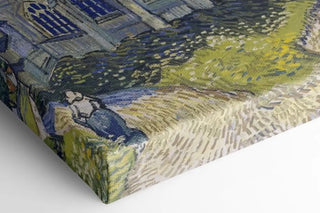
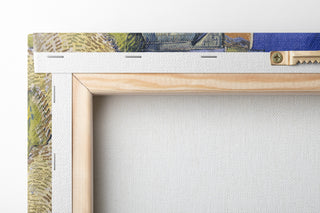
View from behind
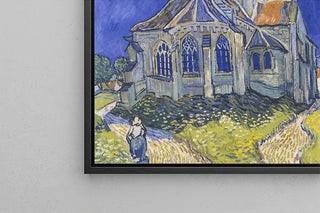
Frame (optional)
Reproduction of "Études à neuf figures" by Henri Gaudier-Brzeska – Captivating introduction
The artwork "Études à neuf figures" by Henri Gaudier-Brzeska is a true ode to vitality and the energy of the human body. This piece, created in the early 20th century, reflects an era when art was liberating itself from academic conventions to explore new forms of expression. Gaudier-Brzeska, a sculptor and draftsman of French origin, masterfully captured the dynamism of movement through his studies, revealing a unique sensitivity to both form and structure. In this work, each figure seems to vibrate with its own life, as if the artist had grasped the very essence of his subjects, transcending mere representation to reach an almost spiritual dimension.
Style and uniqueness of the work
The style of "Études à neuf figures" is characterized by a harmonious fusion of abstraction and figuration. The flowing lines and bold contours demonstrate a deep commitment to Cubism, while also showing admiration for ancient sculptures. Each figure, though stylized, retains a certain humanity, a palpable connection with the viewer. The artist skillfully plays with shadows and lights, creating volumes that bring his characters to life. The composition, both balanced and dynamic, invites prolonged contemplation, allowing viewers to discover the subtleties of each pose. It is within this interaction between form and emptiness that Gaudier-Brzeska manages to establish a dialogue between the artwork and its audience, making each gaze a unique and immersive experience.
The artist and his influence
Henri Gaudier-Brzeska, an emblematic figure of the avant-garde movement, left a significant mark on his era through an innovative and daring approach. Born in 1891, he quickly gained notoriety thanks to his exceptional talent and artistic vision. Influenced by various currents such as Fauvism and Cubism, he developed a style that was uniquely his own, blending tradition and modernity. His involvement in the London art scene of the 1910s allowed him to associate with renowned artists and exchange ideas that would enrich his practice. Unfortunately, his career was tragically cut short by World War I, but his
Painting Studies in Nine Figures - Henri Gaudier-Brzeska | Art print

-10% FROM €95 IN PURCHASES
-15% FROM €195 IN PURCHASES
Regular price
- Unit price
- per
Tax included.
Free shipping
€4.90 / Free shipping on orders over €39
Satisfied or Money Back
Free returns within 30 days
10-year warranty
Our prints are guaranteed for 10 years
Any questions? We are here!
by email to contact@artemlegrand.com
THE STEPS OF YOUR ORDER

STEP 1 - ORDER PLACED
Your order has been confirmed and we are starting production
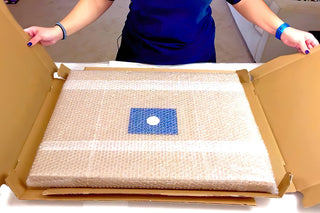
STEP 2 - SHIPPING
We ship your order. We send you an email to track the progress

STEP 3 - DELIVERY
You receive your order. You can also, according to your choice, be delivered to a relay point.
Matte finish
View from behind
Frame (optional)
Reproduction of "Études à neuf figures" by Henri Gaudier-Brzeska – Captivating introduction
The artwork "Études à neuf figures" by Henri Gaudier-Brzeska is a true ode to vitality and the energy of the human body. This piece, created in the early 20th century, reflects an era when art was liberating itself from academic conventions to explore new forms of expression. Gaudier-Brzeska, a sculptor and draftsman of French origin, masterfully captured the dynamism of movement through his studies, revealing a unique sensitivity to both form and structure. In this work, each figure seems to vibrate with its own life, as if the artist had grasped the very essence of his subjects, transcending mere representation to reach an almost spiritual dimension.
Style and uniqueness of the work
The style of "Études à neuf figures" is characterized by a harmonious fusion of abstraction and figuration. The flowing lines and bold contours demonstrate a deep commitment to Cubism, while also showing admiration for ancient sculptures. Each figure, though stylized, retains a certain humanity, a palpable connection with the viewer. The artist skillfully plays with shadows and lights, creating volumes that bring his characters to life. The composition, both balanced and dynamic, invites prolonged contemplation, allowing viewers to discover the subtleties of each pose. It is within this interaction between form and emptiness that Gaudier-Brzeska manages to establish a dialogue between the artwork and its audience, making each gaze a unique and immersive experience.
The artist and his influence
Henri Gaudier-Brzeska, an emblematic figure of the avant-garde movement, left a significant mark on his era through an innovative and daring approach. Born in 1891, he quickly gained notoriety thanks to his exceptional talent and artistic vision. Influenced by various currents such as Fauvism and Cubism, he developed a style that was uniquely his own, blending tradition and modernity. His involvement in the London art scene of the 1910s allowed him to associate with renowned artists and exchange ideas that would enrich his practice. Unfortunately, his career was tragically cut short by World War I, but his
12,34 €