
Art print Studies of figures for the painting The Flight of the Tartars - Józef Brandt | Art print


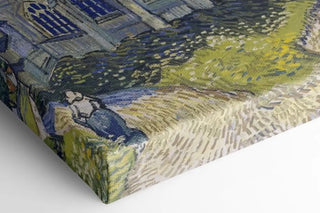
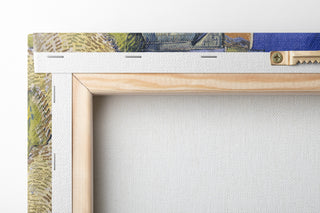
View from behind
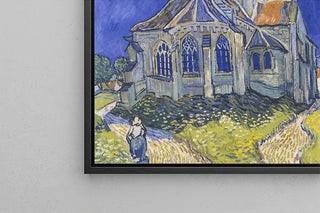
Frame (optional)
The artwork "Studies of figures for the painting The Flight of the Tartars" by Józef Brandt stands as a captivating testament to the narrative and visual richness of 19th-century painting. This art print, imbued with the elegance and complexity of Brandt's style, invites viewers to immerse themselves in a world where history and art converge. By capturing the essence of a historic moment, the artist succeeds in evoking deep emotions and encouraging reflection on the past, while offering an artistic vision that transcends time. The figures that populate this piece are much more than mere characters; they are symbols of an era, witnesses to a story in motion.
Style and uniqueness of the work
The uniqueness of this art print lies in how Brandt manages to blend realism and romanticism. Each figure, carefully sketched, demonstrates impressive technical mastery, where movement and expression are captured with almost photographic precision. The drapery, postures, and faces of the characters are rendered with such finesse that they seem to vibrate with a life of their own. The color palette, rich and nuanced, helps create a dramatic atmosphere, conducive to immersion in the narrative. By choosing to depict a moment of tension and escape, Brandt captures the very essence of humanity in the face of adversity, transforming every detail into a powerful narrative element.
The artist and his influence
Józef Brandt, an emblematic figure of Polish art, established himself as a master of the historical genre. His career, marked by travels across Europe, allowed him to incorporate various artistic currents while maintaining his unique identity. Influenced by artists such as the Romantic Eugène Delacroix and the Realist Gustave Courbet, Brandt developed a style that is his own, blending emotional expression with formal rigor. His work is not limited to a simple depiction of historical facts; it invites deeper reflection on the human condition, struggle, and resilience. Thus, he has not only contributed
Art print Studies of figures for the painting The Flight of the Tartars - Józef Brandt | Art print

-10% FROM €95 IN PURCHASES
-15% FROM €195 IN PURCHASES
Regular price
- Unit price
- per
Tax included.
Free shipping
€4.90 / Free shipping on orders over €39
Satisfied or Money Back
Free returns within 30 days
10-year warranty
Our prints are guaranteed for 10 years
Any questions? We are here!
by email to contact@artemlegrand.com
THE STEPS OF YOUR ORDER

STEP 1 - ORDER PLACED
Your order has been confirmed and we are starting production
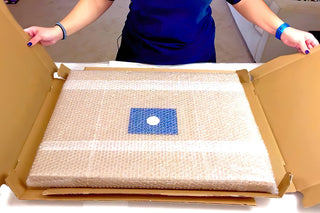
STEP 2 - SHIPPING
We ship your order. We send you an email to track the progress

STEP 3 - DELIVERY
You receive your order. You can also, according to your choice, be delivered to a relay point.
Matte finish
View from behind
Frame (optional)
The artwork "Studies of figures for the painting The Flight of the Tartars" by Józef Brandt stands as a captivating testament to the narrative and visual richness of 19th-century painting. This art print, imbued with the elegance and complexity of Brandt's style, invites viewers to immerse themselves in a world where history and art converge. By capturing the essence of a historic moment, the artist succeeds in evoking deep emotions and encouraging reflection on the past, while offering an artistic vision that transcends time. The figures that populate this piece are much more than mere characters; they are symbols of an era, witnesses to a story in motion.
Style and uniqueness of the work
The uniqueness of this art print lies in how Brandt manages to blend realism and romanticism. Each figure, carefully sketched, demonstrates impressive technical mastery, where movement and expression are captured with almost photographic precision. The drapery, postures, and faces of the characters are rendered with such finesse that they seem to vibrate with a life of their own. The color palette, rich and nuanced, helps create a dramatic atmosphere, conducive to immersion in the narrative. By choosing to depict a moment of tension and escape, Brandt captures the very essence of humanity in the face of adversity, transforming every detail into a powerful narrative element.
The artist and his influence
Józef Brandt, an emblematic figure of Polish art, established himself as a master of the historical genre. His career, marked by travels across Europe, allowed him to incorporate various artistic currents while maintaining his unique identity. Influenced by artists such as the Romantic Eugène Delacroix and the Realist Gustave Courbet, Brandt developed a style that is his own, blending emotional expression with formal rigor. His work is not limited to a simple depiction of historical facts; it invites deeper reflection on the human condition, struggle, and resilience. Thus, he has not only contributed
12,34 €